Print Media with AR: Benefits and Applications
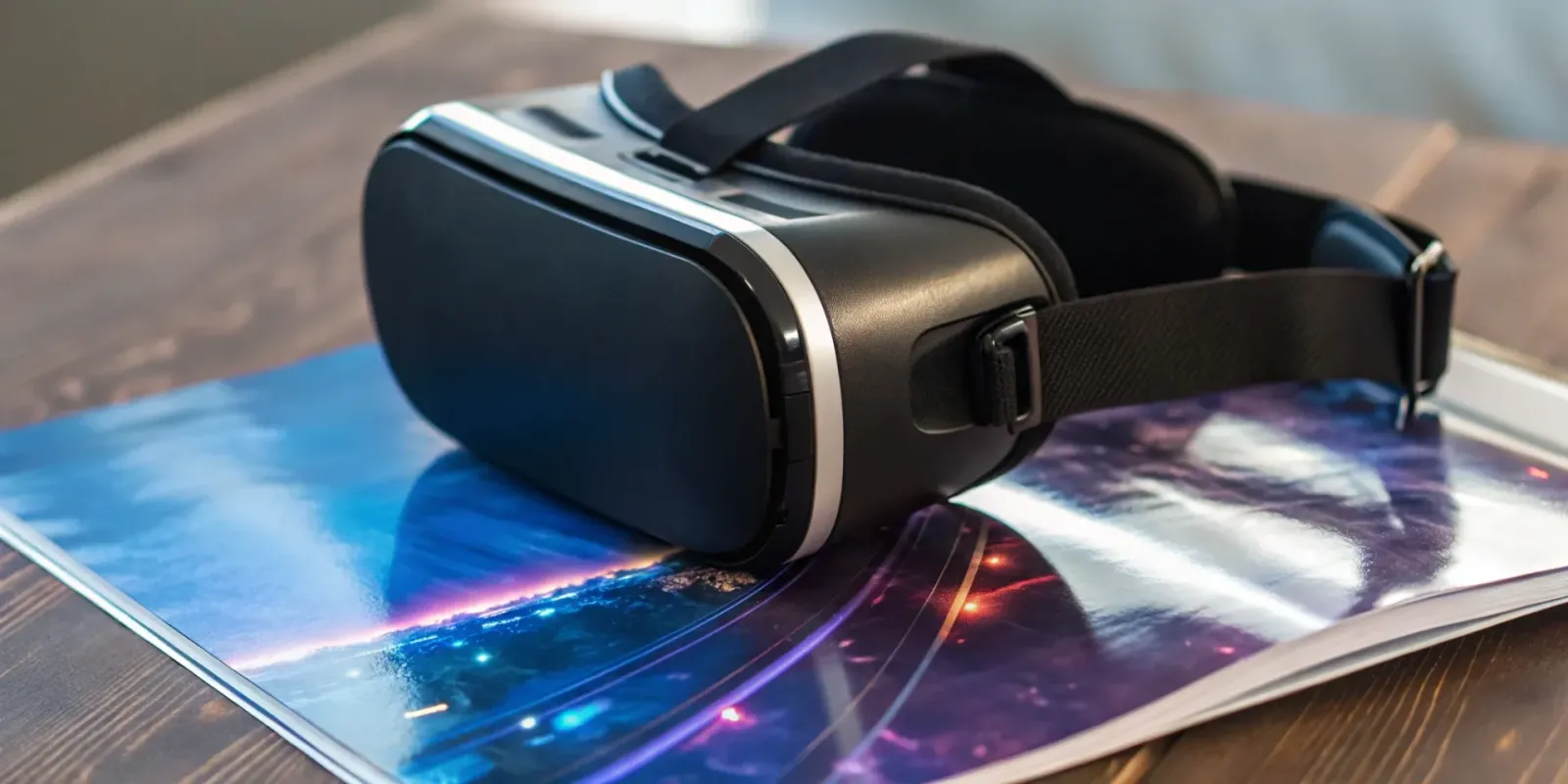
Let's be honest: traditional print can sometimes feel a little one-dimensional, and proving its impact can be a real challenge. You send out a beautiful brochure or a clever mailer, but then what? You're left wondering if it truly connected with anyone. This is where augmented reality for print media changes the game. It turns your static pages into interactive experiences that you can actually measure. Instead of just hoping for the best, you can track how many people scanned your content, how long they engaged with it, and what actions they took next. It's a powerful way to breathe new life into your physical materials.
Key Takeaways
- Connect your physical and digital worlds: Use augmented reality to turn static print materials like business cards, packaging, and flyers into interactive gateways for videos, 3D models, and direct shopping links.
- You don't need to be a developer to start: Modern tools like IRCODE make it simple to create scannable experiences by turning your existing images into triggers, allowing you to link digital content in just a few steps.
- Measure the impact of your print materials: AR provides clear data on how your audience interacts with your content, letting you track engagement, see what resonates, and understand the real-world performance of your campaigns.
What is Augmented Reality in Print?
Have you ever wished a picture in a magazine could turn into a video, or that a business card could link you directly to a portfolio? That's the magic of augmented reality (AR) in print. At its core, AR in print media merges digital content with physical printed matter like brochures, posters, packaging, and books. It creates a bridge between the static, tangible world and the dynamic, digital one.
Imagine a reader scanning a recipe in a cookbook with their phone. Instantly, a video tutorial showing how to prepare the dish plays right on top of the page. Or picture a potential customer scanning a product in your catalog and seeing a 3D model of it appear on their coffee table, which they can rotate and view from every angle. This technology transforms passive reading into an active, immersive experience. It gives you a powerful new way to tell stories, share information, and connect with your audience by making your printed materials come alive.
What is AR Technology?
So, what exactly is the tech behind this? Augmented Reality adds computer-generated layers—like images, videos, sounds, or text—onto your view of the real world. It enhances your current reality rather than creating a new one. This is the key difference between AR and Virtual Reality (VR). While VR immerses you in a completely digital environment (think wearing a headset to enter a new world), AR keeps you grounded in your physical space and simply overlays digital information on top of it. It's about mixing the digital with the physical to make your interactions richer and more informative.
How Print and Digital Come Together
AR doesn't aim to replace print; it gives it a massive upgrade. For years, people have talked about the decline of print, but AR breathes new life into it. It helps print media become more exciting and interactive by connecting the physical page to the endless possibilities of the digital world. A simple flyer can now launch a full-blown product demonstration, and a wedding invitation can feature a personal video message from the couple. This fusion allows you to offer deeper content, create memorable moments, and give your audience a reason to spend more time with your printed materials.
What You Need to Get Started
Getting started with AR might sound intimidating, but it's more accessible than ever. The first step is to think about what you want your audience to experience. Do you want to show a video, link to a website, or display a 3D object? Once you have a goal, you'll need the right AR platforms and tools to create your experience. Platforms like IRCODE allow you to turn any image into a scannable trigger. This means the image itself becomes the code, launching your digital content when a user scans it with their device. You don't need a background in coding, just a great idea.
Why Use AR in Your Print Materials?
Create Deeper Reader Engagement
Let's be honest: static print can sometimes feel a little one-dimensional. Augmented reality changes that by turning passive readers into active participants. Instead of just looking at a page, your audience can interact with it. Imagine a magazine article where readers can scan an image to watch a behind-the-scenes video, or a textbook where a diagram comes to life as a 3D model. This approach makes print media more engaging by blending the physical and digital worlds. It's a powerful way to capture attention and create a memorable experience that goes far beyond the printed word, making your content stick with your audience long after they've put the page down.
Get Measurable Marketing Results
One of the biggest challenges with traditional print marketing is tracking its effectiveness. How do you know if anyone actually read your flyer or paid attention to your ad? AR provides a clear answer. By adding a scannable experience, you can measure engagement quality, not just distribution numbers. You can track key metrics like how many people scanned your content (engagement rate), how long they interacted with it (dwell time), and whether they took a desired action, like visiting your website or making a purchase (conversion rate). This data gives you concrete proof of your campaign's performance and helps you understand what truly resonates with your audience.
Extend the Life of Your Content
Print materials often have a limited shelf life, but AR can give them a dynamic, lasting presence. By linking your physical content to a digital experience, you can update it without needing a reprint. For example, a restaurant menu could link to a video showcasing weekly specials, or a business brochure could connect to the latest case studies on your website. This not only keeps your information current but also makes print exciting again, especially for younger audiences who expect interactive content. AR helps your print media become relevant and popular by making it an immersive gateway to ever-evolving digital information, ensuring your investment continues to provide value over time.
Add Interactive Shopping Experiences
AR is a game-changer for retail and ecommerce, effectively closing the gap between browsing and buying. It allows customers to visualize products in their own space before making a purchase. Think of companies like IKEA, which lets you see how furniture would look in your living room by scanning its catalog. This "try before you buy" experience builds confidence and reduces purchase anxiety. You can apply this to almost any product—from trying on a watch virtually to seeing how a piece of art looks on your wall. By making your print materials shoppable, you create a seamless path from inspiration to purchase, directly from the page.
Gather Valuable Customer Insights
Beyond just tracking campaign metrics, AR allows you to learn so much more about your audience's behavior and preferences. When someone scans your print material, you can see exactly what they chose to interact with. Did they scan the product image or the founder's bio? Did they watch the whole video or click away after a few seconds? This kind of feedback is incredibly valuable. By tracking how users interact, you gather data that can inform your future content and product strategies. It's like having a direct line to what your customers find most interesting, helping you create more effective and targeted materials in the future.
How Does AR Actually Work with Print?
So, how does a flat, static image on a page suddenly spring to life on a screen? It's not magic—it's a straightforward and powerful process that connects your physical print materials to dynamic digital experiences. Think of it as building a bridge between two worlds. Your printed item holds the map, and your audience's smartphone is the vehicle that lets them cross over.
At its core, AR technology uses a device's camera to recognize a specific image or pattern. Once it identifies this "trigger," it overlays a pre-designed digital layer of content onto the screen, making it look like the digital content exists in the real world. This creates a seamless and surprising experience that grabs attention and invites your audience to play, learn, or shop directly from the page. Let's break down exactly how each piece of this puzzle fits together.
Using Images as Triggers
Every AR experience starts with a trigger. In the world of print, the trigger is simply a specific image you've chosen—it could be a photo in a magazine, a logo on a business card, or an illustration on product packaging. When someone points their smartphone or tablet at your printed material, an app uses the device's camera to recognize that specific image. This process is similar to scanning a QR code, but far more elegant because the image itself is the key. An app reads a hidden trigger and instantly knows which digital experience to launch, making your visuals the gateway to more content.
Overlaying Your Digital Content
Once the trigger image is recognized, the fun begins. The app immediately overlays your digital content onto the user's screen, creating the illusion that it's part of the physical environment. This is the "augmented" part of augmented reality. You can mix digital content like videos, animations, interactive buttons, or 3D models with your physical print items. For example, a recipe in a cookbook could trigger a video of the chef preparing the dish, or a furniture catalog could allow a customer to view a 3D model of a sofa right in their living room. This digital layer is what transforms a static page into a rich, multi-sensory experience.
How Your Audience Interacts
AR completely changes the way people interact with print. Instead of passively flipping through pages, your audience becomes an active participant. It turns reading into an active experience, encouraging them to explore, discover, and engage with your content on a deeper level. Imagine a reader pointing their phone at a concert poster and being able to buy tickets instantly, or a child pointing their tablet at a storybook to see the characters animate and talk. This level of interaction is not only more engaging but also far more memorable than traditional print alone, creating a lasting impression of your brand or message.
Choosing the Right Content Format
The type of digital content you choose to overlay is crucial to the success of your AR campaign. The goal is to add value and enhance the story you're telling in print, not just add a gimmick. Think about what would be most helpful or exciting for your audience. You can add things like 3D models, animations, and videos to make your content more dynamic. A technical manual could feature 3D diagrams of complex parts, while a fashion lookbook could include behind-the-scenes videos from the photoshoot. The key is to select a format that complements your printed material and achieves your specific goal, whether it's to educate, entertain, or sell.
Integrating Across Different Platforms
One of the most powerful features of AR is its ability to connect your offline marketing efforts with your online presence. The AR experience doesn't have to be self-contained; it can act as a direct portal to your digital world. For instance, your printed materials can instantly link to websites, product pages, social media profiles, or special landing pages. A user interacting with an AR-enabled direct mail piece could tap a button to visit your online store and make a purchase, seamlessly continuing their journey with your brand. This creates a cohesive experience that guides customers from initial interest to final action.
What Kind of Print Materials Can You Use?
The beauty of adding an interactive layer to print is that it works with almost anything you can imagine. This isn't about replacing your physical materials; it's about giving them new life and purpose. From the business cards you hand out at a networking event to the packaging that protects your products, you can create scannable experiences that surprise and delight your audience. Think of any static, printed surface as a potential doorway to a dynamic digital world. The possibilities are truly endless, allowing you to connect with people in a way that's both tangible and technologically advanced.
By making your print scannable, you're not just sharing information; you're creating an experience. You're inviting your audience to step beyond the page and interact with your brand on a deeper level. This approach works across industries and for businesses of all sizes. Whether you're a small artist selling prints, a restaurant owner with printed menus, or a large corporation publishing an annual report, you can use this technology to make your materials more memorable and effective. It's a powerful way to bridge the gap between your physical and digital marketing efforts, ensuring that every piece of content you produce works harder for you. Let's look at a few common examples to get your ideas flowing.
Marketing and Sales Collateral
Your marketing materials are designed to capture attention, and adding an interactive element is the perfect way to do that. Imagine a potential client scanning a brochure and instantly watching a customer testimonial video. Or picture them scanning a trade show poster to see a 3D model of your product appear right in front of them. This technology merges digital content with physical printed matter, turning a passive reading experience into an active one. Business cards can link to your full portfolio, and flyers can lead directly to a sign-up page for your newsletter. It's a simple way to make your first impression unforgettable and your call to action irresistible.
Books and Educational Materials
For authors, publishers, and educators, interactive print opens up a whole new world of storytelling and learning. You can bring stories to life by having characters and animations pop off the page of a children's book. In a textbook, a student could scan a diagram of the solar system and see the planets orbit in 3D. This approach makes complex topics easier to grasp and far more engaging than static text and images alone. It transforms learning from a passive activity into an immersive exploration, helping to hold a reader's attention and improve their understanding of the material.
Smart Product Packaging
Your product's packaging is often the first physical interaction a customer has with your brand, so why not make it memorable? With a scannable image, your packaging can tell stories, offer instructions, or provide extra value. A customer could scan a wine bottle to hear the brand's origin story, just like the popular 19 Crimes labels. You could also add a scannable code to a food product that links to recipes, or one on a cosmetic box that shows a video tutorial on how to use it. This turns your packaging from a simple container into a powerful and continuous marketing tool.
Magazines and Publications
Print publications can create a richer experience that digital-only media can't replicate. Imagine reading a magazine where you can scan an advertisement to watch a short film from the brand or see a 360-degree view of a featured product. An interview with a musician could include a scannable photo that plays their latest single. For fashion and beauty magazines, readers could virtually 'try on' makeup or clothes by scanning a page. This creates a bridge between the curated, high-quality feel of print and the instant interactivity of the digital world, giving readers a compelling reason to engage with every page.
Interactive Direct Mail
Let's be honest—most direct mail ends up in the recycling bin. Interactive print gives you a way to make your mailers so interesting that people will want to engage with them. A postcard from a real estate agent could allow recipients to take a virtual tour of a home. A retail catalog could let customers scan an item to see it in different colors or add it directly to their online cart. Because these experiences are novel and engaging, they grab more attention than a standard mailer ever could. It's your chance to stand out in the mailbox and give people a fun reason to connect with your brand.
Your Step-by-Step Guide to Implementing AR
Bringing your print materials to life with augmented reality might sound like something out of a sci-fi movie, but it's more accessible than you think. The key is breaking it down into manageable steps. Think of it like any other creative project: it starts with a clear idea and a solid plan. Whether you're a small business owner creating interactive packaging or a publisher designing a dynamic magazine cover, this process will help you get from concept to launch. We'll walk through everything from understanding the costs and planning your workflow to testing your final product. By focusing on one step at a time, you can create an engaging AR experience that captivates your audience and achieves your goals.
Understand the Tech and Costs
First things first, let's talk about the investment. It's true that custom AR development can be a significant expense. As some industry reports note, "AR/VR technology can be expensive to develop and implement," which can feel like a barrier for smaller creators or businesses. However, the landscape has changed dramatically. You no longer need a massive budget or an in-house development team. The cost really depends on the path you choose. Building a bespoke app from scratch will be the most expensive route, while using a dedicated AR platform can be incredibly cost-effective. These platforms provide the tools to create and manage AR experiences without writing a single line of code, making the technology much more approachable.
Prepare for Common Challenges
Going into any new project with your eyes open is the best way to ensure success. With AR, a common hurdle is user adoption. Will your audience know what to do? It's crucial to include simple, clear instructions on your print material, like "Scan this image with your phone's camera to see it come to life." You should also consider accessibility. As one analysis points out, "The accessibility and inclusivity challenges associated with AR campaigns... should not be overlooked." Ensure your experience is easy to launch and works smoothly across different devices. Planning for these potential bumps in the road ahead of time will help you create a seamless and enjoyable experience for everyone.
Map Out Your Development Process
A great AR experience doesn't happen by accident; it requires a clear and organized plan. To successfully integrate digital content with your print media, you need a "structured and automated... creation process." Start by defining your goal. What do you want the user to do, see, or feel? Next, choose your print trigger—the image that will launch the experience. Then, create the digital content you want to overlay, whether it's a video, a 3D model, or a link to your website. Finally, you'll use an AR tool to connect the trigger image to your digital content. Mapping out these steps will keep your project on track and ensure all the pieces come together perfectly.
Test and Refine Your Experience
Before you send your AR-enabled materials out into the world, you have to test them. Thoroughly. A clunky or broken experience can be worse than no experience at all. Grab a few different phones—both iOS and Android—and test your AR trigger in various lighting conditions. Is it easy to scan? Does the content load quickly? Ask friends or colleagues to try it without any instructions to see if the process is intuitive. With so many companies now devoting financial resources to AR, the quality of the user experience is what will set you apart. Use the feedback you gather to make small tweaks and refine the interaction until it feels effortless.
Find the Right Creation Tools
You have more options than ever when it comes to AR creation tools. On one end of the spectrum, you have powerful, developer-focused frameworks. For instance, "Unity's AR Foundation is a cross-platform framework that allows the user to write AR experiences" from the ground up. This path offers maximum flexibility but requires specialized coding skills. On the other end are no-code platforms designed for creators, marketers, and business owners. These tools, like IRCODE, allow you to upload an image, link your digital content, and create a scannable experience in minutes. The right AR software for you will depend on your budget, timeline, and technical comfort level.
How to Know if Your AR Campaign is Working
Launching an AR campaign is exciting, but the real magic happens when you can see the impact it's having. Unlike traditional print media, which can feel like sending your message into a void, AR gives you a direct line to how your audience is responding. The key is knowing what to look for. It's not just about creating a cool experience; it's about creating one that works for your brand and your audience.
Measuring your campaign's success helps you understand what resonates with people, so you can refine your approach and make your next project even better. By focusing on the right data points, you can move beyond guessing and start making informed decisions that connect directly to your business goals. From tracking simple interactions to calculating your overall return, let's break down how you can tell if your AR campaign is truly hitting the mark.
Track the Right Metrics
To understand your campaign's performance, you need to look beyond vanity metrics like views or scans. The real story is in how people engage with your content. Key performance indicators (KPIs) for AR give you a much clearer picture of what's working. Start by looking at the Engagement Rate, which tells you what percentage of people who scanned your image actually interacted with the AR experience.
Another crucial metric is Dwell Time, or how long someone spends with your AR content. A longer dwell time suggests your experience is captivating and valuable. Also, keep an eye on Social Sharing. When users share your AR experience on their social channels, it acts as a powerful, organic endorsement of your brand. These metrics help you measure the quality of engagement, not just the quantity.
Use Analytics to See What Works
Your analytics dashboard is your best friend for figuring out what your audience loves. The most basic starting point is to track the total number of scans your IRCODE receives. This tells you how effective your print material is at grabbing attention and prompting action. From there, you can dig deeper.
Look at which specific elements within your AR experience get the most taps or interactions. Are people clicking on your "Buy Now" button, watching your embedded video to the end, or exploring your 3D model from every angle? This data shows you which parts of your content are the most compelling. By tracking these specific engagements, you can learn what to double down on in future campaigns and what might need a rethink.
Optimize the User Experience
The data you collect isn't just for reports; it's a roadmap for improving your user experience. If you notice people are scanning your image but not interacting with the content, it might be a sign that the experience is slow to load or the instructions aren't clear. Use these insights to make small but meaningful tweaks.
Think about the entire customer journey. Is the call-to-action in your print material clear? Is the AR experience intuitive and easy to use? Connecting your AR analytics with other business metrics can also provide a fuller picture. For example, if your print ad includes a phone number, implementing call tracking can show you how many calls your AR-enabled ad generated, linking digital engagement directly to offline action.
Calculate Your Return on Investment (ROI)
Ultimately, you want to know if your investment in AR is paying off. Calculating your return on investment (ROI) helps you justify the resources spent and make the case for future projects. ROI isn't always a simple sales calculation, especially with AR, where a primary goal might be brand awareness or customer education.
To measure your ROI, connect your AR metrics to your business objectives. If your goal was to drive sales, track the Conversion Rate—how many users clicked a "shop now" link and made a purchase. If your goal was brand awareness, look at metrics like social shares and dwell time as indicators of success. By tying your KPIs directly to your campaign goals, you can build a strong case for the value your AR campaign delivers.
Keep Privacy and Security in Mind
As you gather data, it's essential to prioritize your audience's privacy and security. AR experiences, especially those that use a device's camera, require a level of trust between you and the user. Be transparent about what data you are collecting and how you are using it. A simple privacy policy link within your experience can go a long way.
Building this trust is not just good practice; it's good for business. Users are more likely to engage with brands they feel are responsible and respectful of their data. As you plan your campaigns, make sure you're aware of any privacy and security challenges and address them proactively. A secure and transparent experience encourages more people to interact with your content, leading to better data and more successful campaigns.
What's Next for AR in Print?
Augmented reality is constantly evolving, and its partnership with print is just getting started. The experiences of tomorrow will be more seamless, sensory, and integrated into our daily lives than ever before. As the technology becomes smarter and more accessible, the line between our physical and digital worlds will continue to blur in exciting ways. For creators and businesses, this opens up a whole new playbook for connecting with an audience. Let's look at what the future holds for AR in print.
New and Emerging Technologies
Get ready for AR experiences that engage more than just your eyes. The next wave of technology is focused on creating truly multi-sensory interactions. Imagine flipping through a catalog and not only seeing a couch in your living room but also feeling a subtle vibration as you "touch" the fabric through haptic feedback on your phone. Or, picture a character in a children's book whispering a secret, with the sound seeming to come directly from the page itself thanks to spatial audio. These advancements will make AR feel less like a gimmick and more like a natural extension of the printed material.
Key Industry Trends to Watch
One of the biggest shifts happening right now is that AR is becoming more democratic. It's no longer a tool reserved for massive brands with huge marketing budgets. As platforms become more user-friendly and affordable, small businesses and individual creators can now transform static print into dynamic, interactive experiences. This trend is turning everything from business cards to restaurant menus into living documents that can be updated, tracked, and used to tell a much richer story. The focus is moving toward simple, powerful tools that let anyone bring their ideas to life.
Future Integration Opportunities
Think beyond magazines and posters. The potential for AR integration is expanding to cover almost any printed surface you can imagine. Product packaging will become a portal for assembly instructions, brand stories, or complementary product suggestions. Textbooks will feature 3D models that students can manipulate, and direct mail will offer personalized video messages. Brands can use these touchpoints to create memorable experiences that build a genuine connection with customers, long after the initial interaction is over. The opportunity lies in finding creative ways to add value where people least expect it.
Making AR More Accessible
For AR to truly hit the mainstream, it has to be easy for everyone to use. A major focus for the future is overcoming the accessibility hurdles. Not everyone has the latest smartphone or wants to download a separate app for every single experience. The industry is moving toward web-based AR solutions that work directly through a phone's browser, removing a major point of friction. As creators, it's on us to design inclusive campaigns that are intuitive and don't assume a high level of tech-savviness, ensuring that our augmented reality campaigns can be enjoyed by the widest possible audience.
Frequently Asked Questions
Isn't this just a fancier QR code?
That's a great question because it gets to the heart of the experience. While both can link a physical item to a digital experience, the key difference is integration. A QR code is a separate, functional box that you have to add to your design. With AR, the image is the code. This means you don't have to disrupt your beautiful photography or branding with a clunky square. It creates a much more seamless and elegant experience where your creative work itself becomes the gateway to more content.
Do I need to be a developer or designer to create an AR experience?
Not at all. While you could hire a team to build a custom app, that's no longer the only option. Platforms like IRCODE are specifically designed for creators, marketers, and business owners who aren't coders. If you can upload a photo and paste a link, you have all the technical skills you need. The process is built to be intuitive, allowing you to focus on your creative idea rather than getting stuck on the technical details.
What kind of digital content should I link to my print materials?
The best content is anything that adds value and enhances the story you're already telling in print. Instead of just linking to your website's homepage, think about what would surprise and delight your audience. You could link a product photo to a 360-degree view, a headshot in a program to a personal video message, or a recipe in a cookbook to a step-by-step tutorial. The goal is to provide a richer experience that feels like a natural extension of the physical item.
How will my audience know to scan the image? Do they need a special app?
This is one of the most important parts of planning your campaign. You have to guide your audience. A simple, clear call-to-action printed near the image, like "Scan this photo to see the collection come to life," is essential. As for the technology, many modern AR experiences are web-based, meaning users can often just point their phone's camera at the image and a link will pop up—no special app download required. This removes a huge barrier and makes it much easier for people to engage instantly.
Is AR in print just a gimmick, or does it actually provide real value?
It's only a gimmick if it doesn't have a purpose. When used thoughtfully, AR provides incredible value by making your print marketing measurable and more effective. You can track exactly how many people are interacting with your materials and what content they find most interesting. It allows you to create a direct path from a printed page to an online store, gather valuable customer insights, and build a much deeper, more memorable connection with your audience than a static image ever could.