Best QR Code Alternatives: Which Tech Is Right For You?
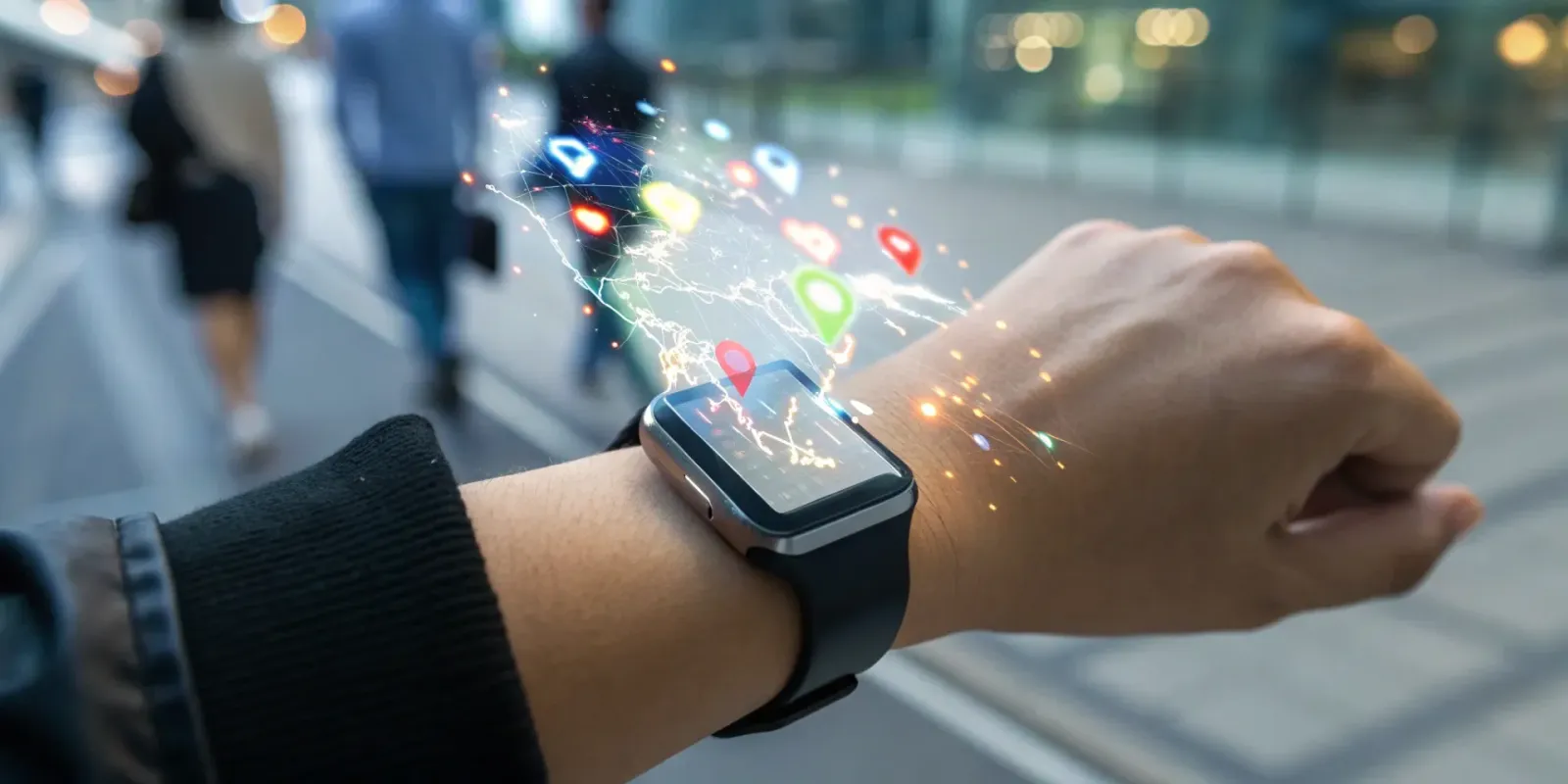
You've poured your heart into creating a stunning visual for your brand—a beautiful product package, a striking poster, or a clean business card. The last thing you want to do is disrupt that design with a generic, pixelated square. QR codes are practical, but they often compromise your brand's aesthetic. Fortunately, the world of scannable technology is much bigger than that one black-and-white box. There are powerful options that integrate seamlessly with your creative work, maintaining your visual identity while still creating a powerful digital connection. This article is your guide to the best QR code alternatives 2024, showing you how to link your worlds without sacrificing your style.
Key Takeaways
- Match the technology to your specific goal: While QR codes are versatile, specialized tools like NFC for secure payments or image recognition for branded experiences often create a much better and more effective interaction for your audience.
- Prioritize your audience's experience above all else: The best technology is the one that feels most intuitive and frictionless for your users, so consider their familiarity with the tech and the hardware they already have in their pockets.
- Make your visuals the gateway, not just the background: Image recognition allows you to embed interactive experiences directly into your existing brand assets, eliminating the need for a clunky code and keeping your design clean and beautiful.
What Are the Alternatives to QR Codes?
QR codes are everywhere you look, from restaurant menus to product packaging. They're a straightforward way to connect the physical world to a digital experience. But let's be honest, that black and white square isn't always the prettiest addition to your carefully crafted design, and it might not be the best tool for your specific goal. Sometimes, you need a solution that's more seamless, more powerful, or better integrated with your brand's aesthetic.
Exploring the world beyond QR codes opens up a ton of possibilities. Different technologies offer unique strengths, whether you need to process a quick payment, track inventory across a warehouse, or create a truly immersive experience for your audience. Thinking about the alternatives isn't about ditching what works; it's about finding the perfect technology to match your vision and give your users the best possible interaction.
Why Look Beyond the Black and White Square?
While QR codes are functional, they aren't a one-size-fits-all solution. Depending on your project, you might find they fall short. Looking at other options can help you create better user experiences by removing friction—like needing to open a specific app—or by offering more advanced capabilities. For example, some technologies are better suited for secure transactions, while others excel at tracking items over long distances. By understanding the full landscape of scannable tech, you can choose a tool that not only connects your audience to your content but also enhances the entire interaction, making it feel more intuitive and integrated.
A Quick Look at the Contenders
The world of scannable tech is surprisingly diverse. Each option has its own way of working and is built for different tasks. Before we get into the details, here's a quick rundown of the main QR code alternatives you'll find:
- NFC (Near Field Communication): This is the tech behind tap-to-pay. It uses close-range radio waves for quick and secure data exchange.
- RFID (Radio Frequency Identification): Often used in logistics, RFID uses radio waves to track tags attached to objects, even from a distance.
- Barcodes: The classic lines you see on almost every product. They're simple, cheap, and great for retail, but they don't hold much data.
- BLE Beacons (Bluetooth Low Energy): These small devices broadcast signals to nearby smartphones, perfect for location-based notifications and marketing.
NFC: The Power of a Simple Tap
You've probably used Near Field Communication (NFC) without even thinking about it. If you've ever paid for groceries by tapping your phone or used a key fob to enter your office, you've experienced the seamless magic of NFC. It's a technology that creates a connection with a simple, intentional touch, making it a powerful tool for creating quick and secure interactions.
Unlike QR codes, which require a user to open their camera and frame a shot, NFC works with a quick tap. This low-friction experience can feel more intuitive and modern. For businesses and creators, this means offering an interaction that feels less like a task and more like a discovery. Imagine a customer tapping their phone on a product display to see reviews or on a poster to get exclusive content. That's the kind of direct, engaging experience NFC can deliver. It's all about closing the distance between a physical object and a digital experience.
How Does NFC Work?
At its core, NFC is a wireless technology that lets two enabled devices communicate when they're very close—typically within a couple of inches. It uses radio waves to pass small amounts of information between an NFC tag and a reader. The tag, which can be a small sticker or embedded in an object, is passive, meaning it doesn't need its own power source. It waits for an active device, like your smartphone, to come near.
When your phone gets close, it energizes the tag and initiates a quick, secure data exchange. This is what happens when you tap your phone to a payment terminal. The terminal acts as the reader, and your phone shares the payment information. This close-range communication is a key feature, making the interaction both intentional and secure.
The Pros and Cons of NFC
One of the biggest advantages of NFC is its incredible ease of use. There's no app to download or camera to launch; a simple tap is all it takes. This makes for a smooth and fast user experience. That close-range requirement also doubles as a major security benefit. Because devices have to be physically close, it's much harder for data to be intercepted, which is why it's a trusted technology for contactless payments. The security of NFC is a big reason for its widespread adoption.
However, NFC isn't without its limitations. The biggest hurdle is that it requires specialized hardware. While most modern smartphones are NFC-enabled, some older or budget models might not be, which could limit your audience reach. Additionally, the physical NFC tags themselves have a cost, unlike QR codes which can be generated and printed for free.
What Does NFC Cost?
When you're planning your budget, it's important to understand that NFC costs are tied to physical hardware. The primary expense comes from purchasing the NFC tags themselves. The price of these tags can vary widely, from less than a dollar to several dollars each, depending on the type, memory capacity, and quantity you order. For a large-scale marketing campaign involving thousands of posters or products, this cost can add up quickly.
Compared to QR codes, which are free to generate, NFC represents a more significant upfront investment. You're essentially paying for the hardware that enables the tap-to-connect experience. While the backend software for managing what the NFC tag links to might have similar costs to a QR code management platform, the physical tags are an additional line item to consider.
RFID: Scanning from a Distance
If you've ever driven through an automated toll booth or seen a warehouse worker scan an entire pallet of goods in seconds, you've likely seen RFID in action. Radio-Frequency Identification, or RFID, uses radio waves to read and capture information stored on a tag attached to an object. Unlike QR codes or barcodes, RFID doesn't need a direct line of sight. A reader can pick up a tag's signal from several feet away, right through packaging, walls, or other obstacles.
This technology is a workhorse in logistics, inventory management, and asset tracking. It's built for scenarios where speed and volume are critical. Instead of scanning items one by one, an RFID reader can identify hundreds of tagged products simultaneously. This makes it a powerful tool for businesses that need to keep a close watch on a large number of items as they move through a supply chain. While it's not typically a consumer-facing technology for marketing, understanding how it works is helpful for seeing the full landscape of scannable tech.
Active vs. Passive RFID
RFID tags come in two main flavors: active and passive. The key difference is power. Active RFID tags have their own battery, allowing them to broadcast their signal continuously over long distances—sometimes up to 100 meters. Think of them as tiny beacons constantly announcing their location, which is ideal for tracking high-value assets in a large yard or facility.
Passive RFID tags, on the other hand, don't have a power source. They wait for a signal from an RFID reader to power them up just long enough to send back their information. This limits their range to about 1 to 10 meters, but it also makes them much cheaper and smaller. You'll find passive tags in things like key fobs, library books, and retail inventory.
What You Need to Get Started with RFID
Implementing an RFID system is more involved than creating a QR code. You'll need a few key components to get up and running. First are the RFID tags themselves, which you'll attach to every item you want to track. Next, you need RFID readers, which are the devices that send out radio waves and receive signals back from the tags. Finally, you need an RFID middleware system to process all the data the readers collect and turn it into useful information. The cost can vary widely, especially for readers, which are priced based on their range, durability, and other features.
How Well Does RFID Perform?
When it comes to efficiency, RFID is hard to beat. The ability to read multiple tags at once without a direct line of sight is its superpower, making tasks like inventory counts incredibly fast. Imagine scanning a whole stockroom in minutes instead of hours. However, its performance isn't flawless and can be affected by the surrounding environment. Radio waves can have trouble passing through metal or liquids, which can cause interference and lead to missed scans. This is a critical factor to consider if you're thinking about using RFID in a challenging setting, as the high implementation costs require careful planning.
BLE Beacons: Broadcasting to Your Audience
Imagine walking into a museum and getting details about the painting in front of you sent directly to your phone. Or strolling past a coffee shop and receiving a coupon for a latte. That's the magic of Bluetooth Low Energy (BLE) beacons. Unlike QR codes or NFC tags that require a user to actively scan or tap something, beacons work by broadcasting a signal to nearby devices. They're like tiny lighthouses, sending out information to anyone within their range who has the right app to listen.
This technology opens up a world of possibilities for location-based marketing and information sharing. Beacons are small, physical transmitters that you can place anywhere—in a retail store, at an event venue, or even on a product display. They use Bluetooth Low Energy to communicate, which means they can run for months or even years on a single coin-cell battery. For businesses and creators, this offers a passive way to engage with an audience, providing timely, relevant content based on their physical location. It's a one-to-many approach that can feel personal and immediate, creating a more dynamic and interactive environment for your customers or fans.
The Basics of Beacon Technology
At its core, beacon technology is pretty straightforward. A beacon is a small, battery-powered device that continuously transmits a unique identifier. Your smartphone, with Bluetooth turned on and a compatible app installed, can pick up this signal when it comes within range. The app then recognizes the identifier and triggers a specific action, like displaying a notification, opening a webpage, or offering a discount. Think of it as a digital whisper to anyone who walks by. Getting started is also relatively affordable, as individual beacons can range in price from $20 to $40, making them accessible even for small businesses or individual creators looking to experiment with proximity-based experiences.
How Far and Wide Do Beacons Reach?
The reach of a beacon is a key factor in how you'll use it. Technically, the Bluetooth Low Energy signal can travel up to 30 meters (about 100 feet). However, the real-world beacon range is often shorter. Physical obstructions like walls, shelves, or even large crowds can weaken the signal. Other factors, such as radio interference from Wi-Fi routers or the beacon's own power settings, also play a role. You can adjust the transmission power on most beacons to create smaller or larger interaction zones, allowing you to target a specific product display or an entire room. It's all about testing and finding what works best for your space and your goals.
Setting Up and Maintaining Beacons
One of the biggest draws of BLE technology is how simple it is to implement. Because the beacons themselves are low-cost and incredibly energy-efficient, they have made proximity marketing much more accessible. Setup involves placing the physical beacon in your desired location and then using a management platform to assign an action to its unique signal. Maintenance is minimal; since they use so little power, you'll only need to change the batteries every year or two. This "set it and forget it" quality allows you to focus on creating compelling content and experiences for your audience, rather than worrying about the tech that delivers it.
Image Recognition: When the Image is the Link
What if you could get rid of the clunky black-and-white box altogether? Image recognition technology does just that by turning your actual images—your logo, a product photo, or a print ad—into a scannable link. Instead of generating a separate code that you have to place on your design, the design itself becomes the interactive element. This approach keeps your branding clean and puts your visuals front and center. It's a perfect fit for anyone who has meticulously crafted their brand's aesthetic and doesn't want a QR code disrupting the view.
This technology works by using AI to identify specific images, objects, or patterns. When a user scans a recognized image with their phone's camera, it triggers an action, like opening a website, watching a video, or viewing a product page. It's a much more intuitive and visually appealing way to connect your physical and digital worlds. For creators and businesses, this is a game-changer. It allows you to create beautiful, engaging experiences without compromising your brand's look and feel. You maintain complete creative control, ensuring every touchpoint with your audience is a true reflection of your brand. The image is no longer just a static picture; it's a gateway to more content, a direct line to your online store, or an entry point to an immersive story.
How Visual Tech Turns Pictures into Portals
At its core, image recognition technology gives your camera the ability to "see" and understand what it's looking at. It can identify logos, products on a shelf, or even specific artwork within a larger picture. Think of it as a visual search that instantly connects a real-world image to a digital experience you've created. The best image recognition apps process these visuals with incredible speed and accuracy, making the user's journey from seeing to interacting feel immediate and seamless. This turns static media like posters, magazine pages, and product packaging into dynamic portals for more content.
Integrating Image Recognition into Your Workflow
Adding image recognition to your strategy is more straightforward than you might think. You can make any existing visual asset interactive, from the logo on your business card to the t-shirt design you just launched. Because you're using your own brand imagery, the experience feels cohesive and completely on-brand. This technology allows you to incorporate interactive elements directly into your products and marketing materials without extra steps. A customer could scan your product packaging to get recipes, or scan a poster to buy concert tickets, creating a direct path from interest to action.
How It Shapes the User Experience
This technology creates a fundamentally better user experience because it's intuitive and visually driven. People are naturally drawn to images, and scanning a beautiful product photo feels more engaging than scanning a generic code. It removes a layer of abstraction and allows for a direct, satisfying interaction with the brand. This immediate access to information helps customers make smarter, faster decisions. By turning a passive ad into an interactive experience, you invite your audience to play, explore, and connect with your brand on a deeper level, making the entire journey more memorable and enjoyable.
How Do These Technologies Stack Up?
Now that we've covered the main contenders, let's put them side-by-side. Choosing the right scannable tech isn't just about what's new and shiny; it's about what works best for your project, your budget, and most importantly, your audience. Each option comes with its own set of strengths and weaknesses. Are you prioritizing top-tier security, the lowest possible cost, or the smoothest user experience? The answer will guide you to the perfect fit. Let's break down how these technologies compare in the areas that matter most.
Data and Security
When you're sending users to a link or asking for their information, security is non-negotiable. NFC is a strong performer here, as its transactions are encrypted, making it a great choice for payments and sensitive data. QR codes can also be made secure, with options for password protection to control access. Image recognition platforms like IRCODE build security into their service, linking a specific visual to a verified destination. This helps prevent the code-swapping issues that can sometimes happen with QR codes left in public spaces, ensuring your audience always lands exactly where you want them to.
Required Hardware
The hardware question is often the deciding factor for many projects. QR codes are the most accessible; nearly every smartphone can scan them with a built-in camera app. NFC requires NFC-enabled devices, which are common on modern phones but not universal. RFID needs specialized readers, which can be expensive and might not be practical for consumer-facing applications. BLE beacons require users to have Bluetooth enabled and often a specific app installed. Image recognition works with standard smartphone cameras but may need a dedicated app for optimal performance. Consider your audience's tech habits and the devices they're likely to have when making your choice.
User Experience
The user experience can make or break the success of your interactive campaign. QR codes require users to open a camera app and frame the code, which can feel clunky. NFC offers the smoothest experience with a simple tap, but users need to know to try it. RFID works automatically when items are within range, but it's typically not a consumer-facing technology. BLE beacons can deliver content automatically when users are nearby, but they need the right app and permissions. Image recognition feels the most natural, as users just point their camera at what they're interested in. The key is matching the interaction style to your audience's expectations.
Range and Proximity
Different scenarios call for different interaction distances. NFC works at very close range—within a few centimeters—which makes it great for intentional interactions like payments but limits its use for broader engagement. QR codes work at medium range, as long as the camera can clearly see the code. RFID can work from several meters away, making it ideal for tracking and inventory but less personal for marketing. BLE beacons have the longest range, up to 30 meters, allowing for location-based marketing but with less precision. Image recognition works at the range your camera can focus, making it flexible for both close-up product shots and distant signage.
Cost Considerations
Budget is always a factor, and these technologies have very different cost structures. QR codes are essentially free to generate and print, making them the most budget-friendly option. NFC requires purchasing physical tags, which can add up for large campaigns. RFID has the highest upfront costs due to specialized readers and tags. BLE beacons require an initial investment in the physical devices but are relatively affordable. Image recognition typically involves software licensing or platform fees, but no additional hardware costs. Consider not just the initial expense but also the long-term maintenance and replacement costs when calculating your total investment.
Accuracy and Reliability
How consistently does the technology work in real-world conditions? QR codes are generally reliable but can struggle in poor lighting or if they're damaged. NFC is very consistent due to its close-range nature and standardized protocols. RFID performance can vary based on environmental factors like metal interference or tag orientation. BLE beacons are reliable but can be affected by Bluetooth interference or battery levels. Image recognition accuracy depends on lighting conditions and image quality, but advanced AI platforms like IRCODE have made significant improvements in reliability. Consider the environmental conditions where your technology will be used and choose accordingly.
Analytics and Tracking
Understanding how your audience interacts with your content is crucial for optimizing your campaigns. QR codes can provide basic scan data if you're using a platform that tracks interactions. NFC interactions can be logged and analyzed, giving you insights into when and where taps occur. RFID excels at tracking, providing detailed data on item movement and interactions. BLE beacons can offer rich analytics on user behavior and location patterns. Image recognition platforms often provide comprehensive analytics, showing not just scans but also user engagement patterns. The depth of data you need should influence your technology choice.
Making the Right Choice for Your Project
With all these options on the table, how do you choose? The best technology for your project depends on your specific goals, audience, and constraints. There's no one-size-fits-all solution, but there are some key questions that can guide your decision. Think about what you want to achieve, who you're trying to reach, and what resources you have available. The right choice is the one that creates the best experience for your users while meeting your business objectives.
What's Your Primary Goal?
Start by getting crystal clear on what you want to accomplish. Are you trying to drive sales, share information, collect data, or create an experience? Different technologies excel at different objectives. If you're focused on secure payments, NFC is your best bet. For tracking inventory or assets, RFID is unmatched. If you want to create an immersive, brand-consistent experience, image recognition might be the perfect fit. QR codes are versatile and work well for general information sharing, while BLE beacons excel at location-based marketing. Your primary goal should be the starting point for narrowing down your options.
Who Is Your Audience?
Understanding your audience is crucial for technology selection. Consider their age, tech-savviness, and the devices they typically use. Younger audiences might be more willing to download an app for BLE beacon interactions, while older users might prefer the simplicity of QR codes. Business users might be more comfortable with NFC payments, while consumers might find image recognition more intuitive. Think about where your audience will encounter your technology and what they're trying to accomplish in that moment. The best choice is the one that feels natural and effortless for your specific users.
What Are Your Constraints?
Be honest about your limitations. Budget constraints might push you toward QR codes or away from RFID systems. Technical limitations in your organization might favor simpler solutions over complex integrations. Time constraints might influence whether you can implement a comprehensive BLE beacon network or need something quicker to deploy. Environmental factors, like whether your technology will be used indoors or outdoors, might eliminate certain options. By acknowledging your constraints upfront, you can focus on solutions that are actually feasible for your situation.
What's Your Brand Identity?
Your brand identity should play a major role in your decision. If you've built a reputation on cutting-edge innovation, you might want to showcase the latest image recognition technology. If your brand values simplicity and accessibility, QR codes might be more on-brand. If you're in a luxury market where aesthetics matter deeply, the visual disruption of QR codes might be a deal-breaker, making image recognition or NFC more appealing. The technology you choose becomes part of your brand experience, so make sure it aligns with the image you want to project.
Where Will This Be Used?
Context matters enormously in technology selection. A busy retail environment might favor the quick interactions of NFC or the automatic detection of BLE beacons. A trade show booth might benefit from the visual appeal of image recognition or the universal compatibility of QR codes. An outdoor event might present lighting challenges for QR codes but be perfect for NFC interactions. A warehouse setting might require the range and bulk-scanning capabilities of RFID. Consider not just where the technology will be deployed, but when and how people will interact with it.
What's Your Timeline?
Some technologies are faster to implement than others. QR codes can be generated and deployed almost immediately. Image recognition might require time to train AI models on your specific visuals. NFC needs time to source and program tags. RFID requires more extensive planning and infrastructure setup. BLE beacon networks need time to plan placement and develop supporting apps. If you're working with a tight deadline, this might be the deciding factor. However, don't let urgency push you toward a suboptimal solution if a slightly longer timeline could deliver a much better result.
The Future of Scannable Technology
As we look ahead, the landscape of scannable technology continues to evolve rapidly. What we use today might seem primitive compared to what's coming next. Understanding these trends can help you make decisions that won't feel outdated in a year or two. The technologies we've discussed are all improving, but some are advancing faster than others, and entirely new approaches are emerging.
AI and Machine Learning Integration
Artificial intelligence is transforming every aspect of scannable technology. Image recognition is becoming more accurate and faster, able to identify objects in complex scenes with impressive precision. QR codes are getting smarter too, with AI helping to optimize placement and predict scanning success rates. Even traditional technologies like RFID are benefiting from AI-powered analytics that can predict maintenance needs and optimize performance. This intelligence layer is making all scannable technologies more reliable and user-friendly.
The Rise of Augmented Reality
Augmented reality (AR) is starting to blur the lines between scanning and interacting. Instead of just linking to a webpage, scanned objects can trigger immersive AR experiences that overlay digital information onto the real world. This opens up possibilities that go far beyond what traditional scannable technologies can achieve. Imagine scanning a product and seeing 3D demonstrations, customer reviews floating in space, or virtual try-on experiences. AR represents the next evolution of scannable tech, turning every surface into a potential interactive display.
Voice and Gesture Integration
The future of interaction isn't limited to scanning. Voice commands and gesture recognition are beginning to work alongside visual technologies. You might scan an image to start an interaction, then use voice commands to navigate through options, or use hand gestures to manipulate AR objects. This multimodal approach creates richer, more intuitive experiences that feel more like natural human interaction and less like using a tool.
Privacy and Security Evolution
As these technologies become more powerful, privacy and security concerns are driving innovation in how data is handled. New approaches like edge computing allow for local processing of visual recognition, keeping sensitive data on the user's device rather than sending it to the cloud. Blockchain technology is being explored for creating tamper-proof links between physical objects and digital content. These developments are making scannable technologies more trustworthy and compliant with evolving privacy regulations.
Standardization and Interoperability
One of the current challenges with scannable technology is the fragmentation between different platforms and approaches. The future likely holds more standardization, allowing different technologies to work together seamlessly. Imagine a single app that can handle QR codes, NFC, image recognition, and beacon interactions, automatically choosing the best method based on the situation. This kind of unified approach would make the user experience much smoother and reduce the friction that currently exists between different systems.
Choosing Your Path Forward
The world of scannable technology offers more possibilities today than ever before. Whether you stick with the familiar reliability of QR codes, embrace the seamless interaction of NFC, leverage the tracking power of RFID, explore the proximity marketing potential of BLE beacons, or step into the visually integrated future of image recognition, the key is making a choice that serves your specific needs and delights your audience.
The perfect technology is the one that feels invisible to your users while delivering exactly what they need, when they need it. It should enhance your brand rather than distract from it, and it should feel natural rather than forced. As you've seen throughout this guide, there's no universal best choice—only the best choice for your particular situation.
Start with Small Experiments
If you're unsure which direction to go, consider starting with small pilot projects. Test different technologies with a subset of your audience or in specific contexts. This approach lets you gather real-world data about what works best for your specific use case without committing to a large-scale implementation. You might discover that your assumptions about your audience were wrong, or that certain environmental factors make one technology perform better than expected.
Focus on the Experience
Whatever technology you choose, the most important factor is the user experience. The most advanced technology in the world won't help you if it's frustrating or confusing for your audience. Keep the interaction as simple and intuitive as possible. Provide clear instructions when needed, but aim for experiences that feel so natural they don't require explanation. Test with real users early and often, and be willing to adjust your approach based on their feedback.
Plan for Evolution
Technology moves fast, and your choice today doesn't have to be your choice forever. Build your implementation in a way that allows for future upgrades or changes. Keep your content management systems flexible, maintain good relationships with technology vendors, and stay informed about emerging trends. The companies that thrive in this space are the ones that can adapt quickly as new opportunities arise.
Measure and Optimize
Whichever technology you choose, make sure you have systems in place to measure its effectiveness. Track not just basic metrics like scan rates, but also deeper engagement metrics that tell you whether the technology is actually serving your business goals. Use this data to continuously optimize your implementation, adjusting everything from placement to messaging to maximize results.
Final Thoughts
The era of being limited to QR codes is over. Today's landscape offers a rich variety of technologies, each with unique strengths that can serve different aspects of your strategy. The key is understanding these options well enough to make informed decisions that align with your goals, constraints, and audience needs.
As you move forward, remember that the best scannable technology is the one that creates genuine value for your users while advancing your business objectives. Whether that's the universal accessibility of QR codes, the seamless interaction of NFC, the tracking capabilities of RFID, the location-awareness of BLE beacons, or the visual integration of image recognition, the right choice is the one that fits your specific context.
The future belongs to brands that can create seamless bridges between the physical and digital worlds. By choosing the right scannable technology and implementing it thoughtfully, you can create experiences that feel magical to your audience while driving real results for your business. The tools are available, the technology is mature, and the opportunity is yours to seize.
What will you scan next?