Interactive OOH Advertising: A Practical Guide
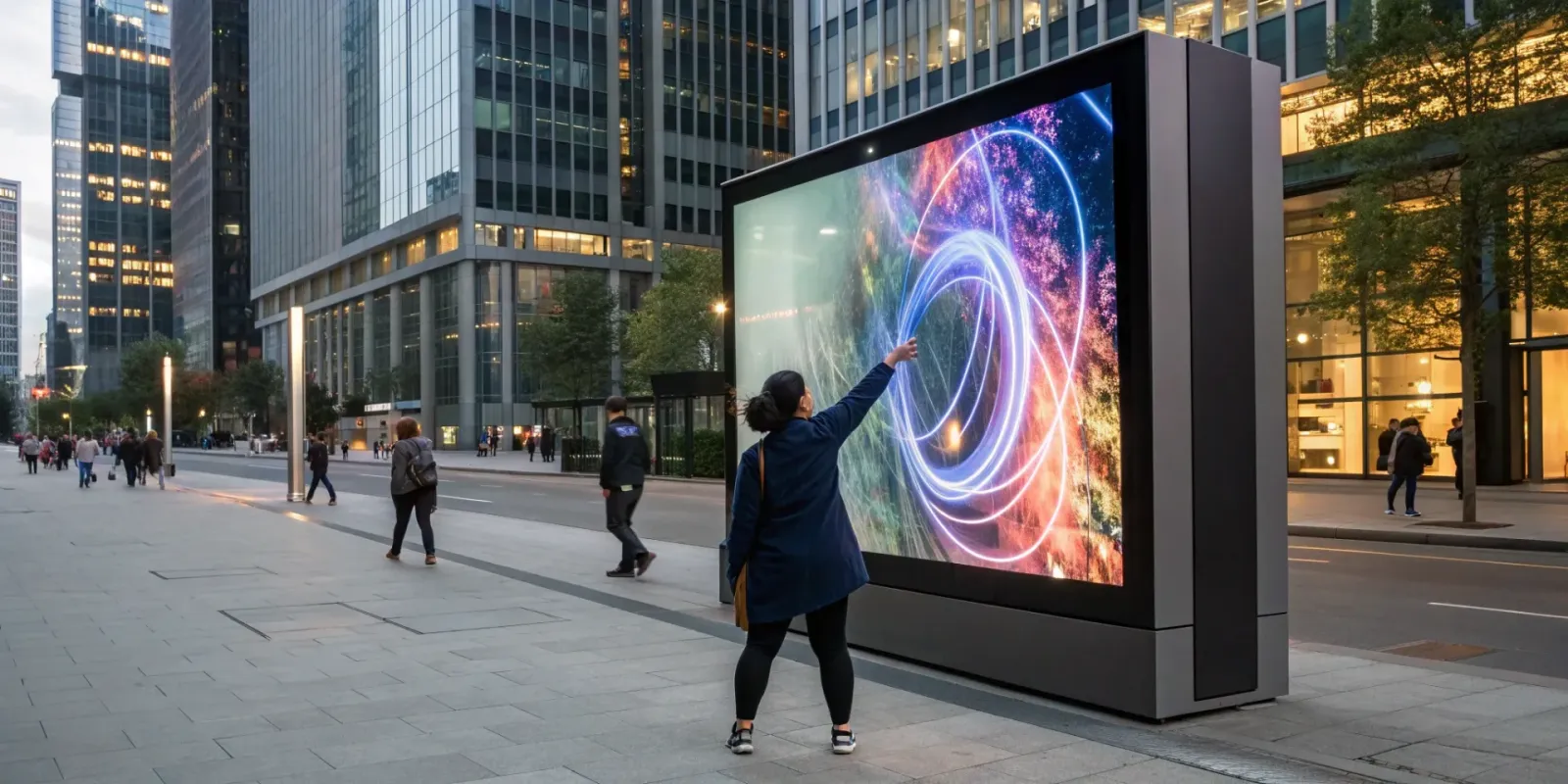
Interactive OOH Advertising: A Practical Guide
In an era where consumers are bombarded with thousands of advertising messages daily, traditional out-of-home (OOH) advertising faces an unprecedented challenge: how to cut through the noise and create genuine engagement. The answer lies in interactive OOH advertising—a revolutionary approach that transforms static billboards and displays into dynamic, engaging experiences that capture attention, drive action, and deliver measurable results.
Interactive OOH advertising represents the evolution of outdoor advertising from passive viewing to active engagement. By incorporating technologies like QR codes, augmented reality, touchscreens, and image recognition, brands can create immersive experiences that bridge the physical and digital worlds. This comprehensive guide will walk you through everything you need to know about implementing successful interactive OOH campaigns, from understanding the technology to measuring results and maximizing ROI.
What Is Interactive Out-of-Home Advertising?
Interactive out-of-home advertising transforms traditional static outdoor advertisements into dynamic, engaging experiences that invite audience participation. Unlike conventional billboards that rely solely on visual appeal and brand recognition, interactive OOH creates a two-way communication channel between brands and consumers, enabling real-time engagement and immediate action.
At its core, interactive OOH advertising leverages various technologies to make outdoor advertisements responsive to human interaction. This can range from simple QR code implementations that direct users to digital content, to sophisticated augmented reality experiences that overlay digital information onto the physical world. The key differentiator is the shift from passive consumption to active engagement, creating memorable brand experiences that drive measurable business outcomes.
The Evolution from Static to Interactive
The journey from static to interactive OOH advertising reflects broader changes in consumer behavior and technological advancement. Traditional billboard advertising has remained largely unchanged for decades—a static image or message designed to build brand awareness and recall. While effective for its time, this approach faces significant challenges in today's attention economy.
Modern consumers expect interactivity and personalization in their brand experiences. They want to engage with content on their terms, access additional information instantly, and take immediate action when interested. Interactive OOH meets these expectations by transforming outdoor advertising spaces into gateways for deeper brand engagement.
The evolution has been driven by several key factors:
Smartphone Ubiquity: With over 6.8 billion smartphone users worldwide, nearly every consumer carries a device capable of interacting with digital content. This universal accessibility makes interactive OOH campaigns viable on a massive scale.
Improved Technology: Advances in display technology, connectivity, and recognition systems have made interactive installations more reliable, affordable, and easier to implement than ever before.
Changing Consumer Expectations: Digital natives expect brands to provide interactive, personalized experiences across all touchpoints, including traditional advertising mediums.
Measurement Demands: Marketers increasingly need precise, actionable data about campaign performance. Interactive OOH provides detailed analytics that traditional outdoor advertising cannot match.
Key Technologies Powering Interactive OOH
The success of interactive OOH campaigns depends on sophisticated technologies working seamlessly together. Understanding these technologies is crucial for planning and implementing effective campaigns.
QR Codes and Visual Recognition QR codes represent the most accessible entry point into interactive OOH advertising. These scannable codes can instantly connect physical advertisements to digital experiences, product pages, exclusive content, or promotional offers. Modern QR code implementations often include dynamic capabilities, allowing marketers to update destinations and track performance in real-time.
Beyond traditional QR codes, advanced visual recognition technologies like IRCODE eliminate the need for additional visual elements by making the advertisement itself scannable. This approach preserves creative integrity while providing sophisticated interaction capabilities.
Augmented Reality (AR) AR technology overlays digital content onto the physical world, creating immersive experiences that blur the line between reality and digital content. In OOH advertising, AR can transform static billboards into interactive 3D experiences, allowing consumers to visualize products in real-world contexts or access additional information through their smartphone cameras.
Touchscreen Integration Digital OOH displays with touchscreen capabilities enable direct manipulation and exploration of content. These installations are particularly effective in high-traffic areas where dwell time allows for extended interaction, such as shopping centers, transportation hubs, and waiting areas.
Proximity Sensors and Beacons Bluetooth beacons and proximity sensors can trigger interactive experiences based on consumer location and movement patterns. These technologies enable contextual advertising that responds to consumer behavior in real-time, delivering relevant content at the optimal moment.
Connected Infrastructure Modern interactive OOH installations rely on robust connectivity infrastructure to deliver real-time content, process interactions, and transmit performance data. 5G networks, edge computing, and cloud platforms provide the backbone for sophisticated interactive experiences.
Benefits of Interactive OOH Advertising
The shift toward interactive OOH advertising offers compelling advantages for brands, advertisers, and consumers alike. These benefits extend far beyond traditional outdoor advertising capabilities, creating new opportunities for engagement, measurement, and optimization.
Enhanced Engagement and Brand Recall
Interactive elements dramatically increase audience engagement compared to static advertisements. When consumers actively participate in a brand experience, they form stronger emotional connections and demonstrate higher recall rates. Studies consistently show that interactive advertisements generate 2-3 times higher engagement rates than their static counterparts.
The engagement boost stems from several psychological factors:
Active Participation: Interactive experiences require conscious decision-making and physical action, creating deeper cognitive processing and memory formation.
Novelty Effect: Interactive OOH installations often surprise and delight consumers, creating positive brand associations and memorable experiences.
Personalization Opportunities: Interactive platforms can deliver customized content based on user preferences, location, or interaction history, making the experience more relevant and engaging.
Social Sharing Potential: Unique interactive experiences often encourage social media sharing, extending campaign reach and creating user-generated content.
Measurable Performance and ROI
One of the most significant advantages of interactive OOH advertising is its measurability. Traditional outdoor advertising has long struggled with attribution and performance measurement, relying primarily on estimated impressions and broad demographic data. Interactive OOH changes this paradigm entirely.
Real-time Analytics: Interactive installations provide immediate feedback on campaign performance, including interaction rates, dwell times, content preferences, and conversion metrics.
Precise Attribution: By tracking user interactions from outdoor touchpoints through digital conversion funnels, brands can accurately measure the impact of OOH investments on business outcomes.
A/B Testing Capabilities: Interactive platforms enable real-time testing of different creative elements, messages, and calls-to-action, allowing for continuous optimization.
Cross-channel Integration: Interactive OOH campaigns can seamlessly integrate with digital marketing efforts, providing comprehensive view of customer journey and attribution across touchpoints.
Audience Data and Insights
Interactive OOH advertising generates valuable first-party data about audience preferences, behaviors, and engagement patterns. This data provides insights that extend far beyond individual campaign performance, informing broader marketing strategies and customer understanding.
Demographic Insights: Interaction data reveals detailed audience demographics, including age ranges, interests, and engagement preferences.
Behavioral Patterns: Analysis of interaction timing, duration, and content preferences provides deep insights into consumer behavior and decision-making processes.
Location Intelligence: Combining interaction data with location information creates powerful insights about consumer movement patterns and contextual preferences.
Content Performance: Understanding which content elements drive highest engagement helps optimize future creative development and messaging strategies.
Cost Efficiency and Scalability
While interactive OOH installations may require higher initial investment than traditional static advertising, they often deliver superior cost efficiency through improved performance and extended campaign lifecycles.
Extended Campaign Life: Interactive installations can be updated with new content and offers without physical replacement, extending the effective lifespan of outdoor advertising investments.
Dynamic Optimization: Real-time performance data enables immediate campaign adjustments, maximizing efficiency and minimizing waste.
Multipurpose Functionality: Interactive installations can serve multiple campaign objectives simultaneously, from awareness building to lead generation and direct sales.
Scalable Infrastructure: Once established, interactive OOH networks can accommodate multiple campaigns and brands, reducing per-campaign costs and increasing flexibility.
Planning Your Interactive OOH Campaign
Successful interactive OOH campaigns require careful planning that considers audience behavior, technology requirements, creative development, and performance measurement. The planning process should begin with clear objectives and evolve through systematic consideration of each campaign element.
Setting Clear Objectives and KPIs
Before diving into creative concepts or technology selection, establish specific, measurable objectives for your interactive OOH campaign. These objectives will guide every subsequent decision and provide benchmarks for success measurement.
Awareness Objectives If your primary goal is brand awareness, focus on metrics such as:
- Total interactions and unique participants
- Dwell time and content engagement depth
- Social media sharing and user-generated content
- Brand recall and recognition surveys
- Reach and frequency measurements
Engagement Objectives For campaigns prioritizing audience engagement:
- Interaction completion rates
- Content exploration depth
- Return interaction rates
- Social media engagement and sharing
- User feedback and satisfaction scores
Conversion Objectives When driving specific actions or sales:
- Click-through rates to digital properties
- Lead generation and form completions
- Coupon redemptions and promotional codes
- Direct sales attribution
- Customer acquisition costs and lifetime value
Data Collection Objectives If audience insights are a priority:
- Opt-in rates for data collection
- Profile completion rates
- Preference and interest data quality
- Geographic and demographic coverage
- Data accuracy and usability metrics
Understanding Your Target Audience
Interactive OOH success depends on deep understanding of your target audience's behaviors, preferences, and interaction patterns. This understanding should inform location selection, technology choices, creative development, and campaign timing.
Demographic Analysis Conduct thorough analysis of your target audience demographics, including:
- Age ranges and generational preferences
- Income levels and spending patterns
- Geographic distribution and mobility
- Technology adoption and comfort levels
- Media consumption habits and preferences
Behavioral Insights Understanding audience behavior patterns is crucial for campaign design:
- Daily movement and commuting patterns
- Smartphone usage and interaction preferences
- Social media engagement and sharing habits
- Shopping behaviors and decision-making processes
- Response to interactive content and experiences
Contextual Considerations Consider how context affects audience receptiveness to interactive experiences:
- Time of day and weekly patterns
- Location-specific behaviors and mindsets
- Environmental factors affecting interaction
- Competing demands for attention
- Privacy and security concerns
Location Selection and Audience Analysis
The success of interactive OOH campaigns heavily depends on strategic location selection. The right locations can dramatically amplify campaign effectiveness, while poor location choices can undermine even the most creative and well-executed campaigns.
High-Traffic Locations Priority should be given to locations with substantial foot traffic and appropriate dwell times:
- Transportation hubs (airports, train stations, bus terminals)
- Shopping centers and retail districts
- Entertainment venues and event spaces
- Business districts and office complexes
- Educational institutions and campuses
Audience Alignment Ensure selected locations align with target audience patterns:
- Demographic composition of location traffic
- Timing of peak audience presence
- Audience mindset and receptiveness
- Competing advertisers and message saturation
- Permission and regulatory considerations
Technical Infrastructure Assess technical requirements and limitations:
- Power availability and reliability
- Internet connectivity and bandwidth
- Physical installation requirements
- Weather protection and durability needs
- Security and vandalism considerations
Measurement Capabilities Consider how location characteristics affect measurement and optimization:
- Baseline traffic patterns and seasonality
- Ability to implement control groups
- Attribution challenges and solutions
- Privacy and compliance requirements
- Data collection and storage capabilities
Technology Selection and Integration
Choosing the right technology stack is crucial for interactive OOH campaign success. The selection should balance user experience, technical reliability, cost considerations, and measurement capabilities.
User Experience Priorities Technology selection should prioritize intuitive, friction-free user experiences:
- Minimal learning curve and clear interaction cues
- Fast response times and reliable performance
- Accessibility for diverse audiences and abilities
- Privacy protection and data security
- Seamless integration with mobile devices
Technical Reliability Outdoor installations face unique technical challenges requiring robust solutions:
- Weather resistance and environmental durability
- Consistent connectivity and power management
- Automated maintenance and remote monitoring
- Scalable infrastructure and cloud integration
- Backup systems and failure recovery
Integration Capabilities Ensure selected technologies integrate effectively with existing marketing infrastructure:
- CRM and customer data platform compatibility
- Analytics and reporting system integration
- Content management and update capabilities
- Cross-channel campaign coordination
- Third-party vendor and partner compatibility
Types of Interactive OOH Technologies
The landscape of interactive OOH technologies offers diverse options for creating engaging consumer experiences. Understanding the strengths, limitations, and appropriate applications of each technology type is essential for selecting the optimal solution for specific campaign objectives.
QR Codes and Scannable Technologies
QR codes represent the most accessible and widely adopted interactive OOH technology. Their popularity surged during the COVID-19 pandemic as contactless interaction became essential, leading to widespread consumer familiarity and acceptance.
Traditional QR Codes Standard QR codes offer several advantages:
- Universal smartphone compatibility
- No app requirements for modern devices
- Cost-effective implementation and maintenance
- Dynamic content updating capabilities
- Comprehensive tracking and analytics
However, traditional QR codes also present challenges:
- Visual impact on creative design
- Potential consumer skepticism about scanning unknown codes
- Limited customization and branding options
- Vulnerability to tampering or replacement
- Reduced effectiveness in certain lighting conditions
Advanced Visual Recognition Modern image recognition technologies like IRCODE address many traditional QR code limitations:
- Seamless integration with existing creative content
- Enhanced security and tamper resistance
- Improved user experience and interaction rates
- Sophisticated analytics and attribution capabilities
- Brand-consistent visual presentation
Implementation Best Practices Successful QR code and visual recognition campaigns require careful implementation:
- Clear calls-to-action explaining the value proposition
- Prominent placement ensuring easy scanning access
- Mobile-optimized landing pages and content
- Testing across multiple device types and conditions
- Regular monitoring and maintenance procedures
Augmented Reality Experiences
Augmented reality transforms static OOH installations into immersive, interactive experiences that blend physical and digital content. AR campaigns can create memorable brand experiences that encourage exploration and social sharing.
Marker-based AR Traditional AR experiences use visual markers or triggers:
- Consistent recognition across different devices
- Controlled content presentation and experience flow
- Detailed analytics and interaction tracking
- Lower bandwidth requirements
- Predictable performance and user experience
Markerless AR Advanced AR implementations operate without specific visual triggers:
- Greater creative freedom and visual integration
- More natural and intuitive user interactions
- Enhanced user experience and engagement
- Complex technical requirements and implementation
- Higher development and maintenance costs
AR Content Strategies Effective AR experiences should:
- Provide clear value beyond novelty appeal
- Encourage exploration and extended interaction
- Include social sharing and user-generated content opportunities
- Maintain performance across diverse device capabilities
- Offer accessible alternatives for non-AR compatible devices
Touchscreen and Digital Displays
Interactive digital displays with touchscreen capabilities enable direct manipulation and exploration of content. These installations work particularly well in environments where consumers have time to engage with detailed content.
Standalone Kiosks Dedicated interactive kiosks offer:
- Full control over user experience and interface design
- High-quality displays and reliable performance
- Comprehensive analytics and interaction tracking
- Durability and weather resistance
- Integration with broader digital infrastructure
Integrated Display Systems Touchscreens integrated into existing OOH infrastructure provide:
- Cost-effective deployment across multiple locations
- Consistent brand experience and message delivery
- Shared maintenance and operational efficiency
- Network effects and cross-location analytics
- Simplified content management and updates
Content Design Considerations Touchscreen content should prioritize:
- Intuitive navigation and clear interaction cues
- Fast loading times and responsive performance
- Accessibility for users with diverse abilities
- Content hierarchy supporting quick scanning
- Clear value propositions and calls-to-action
Proximity-Based Interactions
Bluetooth beacons, NFC tags, and proximity sensors enable location-triggered interactions that respond to consumer presence and movement patterns. These technologies create contextual experiences that feel natural and timely.
Bluetooth Beacon Networks Beacon-based systems offer:
- Precise location tracking and contextual messaging
- App-based experiences with rich functionality
- Cross-location analytics and user journey mapping
- Integration with loyalty programs and customer data
- Privacy-compliant opt-in interaction models
NFC Implementation Near-field communication provides:
- Secure, tap-based interactions
- Integration with mobile payment systems
- Offline capability for basic content delivery
- Low power consumption and maintenance requirements
- High security and tamper resistance
Geofencing and Location Services GPS-based location services enable:
- Large-scale geographic targeting and personalization
- Integration with mobile apps and digital ecosystems
- Cross-channel attribution and customer journey analysis
- Real-time content optimization based on location context
- Compliance with location privacy regulations
Creative Best Practices for Interactive OOH
Creating effective interactive OOH campaigns requires a unique blend of traditional advertising expertise and digital experience design. The most successful campaigns seamlessly integrate compelling creative content with intuitive interactive elements that enhance rather than distract from the core message.
Designing for Engagement
Interactive OOH creative development should prioritize user engagement while maintaining clear brand communication. The creative approach must consider the unique viewing conditions, interaction methods, and audience mindset associated with outdoor advertising environments.
Visual Hierarchy and Attention Effective interactive OOH creative establishes clear visual hierarchy that guides viewer attention from initial awareness through interaction completion:
- Primary Message: The core brand message should be immediately visible and comprehensible, even for viewers who don't interact with the installation
- Interactive Cues: Clear visual indicators should communicate interaction opportunities without overwhelming the primary message
- Call-to-Action: Compelling, benefit-focused calls-to-action should motivate interaction while setting appropriate expectations
- Progress Indicators: For multi-step interactions, clear progress indicators help maintain engagement and reduce abandonment
Color and Contrast Optimization Outdoor viewing conditions require special consideration for color choices and contrast levels:
- High contrast between text and background ensures readability in various lighting conditions
- Color selections should account for potential color blindness and accessibility requirements
- Dynamic content should maintain consistent brand colors while adapting to environmental conditions
- Interactive elements should use distinctive colors that clearly indicate their interactive nature
Typography and Readability Text elements in interactive OOH must be optimized for various viewing distances and conditions:
- Large, bold fonts ensure readability from typical viewing distances
- Sans-serif typefaces generally perform better in outdoor environments
- Text hierarchy should guide viewers through the interaction process
- Minimal text content focuses attention on key messages and actions
User Experience Design Principles
Interactive OOH user experience design must account for unique constraints and opportunities that differ significantly from traditional digital interfaces. The outdoor environment, brief attention spans, and diverse audience capabilities require specialized design approaches.
Simplicity and Intuitive Navigation OOH interactions should be immediately understandable without instruction or learning:
- Interaction methods should leverage familiar gestures and conventions
- Navigation should be logical and predictable
- Error recovery should be simple and forgiving
- Alternative interaction methods should accommodate different user preferences and abilities
Speed and Responsiveness Technical performance directly impacts user experience and campaign effectiveness:
- Interactions should respond immediately to user input
- Content loading should be optimized for quick delivery
- Fallback options should handle technical failures gracefully
- Performance monitoring should ensure consistent experience quality
Accessibility and Inclusivity Interactive OOH installations should welcome and accommodate diverse audiences:
- Visual design should meet accessibility standards for contrast and readability
- Alternative interaction methods should accommodate physical limitations
- Content should be understandable across different literacy levels
- Language considerations should reflect local audience diversity
Content Strategy and Messaging
Interactive OOH content strategy must balance immediate impact with deeper engagement opportunities. The content should provide value at multiple levels, satisfying both casual viewers and engaged participants.
Layered Content Architecture Effective interactive OOH content provides value at multiple engagement levels:
Surface Level: Immediate brand awareness and key message communication for casual viewers Interaction Level: Enhanced content and experiences for users who choose to engage Deep Engagement: Comprehensive experiences, detailed information, or exclusive content for highly engaged users Follow-up Level: Continued engagement opportunities through digital channels and ongoing communications
Value Proposition Communication Interactive elements should provide clear, compelling value propositions:
- Exclusive content or offers available only through interaction
- Useful information or tools that serve immediate user needs
- Entertainment value that justifies the time investment
- Social sharing opportunities that extend engagement value
- Personalization benefits that improve relevance and utility
Brand Consistency and Integration Interactive content should reinforce broader brand messaging and positioning:
- Visual design elements should align with established brand guidelines
- Tone of voice and messaging should reflect brand personality
- Interactive experiences should support broader campaign objectives
- Cross-channel integration should create cohesive customer experiences
Implementation and Execution
Successful interactive OOH campaign implementation requires careful coordination of multiple technical, creative, and operational elements. The execution phase transforms strategic planning and creative concepts into functional, engaging consumer experiences.
Technical Setup and Infrastructure
The technical foundation of interactive OOH campaigns must be robust, reliable, and scalable. Poor technical execution can undermine even the most compelling creative concepts and strategic planning.
Hardware Selection and Installation Choosing appropriate hardware requires balancing performance, durability, and cost considerations:
Display Technology: LED displays offer bright, clear visibility in outdoor conditions, while e-ink displays provide excellent readability with minimal power consumption. OLED technology delivers superior color quality but may require additional protection in harsh outdoor environments.
Computing Infrastructure: Edge computing solutions provide fast response times and reduced bandwidth requirements, while cloud-based systems offer scalability and remote management capabilities. Hybrid approaches often provide optimal balance of performance and flexibility.
Connectivity Solutions: Reliable internet connectivity is essential for dynamic content delivery and real-time analytics. 5G networks provide high-speed, low-latency connections, while fiber optic cables offer stable, high-bandwidth alternatives for permanent installations.
Power Management: Outdoor installations require robust power management solutions, including backup batteries, surge protection, and energy-efficient components. Solar power integration can provide sustainable, cost-effective operation for remote locations.
Environmental Protection: Weather-resistant enclosures protect sensitive electronics from moisture, temperature extremes, and physical damage. Proper ventilation and thermal management prevent overheating and ensure reliable operation.
Security Measures: Physical security systems protect against vandalism and theft, while cybersecurity measures protect against digital threats and unauthorized access. Regular security updates and monitoring are essential for maintaining system integrity.
Content Management Systems
Effective content management enables dynamic campaign optimization and real-time responsiveness to changing conditions and performance data.
Dynamic Content Delivery Modern interactive OOH installations require sophisticated content management capabilities:
Real-time Updates: Content management systems should enable immediate updates across multiple installations, allowing for rapid response to market conditions, inventory changes, or performance optimization opportunities.
Scheduling and Automation: Automated content scheduling based on time, date, weather, events, or other triggers ensures relevant messaging delivery without manual intervention.
A/B Testing Infrastructure: Built-in testing capabilities enable systematic comparison of different creative elements, messages, and interaction methods to optimize campaign performance.
Performance Integration: Content management systems should integrate with analytics platforms to enable data-driven content optimization and automated performance reporting.
Multi-format Support: Systems should accommodate various content formats, including images, videos, interactive applications, and real-time data feeds.
Version Control: Robust version control ensures content integrity and enables rollback capabilities when updates cause unexpected issues.
Quality Assurance and Testing
Comprehensive testing procedures ensure reliable operation and optimal user experience across diverse conditions and usage scenarios.
Pre-deployment Testing Thorough testing before campaign launch prevents technical issues and optimizes user experience:
Device Compatibility: Testing across multiple smartphone models, operating systems, and browser versions ensures broad accessibility and consistent functionality.
Environmental Conditions: Testing under various lighting conditions, weather scenarios, and temperature ranges validates outdoor performance reliability.
Load Testing: Simulating high-traffic scenarios ensures system stability during peak usage periods and special events.
User Experience Testing: Real user testing with diverse demographic groups identifies usability issues and optimization opportunities.
Security Validation: Comprehensive security testing identifies vulnerabilities and ensures protection against potential threats.
Performance Benchmarking: Establishing baseline performance metrics enables ongoing monitoring and optimization efforts.
Ongoing Monitoring and Maintenance Continuous monitoring and proactive maintenance ensure optimal campaign performance throughout the deployment period:
Real-time Monitoring: Automated monitoring systems track technical performance, user engagement, and system health, providing immediate alerts when issues arise.
Preventive Maintenance: Regular maintenance schedules address routine wear, software updates, and environmental impacts before they affect performance.
Performance Analytics: Continuous analysis of user interaction data, technical performance metrics, and business outcomes enables ongoing optimization and improvement.
Issue Resolution: Rapid response protocols ensure quick resolution of technical issues, minimizing campaign disruption and maintaining user experience quality.
Measuring Success and ROI
The measurability of interactive OOH advertising represents one of its most significant advantages over traditional outdoor advertising. However, effective measurement requires sophisticated analytics frameworks and clear understanding of attribution methodologies.
Key Performance Indicators (KPIs)
Successful interactive OOH measurement depends on selecting appropriate KPIs that align with campaign objectives and provide actionable insights for optimization.
Engagement Metrics Primary engagement indicators provide immediate feedback on campaign resonance and user interest:
Interaction Rate: The percentage of people who engage with interactive elements relative to total foot traffic provides a fundamental measure of campaign appeal and effectiveness.
Dwell Time: The duration of user interactions indicates content quality and user satisfaction. Longer dwell times generally correlate with higher engagement quality and conversion potential.
Completion Rate: The percentage of users who complete full interaction sequences reveals content effectiveness and user experience quality.
Return Interaction Rate: Users who interact multiple times demonstrate high engagement and brand affinity, providing insights into campaign stickiness and audience loyalty.
Content Engagement Depth: Tracking which content elements receive highest engagement helps optimize future creative development and messaging strategies.
Conversion Metrics Conversion indicators connect interactive OOH engagement to business outcomes:
Click-through Rate (CTR): The percentage of users who transition from OOH interaction to digital properties measures campaign effectiveness in driving online engagement.
Lead Generation: The number and quality of leads generated through interactive OOH provides direct business value measurement.
Sales Attribution: Direct sales connected to OOH interactions provide clear ROI demonstration and business impact measurement.
App Downloads: For campaigns promoting mobile applications, download rates provide concrete conversion metrics.
Coupon Redemption: Promotional campaigns can track redemption rates to measure offer effectiveness and purchase influence.
Customer Acquisition Cost (CAC): Comparing acquisition costs across channels helps optimize media allocation and budget efficiency.
Analytics and Attribution Methods
Sophisticated analytics and attribution methodologies enable accurate measurement of interactive OOH campaign impact across complex customer journeys.
First-Party Data Collection Interactive OOH campaigns generate valuable first-party data through direct user interactions:
Interaction Data: Detailed logs of user interactions provide insights into engagement patterns, content preferences, and user journey progression.
Demographic Insights: Analysis of interaction timing and location patterns reveals audience demographic composition and behavior characteristics.
Preference Data: User content choices and interaction patterns indicate preferences and interests that inform future targeting and personalization.
Geographic Intelligence: Location-based interaction data provides insights into audience movement patterns and geographic targeting opportunities.
Cross-Channel Integration Connecting OOH interactions with broader digital marketing ecosystems enables comprehensive attribution and customer journey analysis:
Unified Customer Profiles: Integrating OOH interaction data with existing customer databases creates comprehensive audience insights and enables personalized follow-up communications.
Multi-Touch Attribution: Advanced attribution models consider OOH interactions alongside other marketing touchpoints to provide accurate influence measurement.
Customer Journey Mapping: Understanding how OOH interactions fit within broader customer journeys helps optimize campaign timing and messaging.
Lifetime Value Analysis: Connecting OOH-acquired customers to long-term value metrics demonstrates campaign impact beyond immediate conversions.
ROI Calculation and Business Impact
Accurate ROI calculation requires comprehensive cost accounting and sophisticated attribution methodologies that connect interactive OOH investments to business outcomes.
Cost Components Comprehensive ROI analysis must account for all campaign-related costs:
Technology Costs: Hardware, software, and infrastructure investments required for campaign implementation.
Creative Development: Costs associated with designing and producing interactive content and experiences.
Installation and Maintenance: Physical installation, ongoing maintenance, and technical support expenses.
Media Costs: Rental fees for advertising space and any additional location-related expenses.
Data and Analytics: Costs for analytics platforms, data processing, and performance reporting.
Revenue Attribution Connecting interactive OOH campaigns to revenue generation requires sophisticated tracking and attribution:
Direct Sales: Immediate purchases attributed to OOH interactions through unique codes, links, or offers.
Influenced Sales: Purchases that occur after OOH exposure but through other channels, requiring advanced attribution modeling.
Customer Lifetime Value: Long-term revenue from customers acquired or influenced by interactive OOH campaigns.
Brand Value Impact: Improvements in brand perception, recall, and preference that influence future purchase decisions.
Cost Savings: Efficiencies gained through interactive OOH that reduce costs in other marketing channels.
Future Trends in Interactive OOH
The interactive OOH advertising landscape continues evolving rapidly, driven by technological advancement, changing consumer expectations, and increasing demand for measurable, efficient advertising solutions. Understanding emerging trends helps brands prepare for future opportunities and challenges.
Emerging Technologies
Several technological developments promise to transform interactive OOH capabilities and expand creative possibilities.
Artificial Intelligence and Machine Learning AI integration will enable more sophisticated personalization and optimization:
Real-time Personalization: AI algorithms will analyze audience characteristics in real-time to deliver customized content and experiences for individual viewers or demographic groups.
Predictive Analytics: Machine learning models will predict optimal content timing, audience targeting, and campaign optimization based on historical data and environmental factors.
Automated Optimization: AI systems will continuously adjust campaign elements based on performance data, eliminating manual optimization requirements and improving efficiency.
Content Generation: AI-powered content creation tools will enable dynamic, personalized creative development that adapts to audience preferences and engagement patterns.
Computer Vision Enhancement: Advanced image recognition and analysis will provide deeper audience insights and enable more sophisticated interaction methods.
5G and Edge Computing Next-generation connectivity will unlock new interactive OOH possibilities:
Ultra-Low Latency: 5G networks will enable real-time interactions and experiences that require immediate response times, such as augmented reality and gaming applications.
High-Bandwidth Applications: Enhanced connectivity will support high-quality video streaming, complex AR experiences, and data-intensive applications.
Edge Processing: Local computing power will reduce dependence on cloud connectivity while enabling more sophisticated real-time processing and personalization.
IoT Integration: Enhanced connectivity will enable seamless integration with smart city infrastructure, vehicles, and personal devices.
Extended Reality (XR) The convergence of virtual, augmented, and mixed reality technologies will create immersive advertising experiences:
Shared AR Experiences: Multiple users will be able to participate in collaborative augmented reality experiences that encourage social interaction and sharing.
Virtual Showrooms: Detailed 3D product demonstrations and virtual shopping experiences will enable comprehensive product exploration in outdoor environments.
Mixed Reality Integration: Blending physical and digital elements will create seamless experiences that feel natural and intuitive.
Spatial Computing: Advanced spatial understanding will enable advertising experiences that respond to physical environment characteristics and user movement patterns.
Privacy and Data Protection
Growing consumer awareness and regulatory scrutiny around data privacy will shape interactive OOH development and implementation.
Privacy-First Design Future interactive OOH campaigns will prioritize privacy protection while maintaining effective measurement and personalization:
Anonymous Interaction Models: Technologies that enable personalization and measurement without collecting personally identifiable information will become standard.
Transparent Data Practices: Clear communication about data collection, usage, and protection will become essential for maintaining consumer trust and compliance.
Opt-in Interaction Frameworks: User-controlled privacy settings and explicit consent mechanisms will govern data collection and personalization.
Local Data Processing: Edge computing and local data processing will minimize data transmission and reduce privacy risks.
Regulatory Compliance Increasing privacy regulations will require sophisticated compliance frameworks:
Global Privacy Standards: Campaigns will need to comply with diverse privacy regulations across different geographic markets.
Consent Management: Automated consent collection and management systems will ensure compliance while maintaining user experience quality.
Data Minimization: Collecting only essential data for campaign objectives will become both a best practice and regulatory requirement.
Right to Deletion: Systems will need to accommodate user requests for data deletion and account management.
Sustainability and Environmental Impact
Environmental consciousness will increasingly influence interactive OOH development and implementation decisions.
Energy Efficiency Reducing power consumption will become essential for both cost management and environmental responsibility:
Solar Integration: Solar-powered installations will become more common, particularly for permanent and remote locations.
Efficient Display Technologies: LED and e-ink displays will continue improving efficiency while maintaining visual quality.
Smart Power Management: Automated systems will optimize power usage based on traffic patterns, environmental conditions, and campaign requirements.
Carbon Footprint Tracking: Comprehensive measurement and reporting of environmental impact will become standard practice.
Sustainable Materials Construction and installation practices will prioritize environmental responsibility:
Recyclable Components: Hardware selection will prioritize materials that can be recycled or repurposed at end of life.
Modular Design: Modular installation approaches will enable component reuse and reduce waste.
Local Sourcing: Reducing transportation impact through local component sourcing and assembly.
Circular Economy Principles: Design approaches that consider full lifecycle impact and enable material reuse.
Conclusion
Interactive out-of-home advertising represents a fundamental transformation in how brands connect with consumers in physical spaces. By bridging the gap between traditional outdoor advertising and digital engagement, interactive OOH creates unprecedented opportunities for meaningful brand experiences, precise measurement, and demonstrable ROI.
The success of interactive OOH campaigns depends on careful integration of strategic planning, audience understanding, creative excellence, and technical execution. Brands that approach interactive OOH with clear objectives, sophisticated measurement frameworks, and commitment to user experience will find powerful opportunities for differentiation and growth.
As technology continues advancing and consumer expectations evolve, interactive OOH will become increasingly sophisticated and essential. The brands that invest in understanding and implementing these capabilities today will be best positioned to capitalize on future opportunities and create lasting competitive advantages.
The future of out-of-home advertising is interactive, intelligent, and integrated. By embracing these principles and implementing best practices outlined in this guide, brands can transform traditional advertising investments into dynamic, measurable, and effective marketing assets that drive real business results.
Interactive OOH advertising is not just about adding technology to traditional outdoor media—it's about reimagining what outdoor advertising can achieve in the digital age. The possibilities are limitless, and the opportunity is now.