What Is Interactive Product Packaging? A Full Guide
Every brand wants to build a loyal community, but many overlook one of their most powerful tools: the box itself. Your packaging is a guaranteed touchpoint with every single customer. By making it static, you're missing a huge opportunity. Interactive product packaging transforms this underused asset into a powerful channel for engagement. It allows you to gather valuable customer insights, offer exclusive content that builds loyalty, and tell your brand story in a way that a simple label never could. It's a strategic way to add value, create a memorable experience, and see a real return on your design investment.
Key Takeaways
- Transform your packaging into a gateway for engagement: Use scannable experiences to share your brand's story, offer helpful content, and build a genuine connection that turns a simple unboxing into a memorable event.
- Use interactive elements to gather insights and build loyalty: Every scan provides valuable data on customer interests, helping you refine your strategy while creating unique experiences that encourage repeat business.
- Prioritize a simple and seamless user experience: The best interactive packaging feels intuitive, not complicated. Ensure your scannable designs are easy to use and lead to fast-loading, valuable content to keep customers happy and engaged.
What Is Interactive Product Packaging?
Think of the last product you bought. The packaging probably did its job of protecting what was inside, but did it do anything more? Interactive packaging is designed to do just that. It's a way for brands to start a conversation with you right from the shelf. Instead of just being a box, the package becomes part of the experience, inviting you to play, learn, or discover something new.
At its core, interactive packaging uses technology to connect a physical product with a digital experience. It's about creating a moment of surprise and delight that makes a brand more memorable. When done right, it gets customers more involved with a product, turning a simple transaction into a lasting connection. This approach helps brands tell a deeper story, share valuable information like tutorials or ingredient sourcing, and build a community around their products. It's not just about a cool gimmick; it's about adding real value and giving people a reason to not only remember your brand but to share their experience with others.
How Packaging Got Smart
For a long time, packaging was just a container. Its main jobs were to protect the product and display the brand name. But as store shelves got more crowded, smart brands started looking for new ways to stand out. They realized the package itself was a powerful tool for communication. This is where packaging got "smart." By combining thoughtful design with accessible technology, companies began creating engaging, memorable brand experiences. Early examples were simple, maybe using unique textures or clever pop-ups. Now, it includes everything from light-up boxes to scannable images that launch exclusive content, transforming the package from a disposable wrapper into an exciting part of the product itself.
The Tech Behind the Experience
So, what's the magic behind a package that can talk to your phone? It's usually a mix of accessible technologies that are easy for anyone to use. You're likely familiar with QR codes, those black-and-white squares that launch a website when you scan them. Other key technologies include Near Field Communication (NFC) chips, which allow you to simply tap your phone against the package to trigger an action. Some brands even use sensory triggers or printed lights to create a more tactile experience. The goal is always the same: to provide a simple, intuitive way for you to interact with the packaging and unlock the digital world connected to it.
Connecting Physical and Digital Worlds
The real power of interactive packaging is its ability to act as a bridge between the physical product in your hands and a limitless digital experience. Augmented Reality (AR) is one of the most popular ways to do this. Imagine pointing your phone's camera at a cereal box and watching a character jump out and play a game on your kitchen table. That's AR in action. By scanning the package, customers can engage with digital content that enhances how they see and use the product. This could be anything from a virtual "try-on" for a makeup product to a step-by-step assembly guide for furniture, making the product more fun, useful, and valuable.
Explore Types of Interactive Packaging
Interactive packaging isn't a one-size-fits-all solution. The right approach depends on your brand, your product, and the story you want to tell. From simple scans that lead to a website to immersive digital worlds, there are several ways to bring your packaging to life. Let's look at some of the most popular types and see how they create unique customer experiences.
Augmented Reality (AR) Experiences
Think of Augmented Reality as a magic window that layers digital fun onto the real world. When a customer scans your package with their phone, AR can make 3D characters pop out, display animations, or even launch a mini-game right on their coffee table. For example, some brands have created experiences where scanning a soda can brings a superhero to life. This technology creates a memorable "wow" moment that gets people talking and sharing. It's a powerful way to build a narrative around your product and give customers an experience, not just an item.
QR Codes and NFC Chips
You've definitely seen QR codes—those scannable black-and-white squares. They are a straightforward way to connect customers to a digital destination, like a website with product details, a special discount, or your brand's origin story. Imagine scanning a wine label to learn about the vineyard it came from. NFC (Near Field Communication) chips work similarly but only require a simple tap from a smartphone. While these are great tools, technology like IRCODE takes this a step further by turning your entire package design into a scannable, interactive portal, eliminating the need for a visible code.
Multi-Sensory Features
Interaction doesn't always have to be digital. Multi-sensory packaging engages touch, sound, and even smell to create a deeper connection with your product. This could be a box with a unique, velvety texture, a label that smells like the lotion inside, or a container that makes a satisfying click when it opens. These tactile elements make the unboxing process more enjoyable and memorable. By appealing to more than just sight, you create a richer physical experience that helps your product stand out on the shelf and stick in your customer's mind.
Smart Labels and Digital Displays
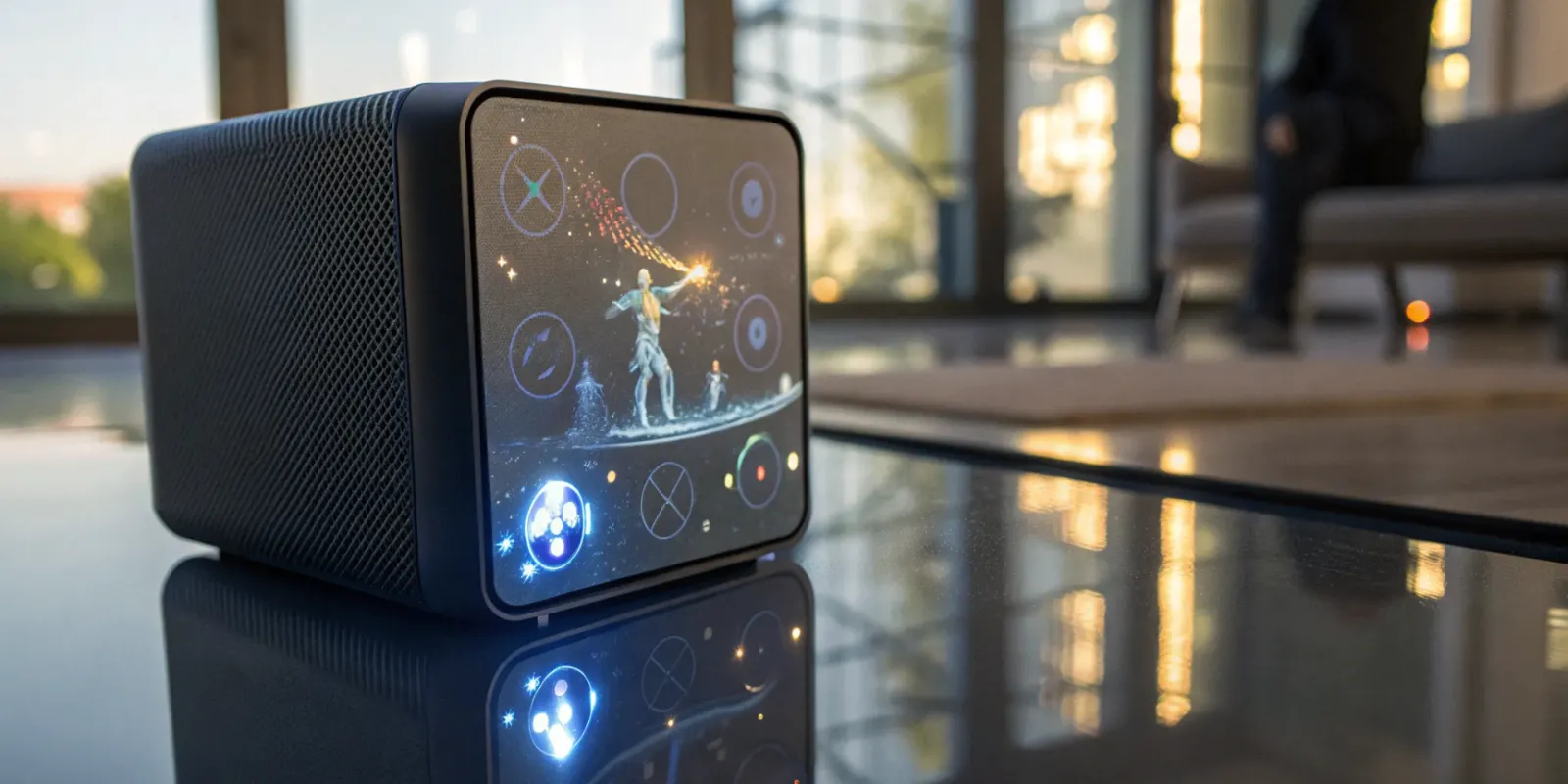
On the higher-tech end of the spectrum, you'll find smart labels and digital displays. These can include everything from the QR codes and AR triggers we've discussed to small, embedded screens that play videos or display changing information. Think of a label that lights up when touched or a box that shows a personalized message. While these options often require a bigger investment, they offer a futuristic and highly dynamic way to communicate with your customers. They are perfect for limited-edition products or luxury goods where you want to deliver a premium, cutting-edge experience.
Why Your Brand Needs Interactive Packaging
Think of your product's packaging as the first handshake with your customer. For a long time, that handshake was pretty standard: a nice box, a cool label, and that was it. But what if that handshake could start a real conversation? That's exactly what interactive packaging does. It transforms your box, bottle, or bag from a simple container into a dynamic gateway to a digital experience. By making your packaging scannable, you invite customers to do more than just unbox a product—you invite them to engage with your brand's story, values, and community.
This isn't just about adding a fancy tech feature for the sake of it. It's a strategic way to bridge the physical and digital worlds, creating a seamless brand experience that sticks with people long after they've opened the box. When a customer can scan an image on your packaging with their phone and instantly watch a tutorial, access a special recipe, or see your brand's sustainability report, you're offering real value. You're giving them a reason to connect, and in a crowded market, that connection is everything. It's how you move from being just another product on the shelf to a brand they genuinely care about.
Create Deeper Customer Connections
Interactive packaging turns a one-way message into a two-way street. Instead of just telling customers about your product, you can show them. Imagine a customer buying a bag of coffee. With a simple scan of the packaging, they could be watching a video of the farmer who grew the beans, learning the perfect brewing method, or listening to a curated playlist that matches the coffee's vibe. This kind of brand storytelling creates a much richer, more memorable experience. It gives your product context and personality, helping you build a relationship with your customers that goes beyond the initial purchase. It's about making them feel like part of your brand's world.
Turn Customers into Loyal Fans
A great first impression is one thing, but keeping customers coming back is another. Interactive packaging gives you a powerful tool for building long-term loyalty. When a customer has a fun or useful experience with your packaging, they're far more likely to remember your brand and choose it again. You can use scannable experiences to offer exclusive content, like behind-the-scenes footage, or provide practical value, like assembly instructions or styling tips. This added engagement makes customers feel valued and appreciated, turning a one-time buyer into a loyal fan who feels invested in your brand. These are the people who will not only buy from you again but also tell their friends about you.
Gain Valuable Customer Insights
One of the most powerful aspects of interactive packaging is the ability to learn directly from your audience. When customers scan your packaging to access content, you get immediate feedback on what they find interesting. You can track which videos they watch, which articles they read, and which offers they redeem. This data is gold. It gives you direct customer insights into their preferences and behaviors, allowing you to refine your marketing messages, improve your products, and create even better experiences in the future. It's like having a focus group available 24/7, helping you make smarter, data-driven decisions for your brand.
Make a Sustainable Choice
Today's consumers, especially younger generations, care deeply about sustainability. Interactive packaging can be a key part of your brand's green strategy. Instead of printing bulky instruction manuals, ingredient lists, or promotional inserts, you can provide all that information digitally through a simple scan. This reduces paper waste and minimizes your environmental footprint. You can also use the digital experience to tell your sustainability story, showing customers exactly how your products are made or how to properly recycle the packaging. This transparency not only appeals to eco-conscious shoppers but also positions your brand as a modern, responsible leader in your industry.
Measure Your Success (ROI)
As with any marketing effort, you want to know if it's actually working. The beauty of interactive packaging is that its impact is highly measurable. You can track key metrics like the number of scans, engagement rates with your digital content, and even conversions driven directly from the packaging. For example, you can see how many people scanned a package and then signed up for your newsletter or made another purchase. This allows you to calculate a clear return on investment (ROI) and prove the value of your creative efforts. It takes the guesswork out of your strategy and shows you exactly how your packaging is contributing to your bottom line.
Tackle Common Implementation Challenges
Bringing an interactive experience to life is exciting, but let's be real—it comes with a few hurdles. Thinking through these common challenges ahead of time will save you headaches down the road and help you create a campaign that truly connects with your audience. From budget constraints to technical glitches, here's how to handle the most frequent obstacles so you can focus on creating something amazing.
Manage Your Budget
The word "interactive" can sound expensive, but it doesn't have to be. Thanks to new printing technologies and accessible platforms, you don't need a massive budget to get started. Instead of building a custom app from the ground up, you can use existing tools to create powerful scannable experiences. The key is to focus your spending on what matters most: a great design and a compelling digital destination. By choosing a streamlined solution, you can invest your resources in high-quality visuals and content, which is what your customers will remember long after the unboxing is over.
Get the Technology Right
Interactive packaging works by blending great design with the right technology. While some brands use complex options like illuminated boxes or light-up cards, the most effective tech is often the simplest. Your goal is to create a seamless bridge between your physical product and your digital world. This is where scannable imagery comes in. By turning your existing product visuals into a gateway for content, you avoid forcing customers to download a new app or learn a new behavior. The best technology feels invisible and makes the customer journey feel magical, not complicated.
Choose Sustainable Materials
As you design your packaging, think about its entire lifecycle. Your customers care about sustainability, and your choices here can make a big difference. Packaging that uses too many different materials, heavy glues, or embedded electronics can be difficult or impossible to recycle. Instead, look for ways to keep the physical package simple and eco-friendly. You can place the interactive element on the main design, allowing the digital experience to provide the "wow" factor without creating extra waste. This approach lets you deliver a rich, engaging story while still using sustainable packaging materials.
Ensure a Flawless Experience
Nothing kills excitement faster than a clunky user experience. If scanning a code is difficult or the digital content is slow to load, customers will get frustrated and abandon the effort. The interaction should feel simple, intuitive, and rewarding. Before you launch, test the experience thoroughly on different devices and in various lighting conditions. Ask yourself: Is it obvious what the customer is supposed to do? Does the digital content deliver on the promise made on the packaging? A smooth, user-friendly experience is non-negotiable for success.
Keep Your Experience Secure
When you invite customers to interact with your brand digitally, you also take on the responsibility of keeping them safe. The link or digital destination connected to your packaging must be secure to protect both your brand's reputation and your customers' data. Using a trusted platform to create and host your interactive experiences is crucial. This ensures that your scannable codes can't be hijacked and that the customer's journey from the physical product to your digital content is protected every step of the way. Prioritizing digital security builds trust and gives customers the confidence to engage with your brand.
Create an Experience People Love
Adding a scannable element to your packaging is just the first step. The real magic happens when you design an interaction that feels special, valuable, and genuinely fun for your customers. It's about more than just linking to your website; it's about extending the story of your brand beyond the physical product. Think of your packaging as the opening line of a conversation. Your goal is to make it so compelling that your customer can't wait to see what you'll say next.
Start with Smart Design
Great interactive packaging begins with thoughtful design. The goal is to make the experience feel intuitive, not like a puzzle your customer has to solve. Your design should naturally guide their attention to the interactive element, making them curious to scan it. Think about placement, color, and clear instructions. The interaction should feel like a seamless part of the unboxing, not an afterthought. When the packaging design is clean and the call to action is clear, people are far more likely to engage and discover the world you've built around your product.
Focus on the User Experience (UX)
Before you build anything, put yourself in your customer's shoes. What would make them want to pull out their phone and scan your product? The experience you offer needs to provide real value. This could be a helpful video tutorial, an exclusive discount, a fun AR filter for social media, or access to a special community. A great user experience is frictionless. Ensure your scannable code works instantly and that the destination loads quickly on a mobile device. If the process is slow or confusing, you'll lose their interest.
Test, Learn, and Improve
You don't need a massive budget or a custom-built app to create an amazing interactive experience. Platforms like IRCODE let you build and manage your campaigns easily, so you can focus on the creative side. Before you launch, test your packaging relentlessly. Scan it with different phones, in different lighting, and make sure the experience works perfectly every time. Once it's live, pay attention to the data. See what's working and what isn't, and don't be afraid to tweak your campaign to make it even better.
Listen to Your Audience
Interactive packaging creates a powerful two-way street for communication. It's not just about you talking to your customers; it's about giving them a way to talk back. Use your interactive experience to invite feedback. You could link to a simple survey, ask for a product review, or encourage them to share their experience on social media using a specific hashtag. This turns a simple transaction into a relationship. When you actively listen to your customers, you gain priceless insights that can help you build a stronger brand and a loyal community.
Give Modern Consumers What They Want
Today's shoppers are looking for more than just a product; they want an experience. They want to feel connected to the brands they support, understand their values, and engage with them in meaningful ways. This is where interactive packaging moves from a nice-to-have to a must-have. It's a direct line to your customer, offering them a chance to play, learn, and connect with your brand right from the moment they hold your product in their hands. It transforms the static, physical object into a dynamic, digital portal.
By embedding technology directly into your packaging, you're not just selling an item—you're delivering a story, a tutorial, or a personalized message. This approach meets the modern consumer's expectation for digital integration in every part of their lives. It shows that you understand their world and are willing to innovate to be a part of it. Whether it's through a scannable image that reveals a recipe, an AR filter that brings your mascot to life, or a behind-the-scenes look at how the product was made, you're giving them a reason to remember you long after they've unboxed their purchase. This isn't just about being clever; it's about building a relationship that lasts and turning a one-time buyer into a loyal advocate.
Connect with Every Generation
Interactive packaging isn't just for one demographic—it's a powerful tool for building bridges across different age groups. For digitally native generations like Gen Z and Millennials, a scannable experience feels intuitive and exciting. It's the kind of digital discovery they already love. For older generations, it can be a delightful surprise that simplifies their experience, offering easy access to instructions, product origins, or customer support without needing to search online. The key is that interactive packaging invites participation. When a customer physically engages with your product, it creates a stronger mental and emotional connection, making your brand more memorable and distinct from the competition on the shelf.
Offer Sustainable Options
Consumers, especially younger ones, are increasingly making purchasing decisions based on a brand's environmental impact. Interactive packaging can be a fantastic way to demonstrate your commitment to sustainability. Instead of printing bulky manuals, extra promotional inserts, or detailed ingredient lists on the box, you can embed that information in a scannable code. This simple shift reduces paper consumption and packaging waste. You can also use the interactive experience to tell your sustainability story, showing customers exactly how your products are made or how to properly recycle the packaging. It's a win-win: you reduce your footprint while transparently communicating your eco-friendly values to an audience that truly cares.
Make It Personal
Generic, one-size-fits-all marketing is losing its impact. People crave personalization, and interactive packaging is one of the best ways to deliver it. Imagine a customer scanning their product to unlock a personalized thank-you video from the founder, a custom playlist that fits the product's vibe, or a special discount on their next purchase. Technologies like AR can even overlay personalized messages onto the product itself. These tailored touches make your customer feel seen and valued as an individual, not just as another order number. This kind of personal connection transforms a simple transaction into a memorable brand moment, fostering genuine loyalty and encouraging them to share their unique experience with others.
Integrate Tech Seamlessly
The magic of great interactive packaging is when the technology feels invisible. The experience should be so smooth and intuitive that the customer doesn't have to think about how it works—they just enjoy it. The goal is to remove any friction. This means no clunky app downloads or confusing instructions. Instead, the interaction should feel like a natural extension of the product itself. When you combine smart design with technology, you create an engaging experience that feels effortless. By making the image the code, for example, you're inviting curiosity and making the discovery process simple and fun, ensuring the focus stays on your brand's story.
What's Next for Interactive Packaging?
The world of packaging is changing fast. It's no longer just a box to hold a product; it's becoming a key part of the customer experience. As technology gets smarter and customer expectations grow, brands are finding new ways to make their packaging work harder. The future is about creating a seamless blend of the physical product and the digital world, turning every package into a new opportunity for connection. From sustainability to personalization, the trends shaping what's next are all about creating a more engaging and meaningful interaction between a brand and its audience.
New Tech on the Horizon
Get ready for packaging that does more than you can imagine. We're seeing the rise of designs that create engaging, memorable brand experiences through technology like illuminated boxes and light-up labels. While these innovations are exciting, they often come with a high price tag. The good news is that powerful interactive experiences don't have to be complex or costly. Technologies like IRCODE allow you to embed rich, scannable content directly onto your existing designs. This makes the future of interactive packaging accessible to everyone, letting you connect with customers through the visuals they already love without needing a total product overhaul.
How Customer Habits Are Changing
Today's customers want more than just a product; they want an experience. They are drawn to brands that tell a story and invite them to be part of it. Interactive packaging is the perfect way to connect with customers on a deeper level, making your product stand out in a crowded market. When someone can scan your packaging to watch a tutorial, learn about your brand's mission, or access exclusive content, you're not just selling them an item—you're building a relationship. This shift in consumer behavior means that interactive elements are quickly moving from a "nice-to-have" feature to an essential part of brand strategy.
The Push for Greener Innovation
As we look to the future, sustainability is non-negotiable. Consumers, especially younger generations, are actively seeking out brands that prioritize the planet. They expect packaging that is minimal, recyclable, and thoughtfully designed. This presents a unique opportunity for digital innovation. By embedding interactive experiences directly into your packaging, you can reduce the need for extra paper inserts, manuals, and promotional flyers. An IRCODE, for example, can house all that information and more within a single, clean design. This approach allows you to deliver rich content while demonstrating your commitment to sustainable, simple, and well-designed packaging.
Evolving Industry Standards
The standards for what makes "good" packaging are being rewritten. A box is no longer just for protection; it's a powerful communication tool that shapes how people see your brand. High-quality, thoughtful packaging can make people feel connected to a brand and even influence their perception of the product's quality. As this trend continues, the industry standard will move toward packaging that is both beautiful and functional, physical and digital. Brands that embrace this holistic approach will be the ones that build lasting loyalty and define the next generation of product presentation.
Frequently Asked Questions
Do I need a big budget to create interactive packaging?
Not at all. While some high-tech options like embedded screens can be pricey, creating a powerful scannable experience is more accessible than ever. The key is to use a platform that lets you turn your existing package design into the interactive element. This way, you can focus your budget on what truly matters: creating great digital content that your customers will find valuable and fun.
How is this different from just putting a QR code on my box?
Think of it as an upgrade in both design and experience. A QR code is a separate, functional box that you have to add to your design, which can sometimes feel clunky. Technologies like IRCODE transform your actual product image or logo into the scannable trigger. This creates a much cleaner look and a more magical, seamless experience for the customer, as they get to interact directly with your branding.
What if my customers don't bother to scan the package?
This is a valid concern, and it all comes down to two things: curiosity and value. Your packaging design should make it clear that there's something exciting to discover, perhaps with a simple prompt like "Scan to see our story." More importantly, the experience you link to must be worth their time. An exclusive discount, a helpful tutorial, or entertaining content gives them a real reason to pull out their phone.
I'm not a tech expert. Is this going to be too complicated for me to set up?
You definitely don't need to be a developer to make this happen. Modern platforms are built for creators and business owners, not coders. The process is typically very straightforward: you upload the image you want to make scannable and then paste the web link you want it to lead to. It's designed to be simple so you can focus on the creative side of your campaign.
What kind of digital experience should I create? I'm not sure where to start.
The best experiences offer either utility or entertainment. You could create a short video showing customers how to get the most out of your product or share a behind-the-scenes look at how it was made. Other great ideas include linking to a curated music playlist that fits your brand's vibe, offering a special recipe, or providing an easy way to reorder. Start by thinking about what would make your customer's day a little better or more interesting.