How to Leverage Second Screen Engagement for TV Ads
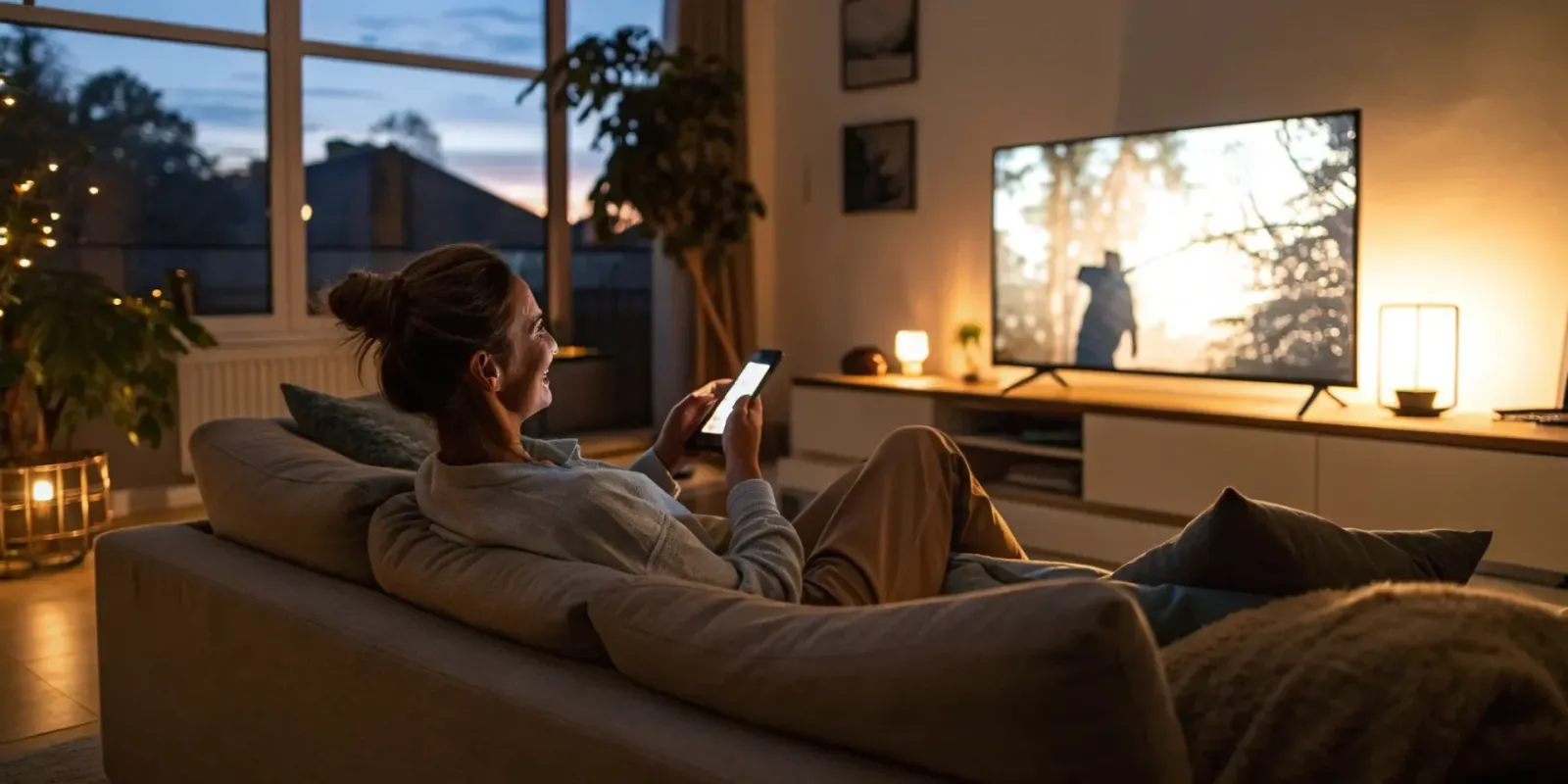
Your biggest competition during a TV ad isn't another commercial—it's the device in your viewer's hand. That device, however, can also be your greatest asset. Think of it as a bridge that can turn a viewer's fleeting interest into immediate, measurable action. When someone sees a product they like, they no longer have to remember it for later; they can search for it right then and there. A powerful second screen engagement for TV ads strategy closes this gap between inspiration and interaction, making it incredibly easy for someone to go from seeing your brand on TV to exploring it on their phone.
Key Takeaways
- Turn Distraction into Interaction: Your audience is already on their phones while watching TV. Instead of fighting for their undivided attention, use the second screen to invite them into a conversation with interactive polls, games, or exclusive content.
- Make Your Content a Valued Companion: The best second-screen strategy enhances the main viewing experience, it doesn't compete with it. Ensure your content is perfectly timed and relevant, offering something that adds value and feels like a natural extension of the show or ad.
- Connect Every Action to a Clear Goal: A creative campaign is only great if it works. Define what success looks like—whether it's sales, leads, or social media growth—and track the specific metrics that prove your second-screen efforts are delivering real results.
What is Second Screen Engagement?
Ever find yourself scrolling through your phone while your favorite show is on? That's second screen engagement. It's the simple act of using a smartphone, tablet, or laptop while watching television. For a long time, advertisers saw this as a distraction—a sign that their expensive TV spot was losing the battle for attention. But that perspective has completely flipped. Today, this behavior is the new normal, and it represents a massive opportunity for brands to connect with viewers in a more meaningful way.
Instead of competing for divided attention, smart brands are learning to embrace it. They see the second screen not as a competitor, but as a direct bridge to the viewer. It's a backchannel for conversation, a real-time search engine, and an instant point of sale, all sitting right in the palm of your audience's hand. Think of it this way: your TV ad can spark interest, but the second screen is where that interest turns into action. By creating experiences that connect what's happening on the big screen with the small one, you can turn a passive viewer into an active participant. This is where you can build a deeper connection and invite your audience to do more than just watch.
How We Watch TV Now
If you're using a second screen, you're in good company. It's not a niche habit anymore; it's how most of us watch TV. Recent studies show that 88% of Americans use another device while watching television, and that number climbs even higher for younger audiences, with 94% of Gen Z and 95% of Millennials multitasking. This isn't just a fleeting trend—it's a fundamental shift in our media consumption habits. The days of the entire household gathering to give their undivided attention to a single screen are behind us. Viewers are now curators of their own layered experiences, actively seeking out more information, connection, and entertainment.
The Way Second Screens Change Viewer Behavior
The second screen has transformed TV viewing from a passive pastime into an interactive and social experience. Viewers aren't just sitting back on the couch; they're leaning in. When a new character appears, they look them up online. When a shocking plot twist happens, they jump on social media to see what others are saying. And when an ad features a product that catches their eye, they immediately search for it. This active engagement means your audience is primed for action. They are no longer just receiving your message—they are ready and willing to respond to it in real time, creating a dynamic conversation between your brand and your viewers.
Juggling Multiple Devices
We've become experts at juggling multiple devices at once. This behavior is so common that about 65% of people report using their second device to look up products or compare prices right after seeing them on TV. Think about that: a majority of viewers are using their phones to act on the impulse an ad creates. This makes a cohesive second-screen advertising strategy absolutely essential. If a viewer is inspired by your TV ad, the path to their phone should be seamless. The goal is to close the gap between inspiration and action, making it incredibly easy for someone to go from seeing your product on TV to exploring it on their device.
Why Second Screens Matter for Your Brand
Let's be honest: when people watch TV, they aren't just watching TV. They're also scrolling, texting, and shopping on their phones, tablets, or laptops. For a long time, marketers saw this divided attention as a problem to solve. But what if the second screen isn't a distraction from your message, but a direct line to it?
This shift from passive viewing to active participation is a huge opportunity. Instead of fighting for your audience's undivided attention, you can meet them where they are. The second screen is a bridge that can turn a one-way broadcast into a two-way conversation. It allows you to extend your story beyond the 30-second spot, inviting viewers to play, explore, and connect with your brand in a way that a traditional ad simply can't. By embracing this behavior, you can create a more dynamic and memorable experience that captures both the eyes on the big screen and the fingers on the small one.
The New Reality for TV Ads
The classic TV ad break was built for a captive audience. Today, that audience has a powerful escape route in the palm of their hand. But that escape route can also be an entrance. Second screens have fundamentally changed how we watch TV, making it a more social and interactive experience. This isn't just a distraction; it's your chance to create a richer, omnichannel experience for your audience. Your TV ad can be the hook that prompts viewers to pick up their phones and dive deeper—whether it's to get a special offer, learn more about a product, or join a conversation about what they're watching.
Where Viewer Attention Really Goes
If you think your biggest competition is the other ads in the commercial block, think again. Your real competition is the endless scroll of social media, the group chat buzzing with commentary, and the quick online search for an actor's name. In fact, research shows that as many as 88% of Americans use a second screen while watching TV. Fighting for 100% of their focus on the television is a losing battle. The smarter strategy is to accept where their attention is and use it to your advantage. By integrating a second-screen element into your ad, you're no longer interrupting their scrolling—you're becoming a part of it.
Create Real Connections with Viewers
The true power of the second screen is its ability to foster genuine interaction. A TV ad can show someone your product, but a second screen experience can let them engage with it. This is where you can build real relationships. Second screens open up new ways to connect with viewers through interactive polls, personalized content, and real-time social discussions. Using interactive features doesn't just get you more clicks; it significantly improves how much viewers engage with your content and how well they remember your brand. You're no longer just a company on their screen; you're a brand they've had a conversation with.
How to Create Content for the Second Screen
The key to a great second screen strategy is creating content that complements what's happening on TV, not competes with it. You're not trying to pull viewers away from the main event; you're aiming to make their experience richer and more interactive. Think of it as adding a new layer to the story. Instead of just watching, your audience can now participate, explore, and connect with your brand in a tangible way. This is your chance to go beyond the 30-second spot and build a real conversation. The right content can turn passive viewers into active participants who are genuinely excited to engage with what you have to share.
Add Interactive Polls and Quizzes
People love sharing their opinions and testing their knowledge. Polls and quizzes are a simple yet powerful way to tap into that. During a live event, you could ask viewers to vote on the best play or predict the winner. If you're running a commercial for a new product, you could create a fun quiz about its features, offering a discount to everyone who participates. The goal is to make interaction feel like part of the entertainment. You can use fun features like quizzes and voting to keep viewers engaged and give them a reason to connect with your brand right in the moment.
Turn Viewing into a Game
Gamification is about adding elements of play to non-game activities, and it's a fantastic way to hold someone's attention. You can turn your ad break into a mini-game or a digital scavenger hunt. For example, you could hide a clue in your TV commercial that viewers can only solve using a link on their phone. According to UIC Digital, gamified ads can significantly increase how much people interact with them. By making your ad an experience rather than an interruption, you create a more memorable and positive connection with your audience. It's a fun way to encourage participation and keep your brand top of mind.
Offer Exclusive Behind-the-Scenes Access
Everyone loves feeling like an insider. Offering exclusive content on a second screen is the perfect way to create that feeling. While your ad is playing on TV, you can give viewers a look at behind-the-scenes footage from the shoot, interviews with the cast, or a director's commentary. A great strategy is to offer extra content like real-time stats for sports or interactive apps for shows. This bonus material rewards viewers for their attention and deepens their connection to your brand's story. It makes them feel valued and gives them a compelling reason to look at their second screen.
Encourage Fans to Create Content
Your audience can be your best content creators. Encouraging them to generate their own content turns passive viewing into an active, community-building event. You can use your TV spot to launch a social media challenge or a photo contest with a unique hashtag. For example, ask viewers to share how they use your product or to recreate a scene from your ad. You can then feature the best submissions on your social channels. Hosting live discussions and contests related to your content is a proven way to get people involved. This not only creates authentic social proof but also makes your fans feel like a core part of your brand's community.
Build Your Second Screen Strategy
Turning a passive TV viewer into an active participant doesn't happen by accident—it requires a plan. A great second screen strategy bridges the gap between what's on the big screen and the device in your audience's hands. It's about creating a cohesive experience that feels intentional and adds real value. By thinking through your goals, platforms, and content ahead of time, you can build a campaign that captures attention and encourages people to connect with your brand in a meaningful way.
Define Your Goals
Before you create a single poll or post, ask yourself: What do you want to achieve? Your goals will shape every other decision you make. Are you trying to drive sales for a specific product shown in the ad? Maybe you want to grow your email list or social media following. Or perhaps the goal is simply to create a memorable brand moment. A clear objective is your North Star. Effective second screen strategies are known to increase how much people engage with content, leading to higher viewer retention and stronger brand loyalty. Knowing your desired outcome helps you measure success and ensures your efforts are focused on what truly matters.
Choose and Connect Your Platforms
Your audience is already using their phones, tablets, and laptops while watching TV, so your job is to meet them where they are. Think about which platforms they use most. Is your demographic active on Instagram, X (formerly Twitter), or TikTok? Or would a dedicated microsite or app provide a better experience? You don't need to be everywhere, but you do need to be on the platforms that make sense for your brand and your audience. The key is to create a connected ecosystem where each platform works together to support the main message on the TV screen, creating a seamless second screen marketing experience.
Plan and Sync Your Content in Real Time
Timing is everything. The content on your second screen needs to appear at the exact moment it becomes relevant to what's happening on TV. This requires careful planning and the right tools. For example, you could schedule social media posts to go live the second your ad airs or use technology that triggers a mobile experience when viewers scan an on-screen code. Make sure your messaging and visuals are consistent across all devices to avoid confusion. A unified look and feel reinforces your brand and makes the entire experience feel polished and professional, turning a simple TV ad into a fully immersive event.
Get the Tech Right
A brilliant idea can fall flat if the technology behind it is clunky. Any website or app you direct viewers to must be designed to work perfectly on mobile devices. This means your content should load quickly and be easy to read and interact with on a smaller screen. Friction is the enemy of engagement. Instead of asking viewers to type in a long URL, you can make the experience instant. An interactive image on the TV screen can be scanned with a phone, taking viewers directly to your exclusive content, a special offer, or a shoppable page without any hassle.
Weave in Social Media
Social media is the natural home for real-time conversation, making it a perfect partner for your second screen strategy. Use platforms like X or Instagram to host live discussions, run interactive polls, or launch contests related to your TV ad. Ask questions, encourage viewers to share their opinions with a specific hashtag, and feature their responses. This approach transforms passive viewing into an active, shared experience. By inviting your audience into the conversation, you're not just showing them an ad; you're building a community around your brand and making them feel like part of the story.
How to Measure Your Success
A creative second-screen strategy is exciting, but it's only as good as the results it drives. So, how do you know if your campaign is actually working? It all comes down to tracking the right metrics. When you measure your success, you move from guessing to knowing, which allows you to refine your approach and prove the value of your efforts. It's not just about seeing if people participated; it's about understanding how they participated and what that means for your brand. This is where you connect the dots between a fun, interactive experience and tangible business goals, whether that's increased sales, stronger brand loyalty, or a bigger audience.
By focusing on a few key areas, you can get a clear picture of your campaign's performance and make smarter decisions for the next one. Think of these metrics as your feedback loop, telling you what your audience loves and where you have an opportunity to improve. From direct clicks to social media buzz, each data point helps paint a complete picture of your campaign's impact. Let's break down the essential metrics that show you what's resonating with your audience and what might need a little tweaking.
Track Engagement and Interactions
It's about more than just how many people tuned in; you want to know who leaned in and interacted. True engagement goes beyond passive viewing. Are people answering your polls, playing your game, or downloading your exclusive content? These actions are strong indicators of interest. Successful second screen strategies are known to increase viewer retention and build stronger brand loyalty because they create an active experience. Look at metrics like poll completion rates, quiz scores, and the amount of time people spend on your second-screen site or app. These numbers tell a story about how captivating your content really is.
Monitor Click-Throughs
When you ask your audience to do something, are they actually doing it? The click-through rate (CTR) is a simple yet powerful metric that answers this question. It measures the percentage of people who clicked on your link, button, or call to action. To see if your second-screen ads are effective, you can track your Click-Through Rates. A high CTR shows that your offer is compelling and your message is clear. A low CTR, on the other hand, is a sign that you might need to adjust your call to action, your visuals, or the offer itself. It's a direct piece of feedback on how well you're motivating your audience to take the next step.
Calculate Your ROI
Engagement is fantastic, but you also need to know if your campaign is moving the needle for your business. Return on investment (ROI) is the metric that shows you whether your second-screen efforts are worth the time and money you've put into them. This means tracking concrete outcomes like sales, sign-ups, downloads, or social media follows that can be directly attributed to your campaign. If you spent $10,000 on your second-screen campaign and generated $30,000 in sales, you've got a solid ROI. It's also helpful to compare your results with a baseline—perhaps a similar campaign that didn't include a second-screen element. This comparison helps you understand exactly what value the interactive component added.
Monitor Social Media Buzz
One of the most exciting aspects of second-screen campaigns is their ability to generate social media conversations. People love sharing their experiences and opinions, especially when they feel like they're part of something special. Track mentions of your brand, campaign hashtags, and related keywords across all social platforms. Look for both quantity and quality: Are people just mentioning your brand in passing, or are they genuinely excited about what you've created? Capturing attention with interactive elements often leads to organic sharing, which extends your reach far beyond the original TV audience. A campaign that gets people talking is a campaign that people remember.
Analyze Viewer Demographics and Behavior
Understanding who is engaging with your second-screen content is just as important as knowing how many people are engaging. Use analytics tools to break down your audience by age, location, device type, and even the time of day they're most active. This data helps you refine your targeting for future campaigns and understand which segments of your audience are most responsive to interactive content. For example, if you notice that most of your second-screen engagement comes from viewers in a specific city, you might consider regional advertising partnerships or location-specific content. The more you know about your audience's behavior, the better you can tailor your approach to meet their preferences.
Tackle Common Second Screen Challenges
Even the best second-screen campaigns face hurdles. From technical glitches to audience confusion, these challenges are part of the process—but they don't have to derail your success. Knowing what to expect and having a plan for the most common issues can save you time, money, and frustration. The key is to be proactive, test thoroughly, and always have a backup plan. Let's walk through the most frequent problems and their solutions, so you can handle anything that comes up with confidence.
Solve Technical Difficulties
Nothing kills the excitement of an interactive campaign like a broken link or a crashed server. When viewers are excited to engage, they expect everything to work instantly and smoothly. Technical problems can happen at any stage—from slow loading times to compatibility issues across different devices. The best defense is to stress-test everything before you go live. This means testing your website or app on multiple devices, browsers, and network speeds. Run a simulation where a large number of users hit your site at the same time to make sure your servers can handle the traffic. If you're using tools like IRCODE for interactive image scanning, double-check that all your linked content is accessible and optimized for mobile viewing.
Overcome User Experience Confusion
If viewers don't understand what they're supposed to do, they won't do it. Clarity is everything when it comes to second-screen experiences. Your call-to-action should be crystal clear—tell people exactly what to scan, where to find it, and what they'll get when they do. Use simple language and visual cues to guide them through the process. Test your instructions with a small group before launching to identify any potential confusion points. Remember, your audience might be multitasking and only half-focused, so your directions need to be impossible to miss or misinterpret. The simpler and clearer your instructions, the higher your participation rate will be.
Navigate Timing Issues
Timing can make or break a second-screen campaign. If your interactive content goes live too early or too late, you'll miss the moment when your audience is most engaged. Synchronization is especially critical for live events or time-sensitive campaigns. Create a detailed timeline that accounts for different time zones if you're running a national campaign. Use scheduling tools to automate your content release, but always have a team member monitoring in real-time to catch any timing errors. For campaigns tied to specific TV commercials, work closely with your media team to ensure your digital activation coincides exactly with your on-air time.
Handle Low Participation Rates
Not every campaign will be a viral hit, and that's okay. But if your participation rates are consistently lower than expected, it's time to investigate why. Start by examining your call-to-action. Is it compelling enough? Is the reward or content worth the effort? Sometimes the issue is visibility—your scannable element might be too small or poorly placed. Other times, it's relevance—the digital content might not match what viewers expect based on your TV ad. Interactive print campaigns that enhance the experience tend to perform better than those that feel disconnected from the main content. Review each step of your user journey and identify where people might be dropping off, then make targeted improvements.
Keep Up with Technology Changes
The digital landscape changes fast, and what works today might not work tomorrow. New devices, updated operating systems, and shifting user preferences can all impact your second-screen strategy. Stay informed about trends in mobile technology, social media platforms, and consumer behavior. Make sure your team is regularly updating and testing your interactive elements to ensure they remain compatible with the latest technology. Consider working with tech partners who specialize in interactive media and can keep you ahead of the curve. The goal is to future-proof your campaigns as much as possible while remaining flexible enough to adapt when needed.
Real-World Examples and Case Studies
Sometimes the best way to understand the power of second-screen engagement is to see it in action. These real-world examples show how different brands have successfully bridged the gap between TV and mobile devices, creating memorable experiences that drive genuine results. From major sporting events to everyday product launches, these campaigns demonstrate the versatility and effectiveness of well-executed second-screen strategies. Let's look at what worked, why it worked, and what lessons you can apply to your own campaigns.
Sports and Live Events
Sports broadcasting and second-screen engagement are a perfect match. During the Super Bowl, for example, viewers often use their phones to vote on which commercials they like best, participate in prediction games, or access real-time player stats. NBC's coverage of the Olympics has incorporated second-screen experiences that let viewers dive deeper into athlete profiles, watch alternative camera angles, and participate in live polls about performances. These strategies work because they enhance the viewing experience without competing with it. Viewers get more information and interaction opportunities while still enjoying the main event. The key is timing these interactions during natural breaks in the action, so they feel like a valuable addition rather than a distraction.
Retail and E-commerce Campaigns
Retail brands have found creative ways to turn TV commercials into instant shopping opportunities. Target has run campaigns where viewers can scan items shown in commercials to instantly add them to their online cart or wish list. Similarly, fashion brands have used second-screen experiences to show outfit details, styling tips, and purchase links for items featured in their TV ads. These campaigns are successful because they capitalize on immediate interest. When someone sees something they like on TV, they can act on that impulse right away, rather than hoping to remember it later. The seamless transition from inspiration to purchase reduces friction and increases conversion rates.
Entertainment and Media
Entertainment companies have mastered the art of extending their stories beyond the screen. TV shows like "The Walking Dead" have created companion apps that provide character backstories, interactive maps, and exclusive content that airs alongside episodes. Movie studios have used second-screen experiences to offer behind-the-scenes footage, director commentary, and interactive trivia during promotional campaigns. These approaches work because they give fans more of what they already love. Instead of interrupting the entertainment experience, they enhance it, creating deeper engagement and stronger emotional connections with the content and brand.
Social Media Integration Success Stories
Many successful second-screen campaigns have used social media as their primary platform. During live television events, brands encourage viewers to use specific hashtags, participate in Twitter polls, or share photos using campaign-specific filters on Instagram or TikTok. Coca-Cola's "Share a Coke" campaign extended to second-screen experiences where viewers could create personalized virtual Coke bottles while watching TV and share them across social platforms. These campaigns succeed because they tap into the natural social aspect of watching television. They give viewers a way to connect with others who are watching the same content, creating a sense of community and shared experience around the brand.
Tips for Getting Started
Ready to create your first second-screen campaign? The key is to start small, learn from your results, and gradually scale up your efforts. You don't need a massive budget or complicated technology to begin—some of the most effective campaigns start with simple, focused ideas that are executed well. Think of your first campaign as a test run that will teach you valuable lessons about your audience and your approach. Here's how to get started on the right foot and set yourself up for success.
Start with Simple Goals
Your first second-screen campaign should have one clear, achievable objective. Instead of trying to drive sales, increase social media followers, collect email addresses, and boost brand awareness all at once, pick one primary goal and focus on that. Maybe you want to increase traffic to your website, or perhaps you want to grow your email list by 500 subscribers. A focused goal makes it easier to create content, measure success, and learn what works for your audience. As you gain experience and confidence, you can create more complex campaigns with multiple objectives. Starting simple also helps you avoid overwhelm and ensures you can execute your plan well rather than spreading yourself too thin.
Test on a Small Scale First
Before launching a national TV campaign with second-screen elements, try your concept on a smaller scale. This could mean testing during a local TV spot, a specific time slot, or with a limited audience segment. Small-scale testing lets you identify and fix problems before they become expensive mistakes. You can test everything from your call-to-action wording to your website's ability to handle traffic spikes. Pay attention to user feedback and engagement metrics during your test phase. This information is incredibly valuable for refining your approach before you invest in a larger campaign. Think of testing as buying insurance for your bigger investment—it's a small cost that can prevent much larger problems down the road.
Use Analytics from Day One
Even if you're starting small, set up proper tracking and analytics from the beginning. This means using tools like Google Analytics, social media insights, and any platform-specific metrics available through services like IRCODE. Establishing a baseline of data from your first campaign gives you something to compare against as you evolve your strategy. Track basic metrics like clicks, engagement rates, time spent on your content, and conversion rates. Don't get overwhelmed by trying to track everything—focus on the metrics that directly relate to your campaign goal. Good data helps you understand what's working and what isn't, allowing you to make informed decisions about how to improve your next campaign.
Plan for Mobile First
Your second-screen experience needs to work flawlessly on mobile devices since that's where most of your audience will be engaging. This means designing mobile-responsive websites, keeping load times fast, and making sure all interactive elements are touch-friendly. Test your experience on different devices and screen sizes to ensure consistency. Consider the context of mobile usage, too—people might be using their phones in low-light conditions while watching TV, so make sure your text is large enough to read easily. If you're using tools like QR codes or image recognition, test the scanning process under typical viewing conditions to make sure it works smoothly. A poor mobile experience can kill engagement faster than almost anything else.
Start Building Your Community
Second-screen engagement is about building relationships, not just driving one-time actions. From your very first campaign, think about how you can nurture the people who engage with your content. This might mean following up with email sequences, creating social media groups, or developing regular content that keeps your audience coming back. Building interactive experiences that connect with your audience creates lasting value beyond a single campaign. Engaged audiences become brand advocates who are more likely to participate in future campaigns and recommend your brand to others. Start collecting contact information and building your community from day one, even if your first campaign is small.
The Future of Second Screen Advertising
The world of second-screen engagement is evolving rapidly, driven by advances in technology and changing viewer behaviors. What started as simple social media integration has grown into sophisticated, immersive experiences that blur the lines between traditional advertising and interactive entertainment. As we look ahead, several exciting trends are shaping the future of how brands connect with audiences across multiple screens. Understanding these developments can help you stay ahead of the curve and create campaigns that feel fresh and relevant.
Integration with Smart TVs and Streaming
Smart TVs and streaming platforms are creating new opportunities for seamless second-screen experiences. Instead of requiring viewers to manually scan codes or type in URLs, future campaigns may automatically sync with connected devices in the home. Imagine watching a streaming show and having your phone automatically receive additional content, polls, or shopping opportunities related to what's on screen. This technology reduces friction and makes participation effortless. Some platforms are already experimenting with features that let viewers use their phones as remote controls or content discovery tools. As these technologies mature, the barrier between the first and second screen will continue to disappear, creating more fluid and intuitive interactive experiences.
Artificial Intelligence and Personalization
AI is beginning to power more personalized second-screen experiences. Instead of showing the same content to everyone, systems can analyze individual viewing habits, preferences, and past interactions to deliver customized content in real-time. For example, during a cooking show, the AI might serve up different recipes to different viewers based on their dietary restrictions or cooking skill level. This level of personalization makes second-screen content more relevant and engaging for each individual viewer. As AI technology advances, we can expect even more sophisticated personalization that adapts not just to demographics, but to mood, context, and immediate interests.
Augmented and Virtual Reality
AR and VR technologies are opening up entirely new possibilities for second-screen experiences. Instead of just looking at content on a small screen, viewers might be able to step into virtual showrooms, try on products using AR, or explore 3D environments related to TV content. While still in early stages, these technologies are becoming more accessible and affordable. Advanced image recognition and AR integration can create immersive experiences that were impossible just a few years ago. As VR and AR headsets become more common in homes, the definition of "second screen" will expand to include these immersive technologies.
Enhanced Data and Analytics
Future second-screen campaigns will benefit from much more sophisticated data collection and analysis. This includes better understanding of cross-device behavior, real-time sentiment analysis, and predictive modeling that can suggest the best times and methods for engagement. Privacy-conscious analytics will help brands understand audience behavior without compromising individual privacy. Advanced analytics will also enable more precise attribution, helping marketers understand exactly which second-screen interactions lead to desired outcomes. This data-driven approach will make campaigns more effective and ROI more measurable.
The Rise of Interactive Commerce
Shopping directly from TV content is becoming increasingly seamless. Future second-screen experiences will likely include instant purchasing options, virtual try-ons, and real-time inventory checks. Viewers will be able to buy products they see on screen with just a few taps on their phones, without ever leaving the viewing experience. This evolution turns TV advertising from awareness-building into direct sales opportunities. Social commerce features will also become more integrated, allowing viewers to see what their friends are buying or recommending in real-time while watching the same content.
The future of second-screen advertising is about creating more natural, helpful, and engaging ways for brands to connect with audiences who are already actively multitasking. The most successful campaigns will be those that feel like valuable additions to the viewing experience rather than interruptions or distractions.