10 Types of OOH Advertising Examples to Steal
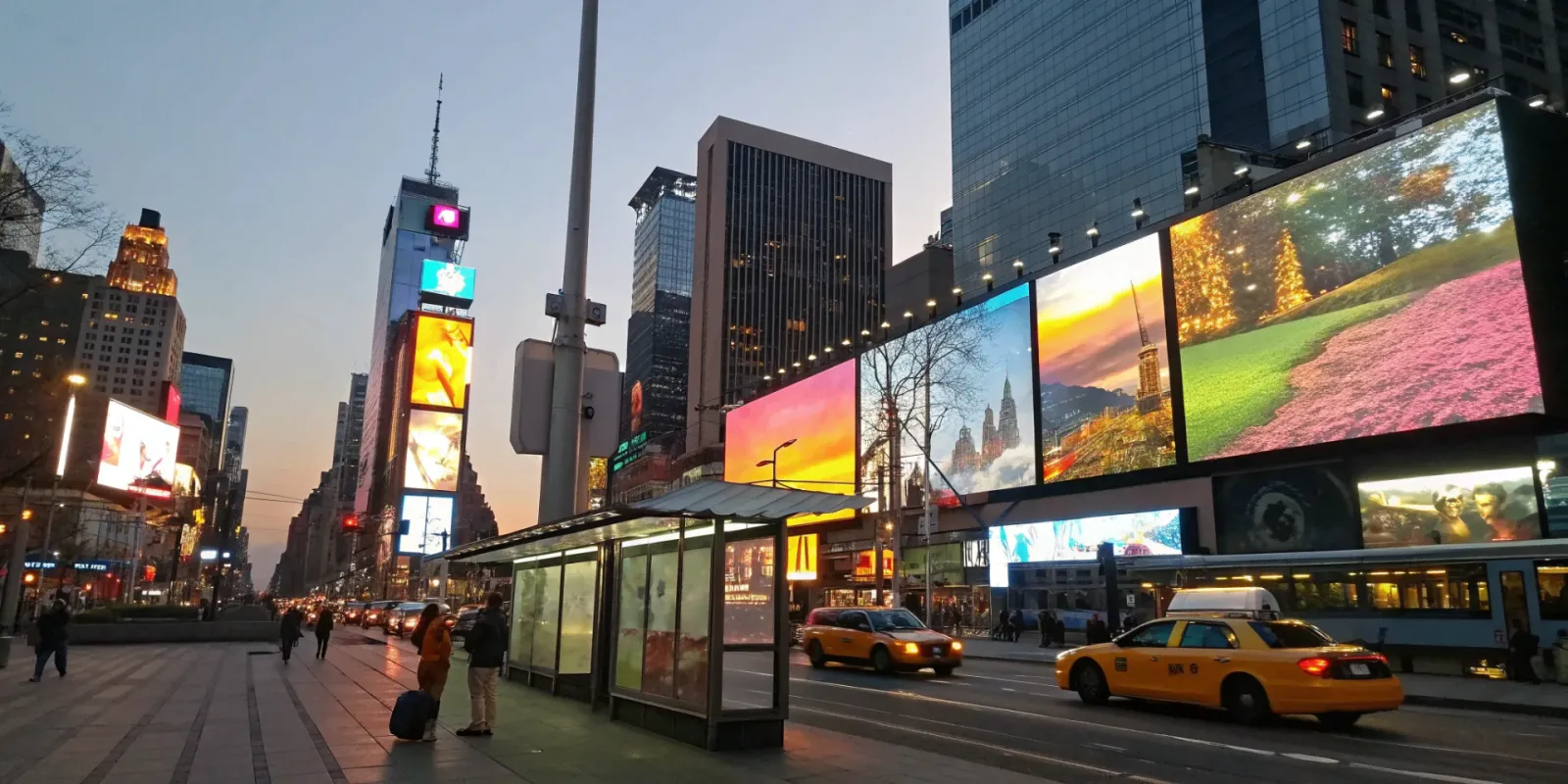
The best ads don't just broadcast a message; they start a conversation. For years, out-of-home (OOH) advertising was a one-way street, but that's completely changed. Now, a billboard or a bus shelter display can be the beginning of a direct interaction with your brand. By embedding scannable technology directly into your visuals, you can invite people to play a game, download a coupon, or watch an exclusive video right on their phones. This turns passive viewers into active participants. In this post, we'll cover the creative types of OOH advertising examples that are blurring the lines between physical and digital, and give you a playbook for creating campaigns that people actually want to engage with.
Key Takeaways
- Think Beyond the Static Billboard: Modern OOH is digital and data-driven. Use this flexibility to run timely campaigns that adapt to real-world events, ensuring your message always hits the mark.
- Place Your Message in Your Audience's Path: The best OOH ads feel like a natural part of someone's day. Choose locations and timing that align with your audience's routines to create a message that connects instead of interrupts.
- Turn Viewers into Participants: Give your audience a way to engage directly by making your ads scannable. This creates a memorable experience and provides clear, measurable data on your campaign's performance.
Why OOH Advertising Still Works
In a world saturated with digital ads you can skip, scroll past, or block entirely, out-of-home (OOH) advertising remains refreshingly present. Think billboards, bus shelter posters, and subway ads—they're part of our daily landscape. You can't turn them off. This constant visibility makes OOH advertising a strong way for businesses of all sizes to get noticed. It's a powerful tool for building brand awareness simply by being there, day in and day out, becoming a familiar part of people's routines.
But its real strength lies in its ability to create a shared, public experience. When people see your ad in the real world, it feels more tangible and trustworthy than a pop-up on a screen. It's a statement that your brand is part of the community. Modern OOH also allows you to reach specific groups of customers with surprising precision and gives you solid information about your marketing efforts. By placing ads in strategic locations, you can connect with your ideal audience where they live, work, and play. And when you make these physical ads interactive—say, by letting people scan them with their phones—you bridge the gap between their physical world and your digital one, creating a direct path for engagement and turning a passing glance into a meaningful interaction.
How OOH Advertising Has Changed
OOH advertising is no longer just about static paper posters. The game changed with the arrival of digital out-of-home (DOOH). These aren't your parents' billboards; they're massive digital screens with vibrant, moving pictures. This shift to digital means your message is incredibly flexible. You can update your creative instantly without waiting weeks for a new poster to be printed and installed. This allows you to react to current events, run timely promotions, or even change your ad based on the time of day. It's a creative field where technology and imagination come together to grab people's attention in new and exciting ways.
The Real-World Impact of OOH Ads
The best OOH campaigns do more than just advertise; they become part of the scenery and create a moment. Successful ads have turned everyday places into fun and interesting experiences, proving that OOH is a powerful way to get people's attention and share messages. But it's not just about big, creative ideas. Modern campaigns are also incredibly smart. Brands can now use data to be very precise about where and when to show ads, sometimes targeting an area as specific as the block surrounding a store. This blend of creativity and data-driven strategy is what makes today's OOH campaigns so effective at driving real-world action.
The Traditional OOH Playbook
Before we jump into the high-tech, interactive ads of today, let's start with the classics. These are the foundational plays in the out-of-home advertising world—the methods that have proven their worth for decades. They're all about being in the right place at the right time to catch someone's eye as they move through their day. Think of these as the essential building blocks for any great OOH strategy. They work because they tap into a simple truth: people are constantly moving through public spaces, and a well-placed message can make a lasting impression.
Understanding these traditional formats is key to appreciating how much the game has changed. For years, the goal was straightforward: get a message in front of as many people as possible. It was a one-way conversation where brands broadcasted their ideas to the world. While incredibly effective for building awareness, these static ads couldn't directly measure engagement or invite immediate action. They were designed to be seen and remembered, laying the groundwork for the more dynamic and interactive experiences that are now possible. These formats are still incredibly relevant, but they now serve as the canvas for a new generation of creativity.
Billboards: The Original Attention-Grabbers
There's a reason you see billboards everywhere. They are the original giants of OOH advertising, strategically placed along busy highways and in high-traffic city centers to get as many eyes on them as possible. From classic printed signs to modern digital screens and the massive "spectaculars" in places like Times Square, their goal is simple: brand exposure on a grand scale. They serve as a massive canvas for your message, ensuring thousands of people see your brand during their daily commutes. These classic OOH media types are designed to make a big, bold statement that you just can't ignore, making them a powerful tool for building widespread brand awareness.
Street Furniture: Ads on Benches and Bus Shelters
Street furniture advertising brings your message down to eye level, creating a more personal connection. This category includes ads you see on everyday public items like bus shelters, benches, newsstands, and even city trash cans. Because these ads are positioned right where people walk, wait, and gather, they feel more integrated into the cityscape. They're perfect for engaging with a local audience, whether it's pedestrians on their way to work or people waiting for their bus. This approach allows your brand to become a natural part of someone's daily routine and environment, offering a subtle yet effective way to stay top-of-mind.
Point-of-Sale: Reaching Shoppers at Checkout
Point-of-sale advertising is all about mastering location and timing. These ads are placed in specific venues where people are already in a spending mindset, such as shopping malls, movie theaters, bars, and sports stadiums. You might see them on screens near a checkout counter, on posters in a restaurant, or on displays in an elevator. The strategy here is to reach consumers at the exact moment they are about to make a purchase. By catching them in the right context, you can influence their choices and introduce them to your product when they are most receptive to discovering something new and exciting.
Transit Ads: On the Move with Your Audience
Transit advertising travels right alongside your audience. This broad category covers any ad people see while they're on the go, including placements inside and outside of buses, on subways, in airports, and on taxis or rideshare vehicles. It's an incredibly effective way to target specific geographic areas and reach a diverse group of commuters and travelers. Whether it's a full bus wrap that turns heads on the street or a simple poster inside a train car, transit ads ensure your message is seen by people as they move through their day. It's a dynamic way to keep your brand visible and connect with an audience that is constantly in motion.
Digital OOH: Ads That Think on Their Feet
Digital Out-of-Home (DOOH) is where outdoor advertising gets a major tech upgrade. Instead of a single, static image printed on a billboard, think dynamic digital screens that can change in an instant. This isn't just about showing a video loop on a bus shelter screen; it's about creating ads that are smarter, more flexible, and far more engaging. DOOH uses technology to deliver messages that can react to the time of day, the weather, or even the people walking by.
This shift turns OOH from a one-way broadcast into a potential conversation. It opens up a world of creative possibilities that traditional billboards just can't match. You can run different ads in the morning than you do at night, target specific locations with unique messages, and even invite people to interact directly with your display. It's about making your ads feel alive and relevant to the world around them, grabbing attention in a way that feels fresh and modern.
Interactive Displays: Inviting People to Play
The most exciting part of DOOH is its ability to turn passive viewers into active participants. Interactive displays invite people to do more than just look—they ask them to play, explore, and connect. This can be as simple as a touchscreen game at a bus stop or as immersive as an augmented reality filter that transforms a city square. When you give people a way to engage, the ad becomes a memorable experience rather than just another message.
This is where the physical and digital worlds can truly connect. By incorporating scannable visuals, you can turn a massive digital billboard into a personal experience on someone's phone. An IRCODE embedded in the display can let people instantly shop a look, download a coupon, or watch an exclusive video, creating a direct path from the street to your brand.
Programmatic DOOH: Automated, Targeted Ads
Programmatic DOOH brings the data-driven precision of online advertising to the real world. In simple terms, it uses software to automatically buy and place ads on digital screens based on specific criteria. This means you can stop showing the same ad to everyone and start reaching the right people at the right time. For example, a coffee brand can run ads during the morning commute, while a local restaurant can target screens in the evening near their location.
This automated approach makes OOH more efficient and effective. Instead of buying ad space for a month and hoping for the best, you can make strategic decisions based on real-world data. Digital Out-of-Home advertising that is programmatic allows brands to be more flexible, adjusting their campaigns on the fly to match changing conditions and audience behaviors.
Smart Cities: Weaving Ads into the Urban Fabric
As our cities get smarter, so does advertising. DOOH is becoming an integrated part of the urban landscape, woven into the technology that helps cities run. Think digital kiosks that offer directions and local information alongside ads, or screens on buses and trains that display real-time arrival info next to promotional content. This integration makes advertising feel less like an interruption and more like a natural part of the environment.
By providing OOH advertising solutions on public transit and in busy markets, brands can become part of a consumer's daily journey. The goal is to create a seamless experience where the ads are not just present but are also contextually relevant to the space they occupy, adding to the vibrancy and utility of public spaces.
Real-Time Updates: Ads That Change with the Moment
One of the biggest advantages of DOOH is the ability to update your creative instantly. Unlike a printed billboard that's locked in for weeks, a digital ad can change based on real-time events. A clothing retailer can switch to advertising umbrellas the moment it starts to rain. A sports team can flash live score updates during a game. A food delivery service can even show ads in specific neighborhoods where demand is high.
This responsiveness makes your message incredibly relevant. You can react to breaking news, local events, or even something as simple as the weather to make your ad feel like it's speaking directly to what people are experiencing right now. This power to use real-time data ensures your OOH campaign is always timely and impactful.
Location is Everything: Placing Your OOH Ads
The oldest rule in real estate applies just as much to advertising: location, location, location. Where you place your out-of-home ad is just as important as what it says. The right spot puts your message in front of the right people at the moment they're most likely to pay attention. Think about the mindset of your audience in different environments. Someone waiting for a train has time to kill, while a shopper in a mall is already primed to make a purchase. Each context offers a unique opportunity to connect.
Choosing your location is about understanding foot traffic, demographics, and daily routines. You want to find the places where your target audience lives, works, and plays. By placing your ads along their natural paths, your message becomes a seamless part of their day rather than an interruption. This strategic placement ensures your campaign doesn't just get seen—it gets noticed by the people who matter most to your brand. And when you add an interactive element like an IRCODE, you can turn a passing glance into a direct engagement, no matter where your ad is located.
In Malls and Retail Spaces
Placing ads in malls and other retail environments lets you connect with people who are already in a shopping mindset. These are high-intent areas where consumers are actively looking for products and are open to discovering new brands. Think beyond large banners; effective placements can be found in elevators, on digital directories, or near food courts where people take a break. These spots offer a chance to capture attention when purchase decisions are being made. By making your ad scannable, you can instantly bridge the gap between seeing your product and buying it. A shopper could scan your ad to get a limited-time coupon, see product reviews, or add an item directly to their cart for in-store pickup.
At Arenas, Theaters, and Stadiums
Arenas and stadiums offer a captive audience that's feeling excited and engaged. People are there to have a good time, creating a positive atmosphere for your brand message. You can reach thousands of people at once with large-scale digital screens, concourse posters, and even ads on drink cups or ticket stubs. This is the perfect setting for creating a memorable brand experience. Imagine fans scanning your ad on the big screen to participate in a halftime poll, enter a giveaway for seat upgrades, or download exclusive content related to the event. You're not just showing them an ad; you're adding to their fun and making your brand part of the main event.
Inside Airports and Train Stations
Transit hubs are full of people with time on their hands. Travelers often spend a good amount of time waiting, making them receptive to engaging content. Airports and train stations are ideal for ads that offer utility or entertainment. A well-placed ad in a terminal, on a baggage claim screen, or inside a train car can be a welcome distraction. You can use this opportunity to be genuinely helpful. An interactive ad could allow travelers to scan to download a city guide, check the weather at their destination, or access a free trial for an audiobook to enjoy on their journey. It turns passive waiting time into a productive, positive interaction with your brand.
On College Campuses and in City Centers
College campuses and bustling city centers are perfect for reaching specific, concentrated demographics. Campuses allow you to connect with a younger audience, while urban centers expose your brand to a diverse mix of professionals, residents, and tourists. Ads on public fixtures like bus shelters, bike-share stations, and community bulletin boards can feel like a natural part of the local landscape. This is your chance to build community and create a local buzz. A scannable poster on campus could link students to event tickets or exclusive discounts. In a city square, an interactive mural could reveal a local artist's story or an augmented reality filter, creating a shareable moment that gets people talking.
Creative OOH Ideas to Steal
Ready to move beyond the standard billboard? The most memorable out-of-home campaigns are the ones that surprise people. By using technology and a bit of clever thinking, you can create ads that feel less like interruptions and more like interesting parts of someone's day. These ideas blend the physical and digital worlds to create experiences that people will not only notice but also want to share.
Use Dynamic Content to Stay Relevant
One of the biggest advantages of digital OOH is its flexibility. Unlike a printed poster that's stuck in place for weeks, a digital screen can change its message in an instant. This allows you to create campaigns that react to the world in real time. You could display a live countdown to a product launch, change your creative based on the time of day, or even update your ad to reflect breaking news or a trending topic. This keeps your message fresh and shows your audience that your brand is paying attention. By staying current, you make your ads a relevant part of the daily conversation.
Let the Weather Write Your Ad
A clever way to use dynamic content is to let the weather dictate your creative. Imagine walking by a screen on a cold, rainy day and seeing an ad for a hot cup of soup from a nearby restaurant. It feels personal and perfectly timed. Guinness did this in Australia, running ads for its stout only when the temperature dropped, positioning it as the ideal winter beer. Similarly, Aperol only showed ads for its summery spritz when the weather was warm. These digital out-of-home advertising examples show how you can use something as simple as the forecast to make your message incredibly relevant and persuasive.
Connect Your Billboard to Social Feeds
Turn your OOH ad into a community hub by integrating live social media feeds. This creates a direct line of communication with your audience and makes your campaign interactive. The NBA, for example, used digital screens to display live playoff scores and even fan tweets, making viewers part of the action. This approach encourages people to engage with your brand online for a chance to be featured, generating valuable user-generated content. You can create a real-time conversation between your brand and its fans, all centered around a physical ad that feels alive and connected.
Create Installations People Can't Ignore
Sometimes, the best way to get noticed is to create something so visually striking it's impossible to miss. Think beyond the screen and build 3D installations or larger-than-life props that stop people in their tracks. Brands like KFC, with its giant Tower Burger, have created physical ads that become photo opportunities and local landmarks. These types of eye-catching OOH ads are designed to be shared on social media, creating organic buzz that extends far beyond the physical location. The goal is to make an impression that lasts long after someone has walked past your ad.
Your OOH Campaign Checklist
Ready to get your own Out-of-Home campaign off the ground? It's all about planning. A great OOH ad feels effortless, but it takes a thoughtful strategy to get it right. From picking the perfect spot to designing an ad that people can't help but look at, every detail matters. This checklist will walk you through the essential steps to make sure your campaign not only gets seen but also gets results. Let's break down what you need to do to create an OOH ad that truly connects with people.
Choose the Right Location
Where you place your ad is just as important as what it says. The best location is where your target audience lives, works, and plays. Think about high-traffic areas like busy intersections, public transit hubs, or popular shopping districts. The goal is to place your message where it will be seen by the most relevant people. Consider the context of the environment, too. An ad for a new coffee shop will perform better near office buildings or commuter routes than it will in an industrial park. A great location gives people a chance to pause, notice your ad, and even scan an IRCODE to learn more.
Get Your Timing Right
Timing can make or break your campaign's relevance. Think about what's happening in the world, in your city, or even just on a particular day of the week. Aligning your ad with cultural events, holidays, or seasonal trends can make it feel more personal and timely. For example, a campaign for a new iced tea could launch at the start of a summer heatwave. By tapping into these shared moments, you can create a stronger connection with your audience. This is especially powerful for digital OOH, where you can update your creative in real-time to reflect current events or promotions.
Design for a Glance
People interacting with OOH ads are usually on the move, so you have just a few seconds to make an impression. Your design needs to be bold, simple, and instantly understandable. Use a clear, concise headline—seven words or fewer is a good rule of thumb—and striking visuals. Most importantly, have a single, clear call to action. This is where an IRCODE shines. It turns your entire visual into an interactive experience, inviting people to scan and engage directly. Campaigns that encourage participation are far more memorable than static ones, so give viewers a fun and easy way to connect with your brand.
Measure Your Campaign's Impact
How do you know if your OOH ad is actually working? Measuring its impact is key. While it can be tricky to track direct sales from a billboard, you can look at other metrics. Monitor website traffic, social media mentions, or the use of a specific promo code from the ad. This is another area where IRCODE gives you a huge advantage. You can track every single scan, giving you concrete data on how many people are engaging with your ad and what actions they take next. Using this data to refine your strategy helps you understand what works and allows you to make smarter decisions for future campaigns.
What's Next for OOH?
Out-of-home advertising is getting a major tech-fueled makeover. While the classic billboard on the side of the highway still has its place, the future of OOH is dynamic, interactive, and much smarter. Think of it less as a static poster and more as a conversation starter. The line between our physical and digital worlds is blurring, and OOH is right at the center of that shift, creating new ways for brands to connect with people in the real world.
This evolution is driven by a few key trends that are changing the game. We're seeing ads that use artificial intelligence to adapt on the fly, campaigns that invite you to pull out your phone and play with augmented reality, and a seamless connection between the billboard you see on your commute and the content that appears on your social feeds later. It's all about creating a more personal, relevant, and memorable experience. And as consumers become more conscious of the brands they support, we're even seeing a push toward more sustainable and eco-friendly advertising practices. Let's look at what's on the horizon.
Smarter Ads with AI and Machine Learning
The days of a one-size-fits-all billboard are fading. Thanks to AI and machine learning, digital out-of-home (DOOH) advertising can now be incredibly intelligent. These ads use data to change their messaging based on real-world conditions like the time of day, weather patterns, or even the type of audience that's currently passing by. For example, a coffee shop could advertise hot coffee on a chilly morning and switch to iced lattes when the sun comes out in the afternoon. This isn't just a cool party trick; it's about delivering a more relevant message that helps brands reach specific goals, whether that's driving foot traffic or building brand awareness.
Blending Digital and Physical with AR
What if a poster wasn't just something you looked at, but something you could interact with? That's the promise of augmented reality (AR) in OOH advertising. By incorporating scannable elements like QR codes or interactive images, brands can turn a simple ad into an immersive experience. Imagine pointing your phone at a movie poster and watching the trailer play right on the screen, or scanning an ad for a new couch and using AR to see how it would look in your living room. These interactive OOH ads create a powerful link between the physical ad and the digital world, inviting people to engage directly with a product or story in a fun and memorable way.
Connecting Billboards to Phones
The journey no longer ends when someone walks past your billboard. One of the biggest shifts in OOH is its ability to connect with mobile devices, creating a cohesive, multi-channel campaign. This works through a process called retargeting. When someone is exposed to a digital billboard, advertisers can then serve them related ads on their phones or social media feeds later that day. For instance, DoorDash ran a campaign where they used real-time data to show ads in areas where they needed more drivers, then followed up with mobile ads to people who had seen the initial billboard. This strategy reinforces the message and keeps your brand top-of-mind long after the initial impression.
Eco-Friendly and Sustainable Ads
As consumers increasingly prioritize sustainability, brands are looking for ways to reflect those values in their advertising. The future of OOH includes a greater focus on eco-friendly practices. This can mean using recycled materials and non-toxic inks for printed ads or powering digital screens with renewable energy. It also extends to the message itself. Brands are using their OOH presence to promote green initiatives and encourage sustainable habits. For example, some campaigns have used data to target ads for electric vehicles in neighborhoods with a high concentration of EV owners, helping people make more eco-friendly choices. It's a way to show that your brand cares about its impact on the world.
Frequently Asked Questions
Is OOH advertising only for big companies with huge budgets?
Not at all. While massive digital billboards in Times Square are expensive, there are so many affordable and effective options. Think about ads at local bus shelters, posters in neighborhood cafes, or even ads on shopping carts. These smaller-scale placements can be very budget-friendly and allow you to connect with a specific local community. The key is to be strategic about where you place your ad to reach the right people without needing a massive spend.
How can I know if my OOH ad is actually working?
This used to be the biggest challenge with OOH, but technology has made it much easier. Instead of just guessing, you can include a specific call to action, like a unique discount code or a custom website link, to see how many people follow through. The most direct way is to make your ad scannable. When you use a tool like an IRCODE, you can track every single scan, giving you real data on how many people engaged with your ad and what they did next.
What's more important: a creative ad or a great location?
That's the classic question, and the honest answer is that they are a team. A brilliant ad in the wrong place will never be seen by your ideal customer, and a boring ad in a perfect location will just be ignored. If you have to prioritize, start with location, because you have to be in front of the right audience. But a simple, clear, and engaging creative is what will actually capture their attention once you're there. The two work together to make your campaign successful.
How can I make a static ad, like a traditional poster, interactive?
This is where you can really get creative and bridge the gap between your physical ad and your digital world. The simplest and most effective way is to embed a scannable element directly into your design. By making the image itself the code, you invite people to pull out their phones and connect with you instantly. They could scan to shop a product, watch a video, or get a special offer. This turns a one-way message into a two-way conversation.
My ad will only be seen for a few seconds. What's the most important design rule to follow?
Clarity is everything. Since you only have a moment to make an impression, your message has to be understood at a glance. Stick to one central idea, use a bold and easy-to-read font, and choose a striking image. A good rule of thumb is to keep your text to seven words or less. Resist the urge to cram in too much information. Your goal isn't to tell your entire brand story, but to spark enough curiosity to make someone want to learn more.