Brilliant Digital Billboard Advertising Examples (10+ Ideas)
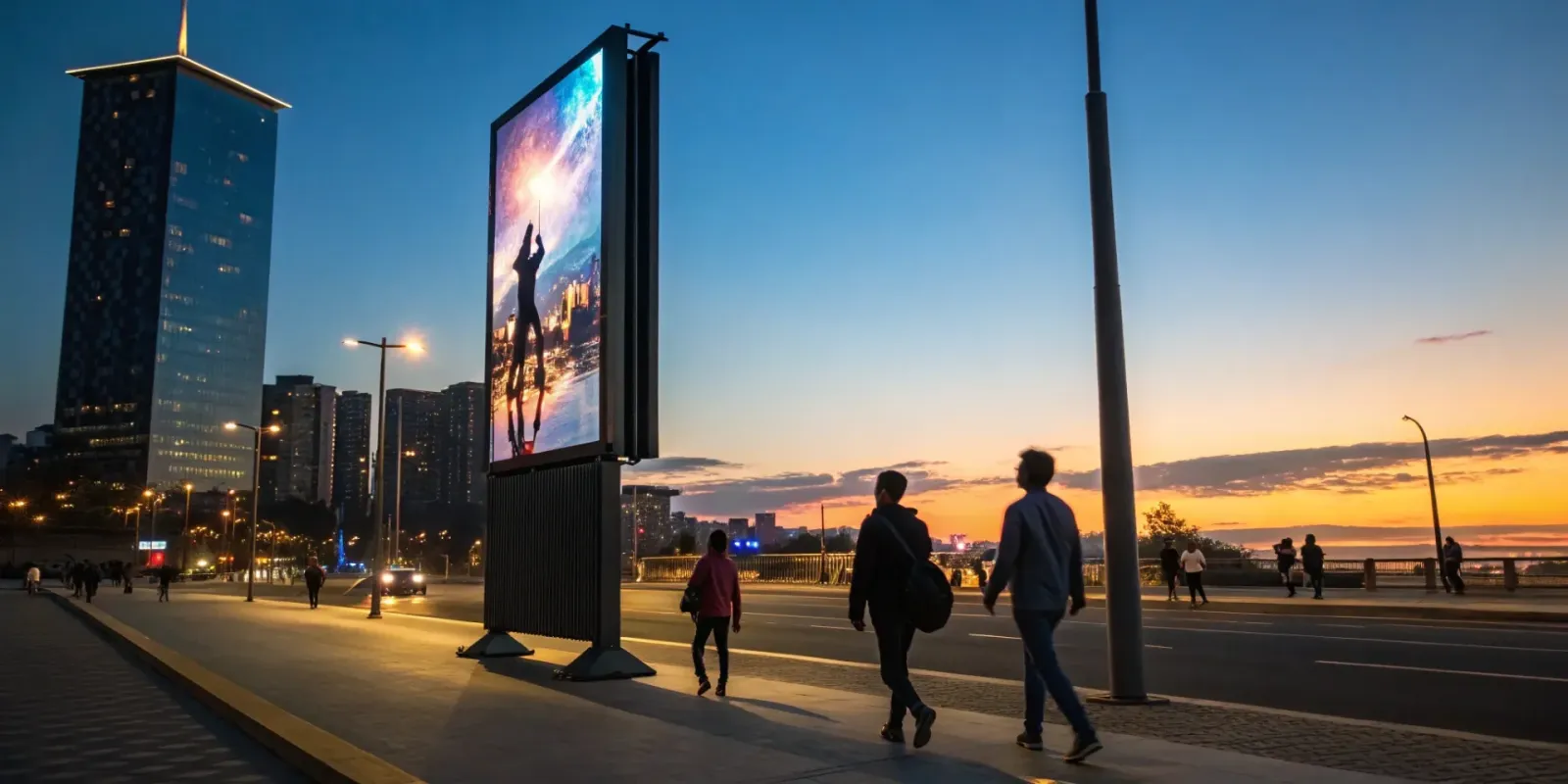
We're surrounded by screens, but most of them just talk at us. A truly great digital billboard does something different—it starts a conversation. The magic isn't just in the bright LEDs or the high-definition video; it's in the interactivity. What if your entire visual could be scanned, instantly connecting someone to your product, story, or a special offer? This is where technology transforms a simple ad into a powerful tool for engagement. We're going to explore the smart features that get real results, from augmented reality layers to real-time data integration. You'll see inspiring digital billboard advertising examples that showcase what's possible when creativity meets technology.
Key Takeaways
- Make your billboard a conversation, not a monologue: Use scannable visuals to create a direct link between your ad and your audience's smartphones, turning a passing glance into a meaningful interaction.
- Create smarter ads with real-time data: Sync your content with the weather, local events, or time of day to deliver a message that feels personal and timely, showing your audience you're in tune with their world.
- Build your campaign on a foundation of strategy and design: Start with a clear objective, create a bold and readable visual, and establish how you'll measure success before you launch to ensure your investment works for you.
What Makes a Digital Billboard Stand Out?
Digital billboards have completely changed the game for outdoor advertising. Gone are the days of static, printed signs that fade over time. Today's digital displays are vibrant, dynamic, and capable of creating genuine connections with people passing by. But what separates a truly memorable digital billboard from one that just blends into the background? It's not just about having the biggest or brightest screen. The magic lies in how you use the technology to your advantage.
The most effective campaigns leverage three key strengths: the underlying display technology, the power of interactivity, and the ability to update content on the fly. By understanding these elements, you can move beyond simply showing an ad and start creating an experience. It's about delivering the right message to the right person at the right time and, most importantly, inviting them to engage. A standout billboard doesn't just talk at people; it starts a conversation.
How Digital Display Technology Works
At its core, a digital billboard is essentially a giant, weather-proof television. These displays use bright LED or LCD screens to show everything from static images to full-motion video with stunning clarity, day or night. What's really powerful is how the content is managed. Advertisers can send their creative assets to the screens remotely using specialized software. This system allows for precise scheduling, determining exactly when and for how long each ad is displayed. This flexibility is a huge advantage over traditional billboards, giving you complete control over your campaign from anywhere.
Making Billboards Interactive
This is where things get really exciting. Interactive billboards turn passive viewing into active participation. Instead of just displaying a message, they invite people to engage directly with the screen. This can be as simple as a display that changes based on the weather or as complex as a game controlled by a person's gestures. The goal is to create a memorable, two-way experience. Some of the most creative interactive billboard examples connect the physical ad to a viewer's smartphone, asking them to scan an image to continue the story, get a discount, or access exclusive content.
Updating Content in Real Time
The dynamic nature of digital billboards is one of their greatest assets. Unlike a printed sign that's stuck with one message for weeks, a digital display can be updated in seconds. This allows for incredibly timely and relevant advertising. You can show different ads in the morning than you do in the evening, run a flash sale for a limited time, or even pull in live social media feeds. This ability to change advertisements frequently means your campaigns can react to current events, sports scores, or even traffic patterns, ensuring your message is always fresh and relevant to the moment.
Creative Digital Billboard Examples We Love
The best digital billboards do more than just show a static image—they create an experience. They use technology to be smarter, more relevant, and genuinely engaging. Instead of just shouting a message at passersby, they start a conversation, react to the world around them, and invite people to connect. This shift from a one-way broadcast to a two-way interaction is what sets modern campaigns apart. By tapping into real-time data, social media feeds, and even the weather, brands can deliver messages that feel incredibly personal and timely. It's the difference between seeing a generic ad and feeling like a brand truly understands your immediate context.
These campaigns are memorable because they break through the noise of everyday advertising. They surprise and delight people by offering something unexpected, whether it's a chance to see their own tweet on a giant screen or an offer that's perfectly suited to a rainy afternoon. This approach doesn't just capture attention; it builds a genuine connection. It shows that a brand is innovative, responsive, and interested in its audience as active participants, not just passive viewers. Let's look at a few creative approaches that really work and explore how you can apply these ideas to your own advertising.
Ads That Target by Location
Imagine you're walking through a shopping district and see a billboard for a coffee shop just around the corner, offering a discount for the next hour. That's the power of location-based advertising. Brands get much better results when they place ads in areas with high foot traffic or near their own stores. This strategy is all about context. By delivering a relevant message to people who are physically able to act on it immediately, you're not just advertising—you're providing a helpful, timely suggestion. This is a fundamental tactic in digital out-of-home advertising that turns a simple ad into a powerful driver of local business.
Campaigns That Change with the Weather
What if your ad could automatically change based on the weather? Some of the most clever campaigns do just that. Think of a clothing brand showcasing its raincoats on a drizzly day or an ice cream company advertising its new flavor when the sun comes out. Brands like Guinness have famously promoted their hearty stout when the temperature drops. This approach makes your message feel incredibly relevant and in sync with your audience's immediate reality. Using real-time data triggers, like a sudden downpour or a heatwave, allows you to connect with people based on a shared, real-world experience, making your brand feel more intuitive and responsive.
Messages That Seize the Moment
The most exciting digital billboards turn a one-way message into a two-way conversation. Instead of simply displaying information, they invite interaction. For example, a campaign might pull in live tweets from fans who use a specific hashtag, displaying their messages on the big screen for everyone to see. This transforms passive viewers into active participants and makes them feel like part of the brand's community. By giving your audience a voice, you create a dynamic and engaging experience that people will remember long after they've walked past. It's a simple way to make your brand feel more human and connected.
Bringing Social Media to the Big Screen
Integrating social media is a fantastic way to generate buzz and extend your campaign's reach far beyond its physical location. One of the most creative interactive billboard examples involved a campaign that let people vote for their favorite character on Twitter. The billboard displayed a live "battle" between the characters, with the visuals changing in real time based on the votes. This gamified approach encourages participation and gets people talking online. When you give people a reason to post about your billboard, you're effectively turning your audience into brand ambassadors who amplify your message for you.
Connecting Phones to Billboards
The real magic happens when you bridge the gap between the physical billboard and the digital world in someone's hand. While QR codes have been a common tool for this, technology now allows for much more seamless experiences. You can invite people to scan the screen to unlock an exclusive offer, play a game, or view an augmented reality (AR) overlay that brings the ad to life. This direct line of connection with digital billboards makes your campaign measurable and gives you a way to continue the conversation long after someone has passed your sign. It's about turning a fleeting glance into a lasting brand interaction.
Smart Features That Get Results
A great digital billboard is more than just a pretty picture on a big screen. The real magic happens when you use technology to create an experience that's smart, interactive, and memorable. These features turn a passive viewing into an active engagement, giving you a much better return on your investment. Let's look at a few ways you can make your digital billboard campaign work harder for you.
Go Beyond the Basic QR Code
We've all seen those clunky black-and-white squares on ads. While QR codes get the job done, they aren't exactly elegant and can disrupt your beautiful design. It's time to think bigger. Imagine if your entire billboard image was the code. With platforms like IRCODE, you can make your visuals directly scannable, inviting people to interact without a clunky QR box. This approach keeps your creative clean and opens up possibilities for more dynamic content. Since digital billboards can rotate through different ads or even show live video, making your visuals interactive creates a direct and immediate connection with your audience, right from the street.
Add an Augmented Reality Layer
Augmented reality (AR) sounds futuristic, but it's already a powerful marketing tool. Think of it as a digital layer over the real world, accessible through a smartphone. You can use AR to let people see a 3D model of your product, play a branded mini-game, or try on a virtual outfit. It's a fantastic way to create a memorable "wow" moment. Plus, the results speak for themselves. Companies using targeted AR strategies have seen significantly higher brand recall because they're offering a fun, immersive experience instead of just a static ad.
Use Real-Time Data in Your Ads
One of the biggest advantages of digital billboards is their ability to change on the fly. You can connect your ads to live data feeds to make them incredibly relevant. For example, a clothing brand could show ads for raincoats when it starts raining, or a sports brand could display live scores during a big game. Many successful digital out-of-home campaigns use real-time information like weather, traffic patterns, or even trending topics on social media. This makes your ad feel current and responsive, showing your audience that you're paying attention to what's happening in their world right now.
Personalize Your Message with AI
Artificial intelligence can help you deliver the right message to the right people at the right time. By analyzing anonymous data about traffic patterns and general demographics, AI can help your billboard display ads that are more likely to resonate with the people passing by. For instance, you could show an ad for a coffee shop during the morning commute and switch to a restaurant promotion in the evening. This isn't about targeting individuals but about understanding the collective mindset of the audience at any given moment. It makes your advertising feel less like a blanket statement and more like a helpful, timely suggestion.
Create a Seamless Cross-Platform Experience
Your billboard shouldn't be an island. The most effective campaigns connect the physical ad with the digital world your audience lives in. This means creating a cohesive journey that starts with the billboard and continues on their phones. For example, you can use location data to show a follow-up ad on social media to people who were near your billboard. This technique, known as retargeting, reinforces your message and guides potential customers from initial awareness to taking the next step. It's all about building a continuous conversation with your audience across different platforms.
Design Elements That Command Attention
A brilliant idea deserves a design that does it justice. On a digital billboard, you have only a few seconds to capture someone's attention as they drive or walk by. That means every design choice—from the colors you pick to the font you use—has to work hard. Getting these elements right is what separates an ad that gets ignored from one that gets noticed, remembered, and scanned. Let's break down the key design elements that will make your digital billboard impossible to miss.
Create a Strong Visual Impact
In a crowded visual landscape, your ad needs to be the main event. Think bold, clear, and captivating. Using 3D effects, high-definition video, or dynamic images can make your ad stand out, especially in a busy environment. The goal is to create a visual that stops people in their tracks and makes them curious. A static, boring image won't cut it. Instead, focus on a single, powerful visual that communicates your core message instantly. This is your hook—the thing that makes someone look up and pay attention long enough to engage further.
Choose Fonts People Can Actually Read
This might sound obvious, but you'd be surprised how many ads get it wrong. Your message is useless if no one can read it. Digital billboards require clear, legible fonts that can be understood in a glance. Stick to simple, bold, sans-serif fonts and avoid decorative or script styles. Keep your text minimal—a headline and a call to action are often all you need. Make sure the font size is large enough to be read from a distance and that there's high contrast between the text and the background. Remember, your audience is on the move, so readability is everything.
Use Color to Influence Emotion
Color is a powerful communication tool. The right color palette can instantly set a mood, convey a message, and grab attention from afar. Bright, contrasting colors are your best friend in outdoor advertising. Think about the emotions you want your ad to spark. For example, reds and oranges can create a sense of urgency and excitement, while blues and greens can feel calming and trustworthy. A well-chosen color scheme not only makes your billboard more visible but also helps evoke specific emotions that reinforce your brand's message.
Animate with a Clear Purpose
Animation is one of the biggest advantages of digital billboards, but it needs to be used thoughtfully. Motion naturally draws the human eye, but random or chaotic movement can be distracting and confusing. Your animation should have a clear purpose, guiding the viewer's attention to the most important part of your ad, like your product, your message, or your call to action. Subtle animations often work best—think of a product gently rotating or text that fades in. The key is to ensure the movement doesn't distract from your core message but enhances it.
Tell a Story with Your Design
Even in a few seconds, you can tell a compelling story. The most memorable billboard campaigns are the ones that connect with people on an emotional level. Think about how your visuals can create a simple narrative. You could use a sequence of images that build on each other or a single image that implies a larger story. This approach makes your ad more than just an ad; it becomes a memorable moment. By creating a design that resonates, you give people a reason to care and a reason to pull out their phone to discover what happens next.
Getting the Tech Right
A brilliant creative idea is only as good as the technology that brings it to life. When it comes to digital billboards, getting the technical details right is the foundation for a campaign that not only looks great but also runs smoothly. From the screen itself to the software that powers it, each component plays a vital role. Thinking through the hardware, software, and even potential hurdles like weather and maintenance ahead of time will save you headaches later and ensure your message shines bright. Let's walk through the key technical elements you'll need to consider.
Choose the Right Hardware
Think of a digital billboard as a giant, super-durable outdoor television. These displays typically use LED or LCD screens to show your ads in vibrant color, day or night. The hardware you choose needs to be tough enough to handle the elements while being bright enough to compete with direct sunlight. When you're exploring options, you'll want to consider factors like screen resolution, size, and location. A higher resolution will make your visuals look crisp and professional, which is especially important if you're using scannable elements like an IRCODE where clarity is key. The goal is to find hardware that makes your creative content look its absolute best.
Find the Best Software
The software is the brain of your digital billboard operation. This is what allows you to manage your campaign from anywhere in the world. Advertisers use special software to upload their images or videos and schedule when and how often they appear on screen. Good software gives you the flexibility to update content in real-time, which is perfect for time-sensitive promotions or interactive campaigns. When choosing a platform, look for one that is user-friendly and provides the control you need to manage the logistics of ad placements without needing a degree in computer science. This control is what lets you react quickly and keep your content fresh.
Plan for Weather and Location
Outdoor advertising comes with a unique set of variables you can't control, like the weather. Your hardware needs to be weatherproof and built to withstand everything from rainstorms to heatwaves. Beyond the weather, consider the physical location. Is the billboard in a high-traffic area where it might be surrounded by other ads? One of the biggest challenges in outdoor advertising is cutting through the clutter. Your placement strategy should account for visibility, local regulations, and the potential for visual noise from competing advertisements to make sure your message is seen and heard.
How to Set Your Budget
Let's talk money. Digital billboards are a significant investment. The upfront cost to buy or lease a screen is typically higher than for a static billboard. However, their dynamic nature means they can also generate more revenue over time by displaying multiple ads. When you become a billboard owner or advertiser, you're paying for flexibility and impact. Factor in costs for the hardware, software, installation, and potential permit fees. It's helpful to think of your budget not just as an expense but as an investment in a powerful communication tool that can offer a substantial return.
Prepare for Ongoing Maintenance
A digital billboard isn't a "set it and forget it" project. Like any piece of technology, it requires ongoing maintenance to keep it running perfectly. This can include software updates, hardware checks, and troubleshooting any glitches that may pop up. Having a plan for regular maintenance ensures your screen stays bright, your content displays correctly, and your investment is protected. Proactive care prevents unexpected downtime, which is crucial when every second of ad space counts. By planning for maintenance from the start, you can keep your campaign running smoothly and effectively.
How to Measure Your Campaign's Success
A stunning digital billboard is great, but how do you know if it's actually working? Measuring the impact of out-of-home advertising can feel tricky, but it's far from impossible. With the right approach, you can gather clear data to prove your campaign's value and make smarter decisions for the next one. The key is to build measurement into your strategy from the very beginning, not as an afterthought. By focusing on a few core areas, you can get a solid picture of what your billboard is achieving.
What Metrics Actually Matter?
With so much digital noise, "reaching and engaging target audiences through outdoor advertising has become more challenging." This makes it crucial to focus on metrics that align with your specific goals. Are you trying to build brand awareness, drive traffic to a physical store, or get people to visit your website? For brand awareness, you might track social media mentions or survey brand recall. For driving traffic, you could measure foot traffic lift in the area. For online actions, focus on website visits, sign-ups, or sales that can be traced back to the campaign. Don't get lost in vanity metrics; define what success looks like for you first.
Simple Ways to Track Performance
One of the biggest hurdles with digital billboards is "determining the effectiveness of the ads." The easiest way to solve this is by giving viewers a clear, trackable action to take. You can use a unique, easy-to-remember URL or a special discount code exclusive to the billboard. An even better method is to make the ad itself interactive. Instead of a clunky QR code, you can use technology like IRCODE to turn your entire visual into a scannable link. This lets people instantly connect with your content using their phones, giving you direct, measurable data on how many people are engaging with your ad.
Calculate Your Return on Investment (ROI)
Digital billboards can be a significant investment, and while "they come with challenges like higher costs... the advantages often outweigh the drawbacks" when you can prove their worth. Calculating your return on investment (ROI) is the best way to do this. To get a basic ROI, compare the total cost of your billboard campaign to the financial value it generated (like sales or leads). If your goal was brand awareness, the value is less direct but can be estimated through metrics like increased organic web traffic or social engagement. Understanding your marketing ROI helps justify the spend and shows how outdoor ads contribute to your bottom line.
Understand Your Audience with Analytics
Many brands "struggle to use data to its full extent," but the information you gather from your tracking methods is pure gold. When someone scans your ad or uses your unique URL, you learn more than just a number. You can see what time of day people are most engaged, which messages get the most scans, and even gather demographic information. This data gives you powerful insights into who your audience is and what they respond to. Use these analytics to refine your messaging, adjust your ad schedule, and make your next digital billboard campaign even more effective.
Your Step-by-Step Campaign Guide
Ready to bring your digital billboard idea to life? A great campaign doesn't just happen—it's the result of careful planning and creative execution. Think of it less like putting up a poster and more like launching a mini-movie premiere. You need a strategy, a compelling story, and a way to know if your audience is paying attention. This guide will walk you through the essential steps, from the initial brainstorm to measuring your success, ensuring your message not only gets seen but also makes a real impact. Let's get your campaign up in lights.
Step 1: Plan Your Strategy
Before you even think about design, you need a solid plan. Start by defining your goal. Are you trying to drive foot traffic to a local store, increase brand awareness, or get people to visit your website? Your objective will shape every other decision you make. A key part of your strategy is deciding who you want to reach and where they are. As experts point out, advertisers can pick where their ad shows up, choose the exact times it appears, and control its frequency. Think about the daily journey of your ideal customer and identify the high-traffic spots where your message will resonate most.
Step 2: Create Compelling Content
A digital billboard is competing with everything else in a person's field of vision. Your content needs to be a showstopper. Forget boring text and static logos; this is your chance to be bold. Using 3D effects, eye-catching videos, or dynamic images can make ads stand out, especially in busy places. The visual should be the hero. And with technology like IRCODE, that visual can do more than just grab attention—it can invite interaction. By making your billboard image scannable, you can instantly connect passersby to a product page, a special offer, or an exclusive video, turning a fleeting glance into a meaningful engagement.
Step 3: Launch Your Campaign
Once your strategy is set and your content is ready, it's time to go live. One of the biggest advantages of digital billboards is their flexibility. Unlike static signs, they can show many different ads that change often, sometimes several times a minute. You can schedule different creatives to run at different times of the day to match your audience's mindset—like a coffee ad during the morning commute and a restaurant special in the evening. Work with your media partner to upload your assets and confirm the schedule. Double-check all the specs to ensure your creative displays perfectly on the screen.
Step 4: Test and Optimize for Better Results
Your campaign launch is just the beginning. The real magic happens when you start learning from the data and making smart adjustments. Top brands use their own sales data or other information to decide when and where to show ads, and even what message to use. If your billboard is interactive, you have a direct line to performance metrics. Track how many people are scanning your IRCODE and at what times of day. Are certain visuals getting more scans than others? Use these insights to A/B test different creatives or adjust your schedule to run your best-performing ads during peak engagement hours.
Step 5: Understand the Rules and Regulations
Finally, make sure your amazing campaign is fully compliant with local rules. Billboard advertising is subject to regulations that can vary widely depending on the city, state, or country. These rules can cover everything from content and brightness to the size and placement of the display. Before you invest time and money, it's crucial to learn all the legal rules and restrictions for the area where you plan to advertise. Working with a reputable media owner can help you handle the legal landscape, ensuring your campaign runs smoothly without any unexpected issues.
What's Next for Digital Billboards?
Digital billboards are evolving far beyond simple digital posters. The future of out-of-home advertising isn't just about bigger, brighter screens; it's about smarter, more connected, and deeply interactive experiences. Think of these displays less as static advertisements and more as dynamic canvases that can react to the world around them in real time. This shift is powered by new technologies that connect the physical and digital worlds, creating opportunities for brands to engage with people in truly memorable ways. It's a move from broadcasting a message to inviting an interaction.
The next wave of digital billboards will be integrated into the fabric of our cities, responding to everything from the weather to live social media feeds. For creators and businesses, this means the creative possibilities are expanding dramatically. Instead of just pushing a message out, you can start a conversation, offer a unique experience, or provide genuine utility to passersby. The focus is moving from passive viewing to active participation, turning a momentary glance into a meaningful interaction. This is where the real magic happens—when an ad becomes an experience that people remember and share.
New Technologies to Watch
The biggest change on the horizon is the deep integration of digital billboards with mobile technology. We're already seeing this with QR codes, but it's just the beginning. Markets in Asia are pioneering the use of features like Near Field Communication (NFC) and advanced location-based ads that allow for seamless interaction between a screen and the phone in your pocket. Imagine tapping your phone on a bus stop ad to download a coupon or pointing your camera at a billboard to launch an exclusive video. This direct line of communication turns a public display into a personal experience, and technologies that make any image scannable are leading the charge.
How Billboards Will Fit into Smart Cities
As our cities become more connected, digital billboards will play a key role in the urban landscape. They are becoming a hybrid of online and traditional advertising, capable of displaying public service announcements, transit schedules, or emergency alerts alongside commercial content. This integration makes them a valuable part of the city's infrastructure, not just another ad. By incorporating elements like augmented reality (AR) experiences, a billboard can provide directions to a local shop or show a virtual overlay of a new real estate development, blending advertising with genuine utility for residents and visitors alike.
The Rise of Hyper-Personalized Ads
The one-size-fits-all message is quickly becoming a thing of the past. The future is all about context and relevance. Many of the most successful campaigns use live data to tailor their content to a specific moment. A billboard could show ads for iced coffee when the temperature rises, display live sports scores to celebrate a local team's win, or even pull in fan tweets during a major event. This approach makes advertising feel less like an interruption and more like a relevant part of the conversation. By reacting to real-world conditions, brands can create ads that are incredibly timely and resonate on a much deeper level.
The Future is Interactive
Ultimately, the future of digital billboards is interactive. We're moving away from screens that simply talk at people to displays that invite them to engage. Interactive billboards are designed to change what they show based on how people interact with them, whether through touch, gesture, or a connected mobile device. This could be a game controlled by a crowd, a poll where people vote with their phones, or a creative canvas that reacts to the movements of people walking by. This shift transforms advertising from a monologue into a dialogue, creating a fun and engaging experience that people will actually want to be a part of.
Related Articles
- Top DOOH (Digital Out-of-Home) Examples
- Interactive Billboard Examples
- How Does Advertising Work on Digital Billboards?
- 25 Best Billboard Campaigns
- What Are the Advantages and Disadvantages of Billboard Advertising?
Frequently Asked Questions
What's the biggest advantage of a digital billboard over a traditional printed one?
The single greatest advantage is flexibility. A printed billboard is locked into one message for weeks at a time. A digital screen, however, can be updated in seconds. This allows you to be incredibly relevant, showing a coffee ad during the morning commute and a restaurant special in the evening, or even changing your creative based on the weather. It's the difference between a static statement and a timely conversation.
How can I make my billboard interactive if I don't want to use a clunky QR code?
You can make your entire visual the interactive element. Modern technology allows the image itself to become a scannable code, so you don't have to disrupt your beautiful design with a black-and-white box. People can simply point their phone at your ad to connect with a website, video, or special offer, creating a much cleaner and more engaging experience.
What's the single most important design rule for a digital billboard?
Clarity is everything. Your audience is likely in motion and only has a few seconds to absorb your message. The most critical rule is to ensure your ad is instantly readable. This means using a large, bold font, high-contrast colors, and keeping your text to a minimum—ideally seven words or less. If people can't understand it in a glance, even the most brilliant concept will be missed.
How do I know if my billboard campaign is actually successful?
You have to build a way to measure it from the start. The most effective method is to give viewers a clear, trackable action to take. This could be a unique discount code, a memorable URL, or an interactive element like a scannable image. By tracking how many people use that code or scan your ad, you get direct data on engagement, which you can then use to calculate your return on investment.
Do I need a huge budget to advertise on a digital billboard?
Not necessarily. While the overall costs can seem high, you aren't buying the billboard for a month straight like you would with a printed sign. Instead, you're buying slots of time in a rotation with other advertisers. This flexibility allows you to run a highly targeted campaign for a shorter duration or during specific times of the day, which can make it a more accessible option for smaller businesses.