Interactive OOH Advertising: A Practical Guide
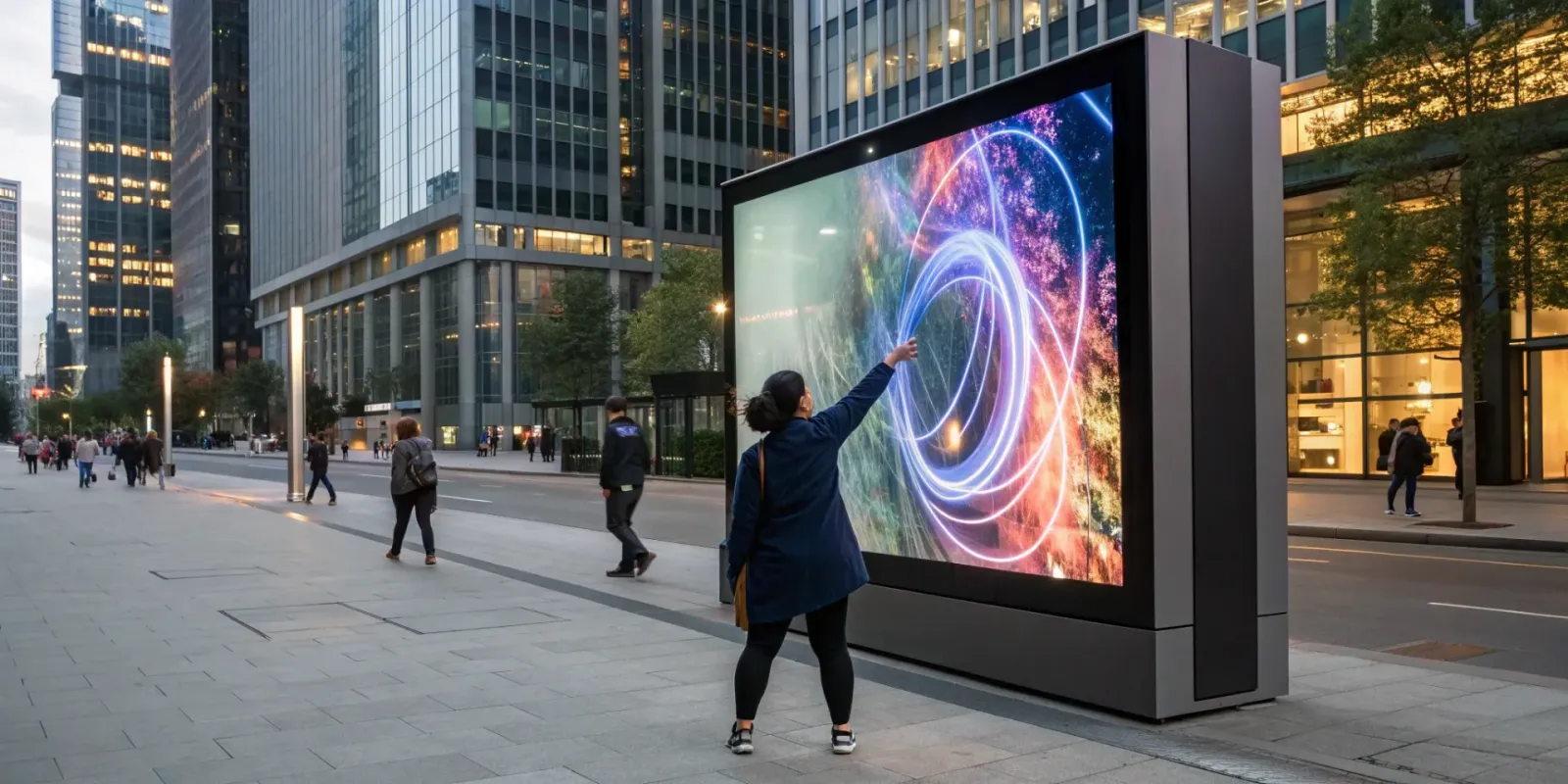
As a creator or business owner, you know how hard it is to capture someone's attention. The digital world is crowded, and making a real connection can feel like shouting into the void. But what if you could meet your audience where they are, in the physical world, and offer them a truly engaging experience? That's the power of interactive OOH advertising. It's a strategy that uses technology to turn passive viewers into active participants. It's not just for massive corporations with huge budgets; it's an accessible way to bring your brand to life and create memorable, shareable moments.
Key Takeaways
- Create a Conversation, Not Just an Ad: The most effective OOH campaigns invite people to participate. Use interactive elements like touchscreens, AR, or scannable images to turn passive viewers into active participants, making your brand far more memorable.
- Focus on a Clear Goal and Simple Interaction: Before getting caught up in the technology, define what you want to achieve. The best interactive experiences are intuitive and offer a clear benefit to the user, whether it's a discount, a moment of fun, or useful information.
- Bridge the Gap Between Your Ad and Your Analytics: Your OOH campaign shouldn't be an island. Use scannable solutions to guide users to your website or social media, allowing you to track engagement, measure your ROI, and understand the real-world impact of your advertising.
What Exactly Is Interactive OOH Advertising?
Think about the last time an ad truly caught your eye. Chances are, it wasn't a static poster you glanced at and forgot. Interactive out-of-home (OOH) advertising is all about turning those public ads—billboards, bus shelters, and digital screens—into engaging, two-way conversations. Instead of just broadcasting a message, it invites you to play a part. This type of advertising uses technology to create a memorable experience in the real world. It's the difference between seeing a picture of a new pair of sneakers and using your phone to "try them on" with augmented reality right there on the street. It's about creating a connection that sticks with people long after they've walked away.
How We Got Here: From Static Billboards to Dynamic Experiences
For decades, out-of-home advertising was a one-way street. Brands put up a billboard, and people either looked at it or they didn't. But as our world became more digital, that model started to feel outdated. We're used to interacting with content on our phones and screens, so why should ads in public spaces be any different? This shift led to the rise of interactive OOH, which blends digital tech with physical locations. It's a smart way for brands to cut through the noise, get people's attention, and make discovering new products genuinely exciting.
The Key Ingredients of an Interactive Campaign
So, what goes into making an OOH ad interactive? It usually starts with a compelling digital display, but the magic is in the technology that invites participation. This can include touchscreens that let you explore content, motion sensors that react to your presence, or augmented reality that adds a digital layer to the world around you. The most crucial ingredient, however, is a simple way for people to connect. This is where mobile integration comes in, using scannable solutions like QR codes or interactive images to bridge the gap between the physical ad and the digital experience on a person's phone.
Types of Interactive OOH You'll See in the Wild
Once you know what to look for, you'll start seeing interactive OOH everywhere. Think of digital billboards in a city square that change their content based on the weather or live social media feeds. You might see interactive kiosks in a mall that let you browse a catalog or play a quick game to win a coupon. Augmented reality is another popular tool, where pointing your phone at a poster brings a character to life or reveals hidden information. These campaigns aren't just for show; they get results. In fact, adding interactive elements can increase engagement significantly compared to traditional static ads.
How Does the Technology Behind Interactive OOH Work?
Interactive OOH advertising isn't powered by a single piece of magic. Instead, it's a clever combination of different technologies working together to turn a passive glance into an active experience. Think of it as a recipe: you have your core ingredients, like digital screens and mobile connectivity, and then you add in sensors and real-time data to make it truly special. This blend of tech is what transforms a simple billboard into a memorable, two-way conversation with your audience.
At its heart, this technology is all about creating a bridge between the physical world and your digital content. It invites people to step in, play around, and connect with your brand in a way that a static image just can't match. Let's break down the key components that make these engaging campaigns possible.
Smart Screens and Touchscreen Technology
The foundation of most interactive OOH is the digital screen. These aren't your average TVs; they are robust, bright displays built to grab attention outdoors. By replacing static posters with dynamic screens, you can show videos, animations, and changing messages. When you add touchscreen capabilities, you completely change the game. Suddenly, a bus shelter ad becomes an interactive kiosk where people can browse a product catalog, customize a virtual car, or play a quick game. This simple addition turns a one-way message into a hands-on experience, inviting people to participate directly with your brand.
Connecting with Your Audience Through Mobile
Your audience already has a powerful interactive tool in their pocket: their smartphone. Many of the most effective OOH campaigns use mobile devices as the link between the physical ad and a deeper digital experience. This connection can be made through various technologies, from familiar QR codes to more advanced augmented reality (AR) or scannable images like IRCODE. By prompting someone to scan an image, you can instantly transport them to your website, a special landing page, or an immersive AR filter. This strategy doesn't just capture attention; it creates a personal connection and a direct path for them to engage with your content long after they've walked away.
Using Sensors and Data to Understand Engagement
How do you know if your interactive ad is actually working? This is where sensors and data come in. Many interactive displays are equipped with technology like motion sensors, cameras, or even weather sensors. A motion sensor can trigger a specific animation when someone walks by, while a camera (with privacy considerations) can use anonymous analytics to gauge audience demographics and emotional reactions. This data gives you incredible insight into how people are interacting with your campaign, allowing you to measure what works. With stats showing that interactive elements can increase engagement significantly compared to static ads, using this data is key to refining your approach.
Keeping Your Content Fresh with Real-Time Updates
One of the biggest advantages of digital OOH technology is the ability to update your content in real time. Unlike a printed billboard, a digital display can be changed in seconds from a central location. This allows for incredibly relevant and timely messaging. You could run a special promotion during rush hour, change your ad based on the weather, or even pull in a live social media feed. This dynamic capability keeps your campaign feeling fresh and current, giving people a reason to look at your ad more than once. It transforms your OOH placement from a static fixture into a living, breathing piece of media.
The Core Technologies Driving Interactive OOH
Interactive OOH advertising isn't powered by a single piece of magic; it's a brilliant mix of different technologies working together to create something special. Think of it as a recipe where each ingredient adds a unique flavor. It combines things like touchscreens, motion sensors, and your own mobile phone to create experiences that grab your attention. These tools are what transform a static poster into a dynamic conversation between a brand and its audience. By blending digital technology with real-world places, businesses can cut through the noise and make their messages more exciting and memorable. Let's look at the core technologies that make these engaging campaigns possible.
Augmented Reality (AR) Experiences
Augmented reality is all about layering digital elements onto our view of the real world, usually through a smartphone camera. It's a powerful way to create immersive moments that stick with people. For example, AR lets you virtually try on clothes or test makeup using interactive mirrors or your phone, turning a simple ad into a personalized fitting room. Instead of just telling you about a product, AR lets you experience it in a fun, hands-on way. These campaigns invite participation and user-generated content (like sharing a photo with a virtual character), which helps create truly memorable brand interactions that people are excited to talk about.
Scannable Solutions Like QR Codes and Interactive Images
Scannable tech is the essential bridge between a physical ad and a digital experience. You're likely familiar with QR codes—those black-and-white squares that send you to a website or app. But the technology has evolved. Now, with platforms like IRCODE, the image itself becomes the code. This means you can create a beautiful, branded visual that is directly scannable, leading users to a video, a product page, or an exclusive offer without a clunky QR code breaking the design. This approach makes the user journey smoother and more visually appealing, turning any image into an instant portal for deeper engagement. It's a simple yet powerful way to connect your physical ads to your digital world.
Motion Detection and Artificial Intelligence
This is where ads start to feel like they're alive. Motion sensors allow a digital screen to react when someone walks by, changing the display to catch their eye or inviting them to play a game. Taking it a step further, Artificial Intelligence (AI) can make these interactions incredibly smart. AI can analyze anonymous data—like the time of day or general demographics of a crowd—to personalize content in real time. Imagine an ad that shows a warm coffee on a cold morning or highlights a family-friendly product when it detects a group with children. This level of intelligence makes advertising feel less like a broadcast and more like a relevant, one-on-one conversation.
The Power of Interactive Displays
At the heart of many interactive OOH campaigns are the screens themselves. We're not just talking about digital billboards, but advanced touchscreens and displays that invite people to get hands-on. These interactive screens can function as information kiosks, game consoles, or creative canvases. Think of a bus shelter where you can tap the screen to explore a new movie trailer or a storefront window that lets you browse a catalog after hours. This type of digital signage transforms passive viewing into active participation, giving people a reason to stop, touch, and connect with your brand in a tangible way. It's about making the ad a destination, not just a distraction.
How to Create an Effective Interactive OOH Campaign
A great interactive OOH campaign doesn't just happen by accident. It's the result of a thoughtful strategy that combines creativity with a clear understanding of your audience and goals. Think of it as building a bridge between your brand and the people you want to reach in the physical world. The key is to make that bridge engaging, intuitive, and memorable. Let's walk through the essential steps to build a campaign that not only grabs attention but also delivers real results.
Define Your Strategy and Set Clear Goals
Before you even think about design or location, you need to know what you want to accomplish. What does success look like for this campaign? Are you trying to get more people to visit your new store, build brand awareness in a new city, or create a viral moment on social media? Your goal will shape every other decision you make. For example, a campaign designed to drive foot traffic will look very different from one meant to gather user-generated content. By setting clear marketing objectives from the start, you create a roadmap that keeps your entire team aligned and focused on the desired outcome.
Pick the Right Location and Analyze Your Audience
Your ad's location is just as important as its message. You want to place your interactive experience in high-traffic areas where your target audience naturally spends time. Think about busy transit hubs, popular shopping centers, or event venues. But don't just stop at foot traffic; consider the mindset of people in that location. Are they rushing to work or leisurely browsing? Understanding the context will help you design an interaction that feels natural, not disruptive. The goal is to find the perfect intersection of where your audience is and when they'll be most receptive to engaging with you.
Follow Key Principles for Content Design
The most successful interactive ads are fun, intuitive, and offer a clear value exchange. People are more likely to engage if they get something in return, whether it's a discount, a useful piece of information, or simply a moment of entertainment. Design your experience to be inviting and easy to use—think simple games, virtual try-ons, or scannable images that reveal exclusive content. Interactive ads work because they give people a sense of agency and personalization. When you let your audience play a part in the experience, you create a much more powerful and lasting connection with your brand.
Integrate Your Campaign Across All Channels
Your interactive OOH ad shouldn't be an island. It should be a powerful touchpoint within a larger, cohesive marketing effort. The interactive element—whether it's a scannable image or a touchscreen game—is the perfect way to connect your physical advertising to your digital channels. Encourage users to share their experience on social media with a unique hashtag or direct them to a specific landing page on your website to continue their journey. A well-rounded omnichannel strategy ensures your message is consistent and reinforces your brand story across every platform, creating a seamless experience for your audience.
Measure Your Campaign's Performance
One of the biggest advantages of interactive OOH is the ability to collect valuable data. Unlike static billboards, you can track exactly how people are engaging with your ad in real-time. You can measure metrics like the number of interactions, dwell time, and even demographic data. After the campaign, analyze this information to see what worked and what didn't. Did a certain time of day see more engagement? Did one creative element outperform another? This data is crucial for demonstrating the campaign's ROI and provides priceless insights that will help you make your next campaign even more effective.
Bringing Your Campaign to Life: Strategies and Hurdles
Launching an interactive OOH campaign is an exciting step, but turning a great idea into a real-world experience requires careful planning. It's about more than just a cool concept; you need to think through the technology, budget, and potential challenges from the very beginning. By preparing for these hurdles, you can ensure your campaign not only launches smoothly but also makes a genuine connection with your audience and delivers on its goals. Let's walk through the key areas you'll need to focus on to bring your vision to life.
Understand the Technical Requirements
First things first, you need to get familiar with the technology. Interactive OOH advertising isn't just a digital screen—it's a blend of traditional advertising with technology that invites people to engage. This could involve anything from touchscreens and motion sensors to augmented reality (AR) and scannable codes. The key is to choose tech that serves your campaign's goal, not just for the sake of it. For example, a simple, scannable image can turn a static poster into a direct link to your online store, creating a seamless experience without needing complex hardware. Understanding the future of public brand engagement means knowing which tools will best help you connect with people on the street.
Plan Your Budget from Start to Finish
Let's talk money. Interactive campaigns often require a bigger investment upfront than static billboards. You're not just paying for ad space; you're funding technology, development, installation, and potential maintenance. It's important to map out all potential costs from the start to avoid surprises. Think about the hardware, the software development, and the creative assets needed. While the price tag can seem high, remember that you're investing in a more memorable and engaging experience. The key is to be realistic and recognize that keeping up with fast-changing technology is part of the process, so build a little wiggle room into your budget.
Address Privacy and Data Protection
Anytime you collect data—even something as simple as an email address or tracking engagement—you have to think about privacy. People are rightly concerned about how their information is used, so building trust is essential. Be transparent about what data you're collecting and why. Make sure your campaign complies with privacy regulations like GDPR or CCPA, depending on your location. Using data ethically isn't just a legal requirement; it's a cornerstone of building a strong relationship with your audience. When you respect your customers' privacy, they're more likely to engage with your brand in a positive way.
Avoid These Common Pitfalls
One of the trickiest parts of an interactive OOH campaign is measuring its success. Unlike online ads where you can track every click, OOH metrics can be less direct. A common mistake is not defining what success looks like from the outset. Are you aiming for social media shares, website visits, or a direct increase in sales? Set clear goals and find creative ways to track engagement. For example, you can use unique discount codes, dedicated landing pages, or scannable codes to link physical interactions to digital results. Don't get discouraged if the ROI isn't as straightforward; focus on the valuable brand engagement you're creating.
Prepare for and Manage Potential Risks
While there are hurdles, the potential payoff of an interactive campaign is huge. Interactive content can lead to twice as many conversions as static content because it creates a deeper, more personal connection with customers. The biggest risk isn't that your tech might glitch (though you should have a backup plan for that!); it's missing the opportunity to create a memorable moment for your audience. Think through potential issues like low foot traffic in your chosen location or a user experience that isn't intuitive. By anticipating these risks, you can build a stronger, more resilient campaign that truly captures people's attention and makes a lasting impression.
Best Practices for a Standout Interactive OOH Campaign
Once you have your strategy locked in, it's time to focus on execution. A great idea can fall flat without the right approach. These best practices will help you create an interactive OOH campaign that not only grabs attention but also delivers a memorable and effective brand experience. Let's walk through the key steps to make your campaign a standout success.
Select the Best Platform for Your Goals
The first step is choosing where your campaign will live. Interactive out-of-home advertising shines because it mixes digital technology with real-world places, but the right mix depends entirely on your goals. Are you aiming for mass brand awareness? A large-format digital screen in a high-traffic urban center might be perfect. If your goal is to drive sales for a specific product, an interactive kiosk in a shopping mall could be more effective. Think about your audience and the context in which they'll see your ad. The platform isn't just the screen; it's the entire environment.
Optimize Your Content for the Medium
Content for an OOH campaign needs to be direct and visually compelling. You have only a few seconds to capture someone's attention as they pass by. This means bold graphics, minimal text, and a clear call to action. Your interactive element, whether it's a touchscreen game, an AR filter, or a scannable image, should be intuitive. With IRCODE, the image itself becomes the code, creating a clean and seamless way for people to engage without the clutter of a traditional QR code. Remember to design for the specific screen and environment, ensuring your content is readable and impactful from a distance.
Focus on a Seamless User Experience
The interaction itself has to be effortless and rewarding. Your goal is to create a memorable experience that is fun, easy to use, and inviting. If someone has to download an app, fill out a long form, or try to figure out a confusing interface, they'll simply walk away. The journey from seeing your ad to engaging with it should feel instant. Make the value proposition clear: what does the user get for their time? Whether it's a coupon, exclusive content, or just a moment of fun, the payoff should be immediate and worth the tap, scan, or touch.
Integrate Your Campaign for a Cohesive Message
Your interactive OOH ad shouldn't be an island. It should be a powerful touchpoint within a larger, integrated marketing strategy. Ensure your messaging, visuals, and branding are consistent with your other channels, like social media, email, and your website. A great OOH campaign can drive significant interest and sales by creating a bridge from the physical world to your digital properties. Use a unique hashtag or a scannable code to encourage social sharing and continue the conversation online, making the experience feel connected and whole.
Track Your Performance and Adapt
One of the biggest advantages of digital OOH is the ability to measure its impact. Unlike static billboards of the past, interactive campaigns provide a wealth of data. You can track how people interact with your ad in real-time, gathering metrics like dwell time, interaction rates, and scan counts. This information is invaluable for understanding what resonates with your audience. Use these analytics to measure campaign success and make adjustments on the fly. Testing different visuals or calls to action can help you refine your approach and maximize your return on investment.
What's Next for Interactive OOH?
Interactive out-of-home advertising is moving far beyond the digital billboards we've grown used to. The future isn't just about bigger, brighter screens; it's about creating smarter, more personal, and deeply integrated experiences that feel less like ads and more like genuine interactions. As technology continues to advance and our expectations as consumers shift, we're seeing some exciting trends that are set to define the next chapter of OOH. The focus is shifting from one-way broadcasting to two-way conversations, turning public spaces into dynamic canvases for connection.
This evolution is driven by a simple idea: people are more likely to pay attention to something they can participate in. Whether it's through augmented reality that overlays digital content onto the real world, or sustainable designs that reflect a brand's values, the goal is to create memorable moments. These moments not only capture attention but also build a more meaningful relationship between a brand and its audience. The most successful campaigns of tomorrow will be those that respect their audience's intelligence, value their time, and offer them something of real value in return for their engagement. Let's look at the key forces shaping this exciting future.
A Look at Emerging Technologies
The future of OOH is all about creating a dialogue. Instead of just showing a message, brands are using technology to invite people into a conversation. We're seeing a move toward experiences that blend the physical and digital worlds using tools like augmented reality (AR), motion sensors, and seamless mobile integrations. Imagine a bus shelter ad that lets you "try on" a new coat using your phone's camera or a digital billboard that reacts to the motion of passersby. These technologies turn static ads into memorable, two-way experiences. The goal is to make advertising feel less like an interruption and more like a discovery, creating moments that people genuinely want to engage with and share.
How Consumer Behavior is Shaping the Future
Technology is only half the story; the real driver of change is us—the audience. Younger generations, in particular, have come to expect more from brands. They value two-way communication, mobile-first convenience, and experiences they can capture and share on social media. Interactive OOH is perfectly positioned to meet these expectations. When an ad offers a fun game, useful information, or a cool AR filter, it becomes more than just an ad; it becomes content. This shift is crucial because engaged consumers are more likely to remember a brand and make a purchase. The future belongs to brands that stop talking at their audience and start creating experiences with them.
Key Innovations Driving the Industry Forward
The creative potential of interactive OOH is expanding rapidly, thanks to a few key innovations. Digital screens are becoming more sophisticated, sensors are getting smarter, and mobile connectivity is nearly universal. This technological trio allows for dynamic campaigns that can be updated in real time. But the most exciting developments are those that make interaction feel effortless. Instead of relying on clunky QR codes, for example, new solutions allow the ad's image itself to become scannable. This creates a more seamless and visually appealing experience for the user. As these innovations in advertising become more widespread, brands will have even more tools to connect with people in truly creative ways.
The Growing Importance of Sustainability
As OOH becomes more technologically advanced, it's also becoming more conscious. Sustainability is no longer an afterthought; it's a core part of campaign planning. We're seeing incredible creativity in this space, from billboards made of recyclable materials to campaigns that actively encourage eco-friendly actions. For example, one wine company created a billboard that could be taken down and reused as a picnic blanket. Beyond physical materials, there's also a growing focus on the ethical use of data, ensuring that personalization doesn't come at the cost of privacy. The future of OOH isn't just smarter; it's also more responsible, reflecting a world where consumers increasingly support brands that align with their values.
Frequently Asked Questions
Is interactive OOH advertising only for big companies with huge budgets?
Not at all. While large-scale campaigns with custom-built hardware can be a significant investment, there are many accessible ways to get started. The key is to think creatively about the tools you already have. For instance, adding a scannable element to a traditional printed poster can transform a static ad into an interactive experience, connecting people directly to your website or a special offer. This approach allows businesses of any size to create engaging campaigns without the cost of digital screens or complex technology.
How do I know if my interactive campaign is actually successful?
Unlike a traditional billboard, interactive campaigns give you concrete data to work with. Success is measured by tracking the actions people take. You can monitor how many people scanned your interactive image, how long they spent on the landing page you directed them to, or if they used a unique discount code. This gives you a clear line of sight from the physical ad to a digital conversion, allowing you to calculate a real return on your investment and understand exactly how your audience is engaging.
Do people need to download a special app to engage with my ad?
The most effective campaigns make interaction as seamless as possible, which usually means avoiding app downloads. The goal is to remove any friction that might stop someone from participating. Technologies like scannable images or QR codes are powerful because they work with the native camera on almost any smartphone. A quick scan can take someone directly to a website, video, or augmented reality filter right in their browser, making the experience instant and intuitive.
What makes an interactive experience compelling instead of just a gimmick?
A compelling experience offers genuine value in exchange for someone's attention. It's not about using technology just for the sake of it; it's about using it to solve a problem, provide a moment of fun, or offer useful information. The interaction should feel like a natural extension of your brand's message. Whether you're letting someone virtually try on a product or offering them exclusive content, the experience is successful when it feels rewarding and relevant to the person participating.
What's the single most important thing to get right in an interactive OOH campaign?
The user experience is everything. Your interaction must be incredibly simple, intuitive, and quick. People passing by are often in a hurry, so you only have a few seconds to capture their interest and show them what to do. If the instructions are confusing or the process takes too long, they will simply walk away. A clear call to action and an effortless, rewarding engagement are the keys to turning a passerby into an active participant.