7 Digital Out-of-Home Advertising Trends Shaping the Future
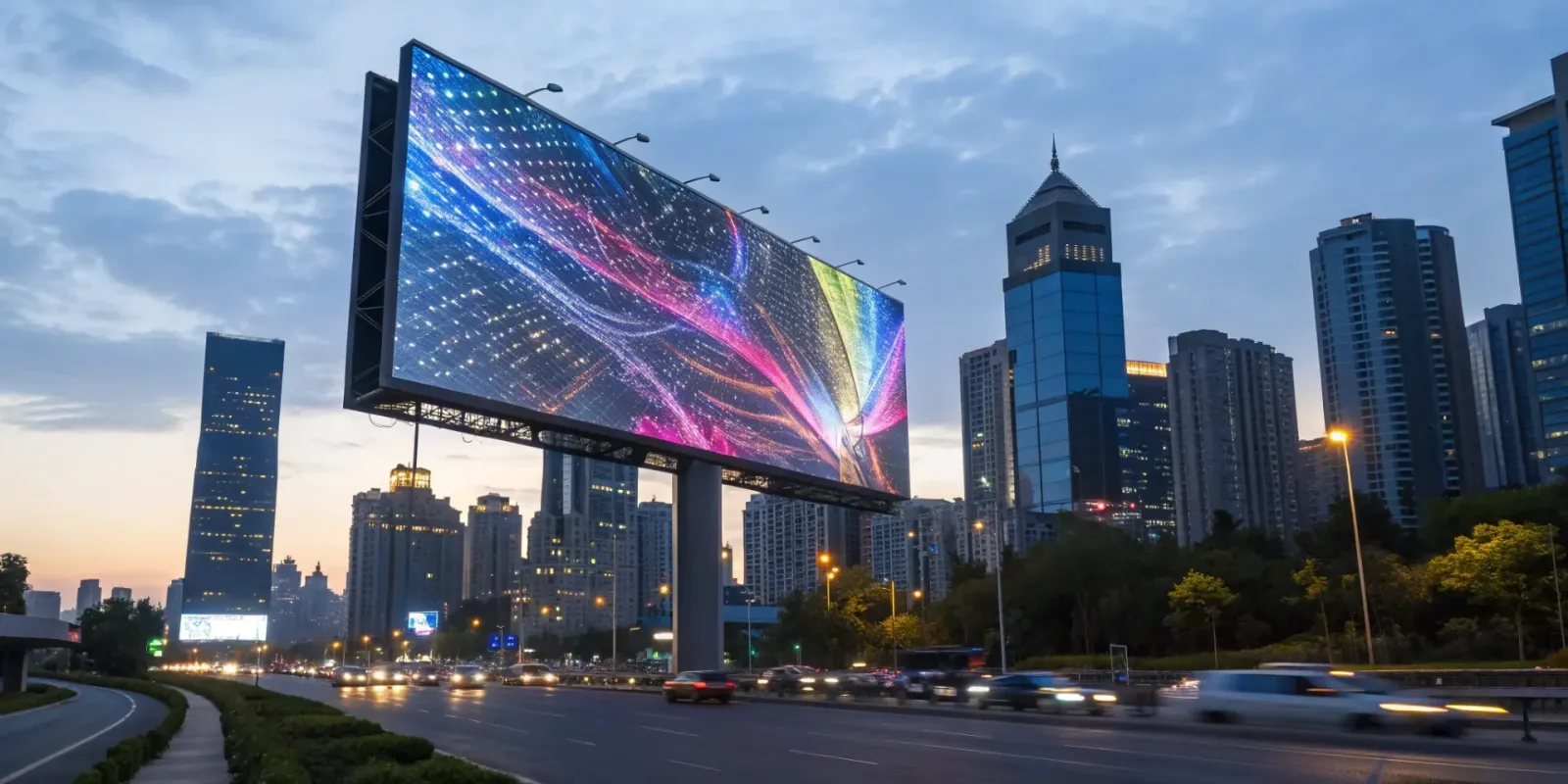
As a creator, your goal is to connect with your audience in a way that feels authentic and memorable. While digital channels are essential, there's something powerful about meeting people out in the real world. Digital Out-of-Home (DOOH) advertising offers a canvas to do just that, turning public spaces into opportunities for engagement. But simply displaying an ad isn't enough. To truly capture attention, your campaigns need to be interactive, data-driven, and integrated with your other marketing efforts. This guide will walk you through the most important digital out of home advertising trends so you can build experiences that bridge the physical and digital worlds.
Key Takeaways
- Make Your Ads a Two-Way Street: Transform passive views into active engagement by incorporating scannable elements that invite your audience to interact directly with your brand on their phones.
- Integrate and Measure for Better Results: Treat your DOOH campaign as one piece of a larger marketing strategy. Connect it to your other channels and use performance data to continuously refine your message for maximum impact.
- Build Trust Through Responsible Data Use: Focus on privacy-friendly methods like contextual targeting and collecting first-party data through opt-in experiences. This approach builds customer confidence and future-proofs your campaigns.
What is Digital Out-of-Home (DOOH) Advertising?
If you've ever seen a video ad playing on a screen at a bus stop, in a shopping mall, or on a massive billboard in Times Square, you've experienced Digital Out-of-Home (DOOH) advertising. Simply put, DOOH uses digital screens to display ads in public spaces. It's the modern, dynamic evolution of the static posters and billboards we're all used to seeing.
This shift to digital has opened up a world of possibilities for brands. Instead of one message printed on a poster for a month, companies can now run eye-catching videos, animations, and ads that change based on the time of day, the weather, or even live events. It's about meeting people where they are—out in the world—with messages that are more relevant and engaging than ever before. As a creator or a business, understanding DOOH is the first step toward using it to connect with your audience in a powerful, real-world context.
How Traditional Billboards Went Digital
The move from static billboards to digital screens has completely changed the game for out-of-home advertising. Think about a classic paper billboard—it's put up and stays there for weeks, showing the same message to everyone who passes by. Digital screens, on the other hand, allow for incredibly flexible and dynamic content. An ad for coffee can run during the morning commute, and that same screen can switch to an ad for a local restaurant in the evening. This ability to update content in real-time means your message can be perfectly timed and tailored to the people seeing it, making your campaigns much more effective.
The Key Parts of a DOOH Ad
At its core, a DOOH ad has three main components: the digital screen, the public location, and the dynamic content playing on it. But what makes it so powerful is how these elements work together. The screen grabs attention, the location provides the context, and the content delivers the message. This format has become a major player in the advertising world, making up a significant chunk of all OOH ad spending. It's not just about putting a video on a screen; it's about using technology to create a timely, relevant ad experience that feels native to its environment.
A Quick Look at How It Works
So, how does the right ad get to the right screen at the right time? Much of the magic happens through technology that uses real-time data and automated ad buying, often called programmatic advertising. This system allows advertisers to deliver highly targeted messages. For example, a screen near a stadium could automatically show ads for a sports drink right after a game ends. By using data to make decisions, advertisers can ensure their message reaches a specific audience when they are most likely to be receptive, making every ad dollar work harder and smarter.
The Technology Powering Modern DOOH
Today's digital billboards are more than just flashy screens; they're powered by some seriously smart technology. What used to be a static advertising channel is now a dynamic, data-driven ecosystem that can react to the world around it in real time. This evolution is thanks to a few key technological advancements that have completely changed the game for out-of-home advertising, making it more intelligent, measurable, and interactive than ever before. Understanding this tech is the first step to creating campaigns that truly connect with people on the go.
Using AI and Machine Learning
Think of artificial intelligence as your super-smart assistant for OOH advertising. AI and machine learning are no longer just buzzwords; they are practical tools that help plan and execute more effective campaigns. AI can analyze massive datasets to pinpoint the best locations and times to run your ads, ensuring you reach the right people. It's also a huge help on the creative side, with platforms that can generate new ad concepts or even produce dynamic video content on the fly. As the industry continues to grow, AI is a big chance for brands to create more relevant and timely messages.
How to Measure Your Campaign's Impact
One of the biggest questions in advertising has always been, "How do I know if it's working?" For a long time, measuring the impact of OOH ads was tricky. Now, data is changing everything. By using anonymized location data from mobile devices, you can get a much clearer picture of who saw your ad and what they did afterward, like visiting your store or website. As older tracking methods like third-party cookies become less reliable, this kind of data-driven targeting is essential for understanding your campaign's true impact and making every dollar count.
Connecting Ads to Mobile Devices
The most powerful DOOH ads don't just talk at people; they invite them into a conversation. The key is creating a seamless link between your physical ad and your audience's mobile devices. This is where interactive elements like scannable images or codes come in. By giving people an easy way to scan your ad with their phone, you create an immediate bridge from the real world to your digital one. This allows you to reinforce messaging and extend reach, turning a passing glance into a direct engagement with your brand, product, or story.
The Role of Programmatic Advertising
Imagine buying ad space in real-time, almost like an online auction, but for billboards. That's the magic of programmatic advertising. This automated process makes buying and managing DOOH campaigns faster, more flexible, and more efficient. Instead of long-term contracts, you can buy ad space for specific times or when certain conditions are met, like during a traffic jam or a sunny day. Programmatic OOH is growing fast, making it easier for brands of all sizes to run ads quickly and use data to make smarter decisions on the fly.
7 Key DOOH Trends You Should Know
Digital out-of-home advertising is evolving quickly, moving far beyond simple digital billboards. The most successful campaigns today are dynamic, data-driven, and deeply integrated into broader marketing strategies. It's not just about showing an ad; it's about creating a moment of connection with people as they go about their day. These trends reflect a larger shift toward more personalized, interactive, and measurable advertising that delivers real value to both the brand and the viewer.
From using real-time data to swap out creative on the fly to adding augmented reality layers that stop people in their tracks, the possibilities are expanding. The key is to think of DOOH not as an isolated channel, but as a powerful touchpoint that can start a conversation, drive online traffic, or create a memorable brand experience. Understanding these trends will help you build campaigns that are not only seen but also felt and acted upon. Let's look at the seven key trends that are shaping the future of DOOH advertising.
1. Optimize Your Content in Real Time
Imagine changing your digital billboard based on the weather, traffic patterns, or even the score of a local sports game. That's the power of real-time optimization. Instead of running the same static ad for weeks, you can adapt your message instantly to make it more relevant to the current moment. This flexibility allows you to adjust messaging and targeting based on live performance data. If one ad isn't getting the engagement you hoped for, you can swap it for another version without missing a beat. This approach ensures your campaign stays effective and connects with your audience in a way that feels timely and personal.
2. Create Interactive, Scannable Experiences
Passive viewing is a thing of the past. Today's most effective DOOH ads invite people to engage directly. This could be through a simple game on a digital screen or by encouraging them to scan something to learn more. When you let people interact with your ad, you create a much more memorable experience. This is where technology that turns your entire visual into a scannable code shines. Instead of a clunky QR code, the ad's image itself becomes the gateway. A person can simply scan the creative with their phone to shop a look, watch a trailer, or access an exclusive offer, seamlessly connecting your physical ad to a rich digital experience.
3. Integrate DOOH with Your Other Channels
Your DOOH campaign shouldn't live on an island. To get the most out of your efforts, it's essential to integrate it with your other marketing channels. Think of your digital billboard as the start of a conversation that continues on a person's mobile device. By creating a cohesive journey, you can reinforce your messaging and extend the reach of your campaign. For example, you can retarget people who were near your DOOH placement with social media ads or send a follow-up email to those who scanned your interactive ad. This creates a unified brand story that follows your audience wherever they go.
4. Target Your Ideal Audience with Precision
One of the biggest advantages of DOOH is the ability to be incredibly specific about who sees your ads and when. Using anonymous location data, you can target screens in areas where your ideal customers live, work, or shop. This means a fitness brand can advertise near gyms during peak hours, or a coffee shop can promote its morning special to commuters. This level of precision allows you to target specific groups in real-time, ensuring your budget is spent reaching the most relevant audience. It's a smarter way to advertise, moving from broad broadcasting to focused, impactful communication.
5. Choose Sustainable Options
As consumers become more environmentally conscious, brands are looking for ways to reduce their carbon footprint—and advertising is no exception. While digital screens require energy, the industry is making strides toward greater sustainability. For brands focused on this, there are ways to make more eco-friendly choices. For instance, some advertisers find that classic, static billboards can be more energy-efficient than certain digital formats. The trend is toward mindful media planning, where brands consider the environmental impact of their campaigns alongside performance metrics, choosing partners and formats that align with their corporate values.
6. Add an Augmented Reality Layer
Augmented reality (AR) is transforming DOOH from a 2D viewing experience into an immersive 3D world. By scanning a digital screen, people can bring brand characters to life, try on products virtually, or play interactive games that blend the physical and digital worlds. This element of surprise and delight creates a powerful and shareable brand moment. As technologies like AR become more accessible, they are making DOOH more popular and versatile. It's a fantastic way to capture attention and create a story that people will want to talk about long after they've walked away from the screen.
7. Use Real-Time Bidding Systems
Gone are the days of lengthy negotiations and manual ad placements. Programmatic DOOH uses automated systems to buy and run ads, making the whole process faster and more efficient. Through real-time bidding, you can purchase ad space across a vast network of digital screens in seconds. This technology is making DOOH more accessible for brands of all sizes, not just major corporations. With programmatic OOH expected to reach over $1 billion, it's clear that automation is the future, allowing brands to launch and manage campaigns with greater speed and flexibility than ever before.
How to Make DOOH Work for Your Brand
A great digital out-of-home campaign is more than just a beautiful ad on a screen—it's a strategic conversation starter. To make your DOOH efforts truly effective, you need a plan that combines engaging creative with smart targeting and a deep respect for your audience. It's about creating a moment of connection that feels both impressive and personal. Let's walk through how you can build a campaign that not only gets noticed but also gets results.
Strategies to Engage Your Audience
Your primary goal is to capture attention in a sea of distractions. One of the most effective ways to do this is by building a sense of familiarity and trust. When you feature influencers or creators your audience already knows and loves, their endorsement can help build trust in your brand almost instantly. It turns your ad from a corporate message into a friendly recommendation.
Another powerful strategy is to connect your DOOH campaign with social media. This approach, often called "social out of home" (#sOOH), encourages people to share their experience with your ad online. You can prompt them with a unique hashtag, a photo challenge, or an interactive element. By making your physical ad scannable with IRCODE, you can bridge the gap between the street and the screen, directing viewers to a social contest, a special filter, or your brand's profile.
Techniques for Optimizing Your Creative
The "digital" in DOOH is your creative playground. Unlike static billboards, your ads can be dynamic and responsive. Think about creating ads that change based on real-time triggers like the weather, time of day, or even live event scores. A clothing brand could showcase raincoats on a drizzly day or sunglasses when it's bright and sunny, making the message feel incredibly timely.
This level of relevance is what makes DOOH so powerful. Ads can automatically adjust to show messages that are most relevant to the people seeing them, making your creative feel less like an interruption and more like a helpful suggestion. With IRCODE, you can take this a step further by embedding different interactive experiences within your visual. A restaurant's ad could link to a breakfast menu in the morning and a dinner reservation page in the evening, all from the same scannable image.
Measure What Matters
One of the biggest shifts in out-of-home advertising is the ability to measure its impact with greater accuracy. Gone are the days of guessing how many people saw your billboard. Today, data-driven strategies allow you to understand audience movement and behavior, helping you place your ads where they'll make the biggest splash.
This is where programmatic advertising comes in. Programmatic DOOH uses automation to buy and run your ads, making the process faster and more efficient. It's a rapidly growing field, with programmatic OOH making it easier than ever for brands to launch targeted campaigns quickly. By incorporating a scannable IRCODE, you add a layer of direct measurement. You can track exactly how many people scanned your ad, what they did next, and ultimately tie your DOOH spend directly to actions like website visits or sales.
Target Audiences and Respect Privacy
As we get better at targeting, we also have to get better at respecting privacy. People are more aware of how their data is being used, and they expect brands to be transparent and responsible. Building trust is essential, and that starts with how you handle data. Privacy concerns in DOOH are valid, and it's your job to address them head-on.
Focus on using anonymized and aggregated data to understand general audience patterns rather than tracking individuals. The goal is to reach the right type of person, not a specific person. Consumers need greater transparency and control over their data, so be clear about your methods. An interactive tool like IRCODE is inherently privacy-friendly because it's an opt-in experience. The user makes the choice to engage by scanning the image, putting them firmly in control of the interaction.
Let's Talk About Privacy and Data in DOOH
As we get smarter with targeting, it's essential to talk about data privacy. This isn't just about following rules; it's about building trust with your audience. People are more aware than ever of how their data is used, and they expect transparency and respect. Getting this right from the start shows your customers that you value their privacy, which is a huge win for your brand. When you approach data with an ethical mindset, you're not just creating a compliant campaign—you're building a stronger, more loyal customer base. Let's walk through the key things you need to know to handle data responsibly in your DOOH campaigns.
The conversation around data can feel intimidating, filled with acronyms and legal jargon. But at its core, it's simple: treat your audience's information with the same care you'd want for your own. In the world of DOOH, where we can reach people in their physical environments, this principle is even more important. The goal isn't to track every move but to create relevant, valuable experiences that people actually want to engage with. This is where the opportunity lies. By being upfront and providing real value, you can turn a potential privacy concern into a moment of positive connection. Think of it as the foundation of a healthy relationship with your customers—one built on mutual respect rather than one-sided data collection. This section will cover the practical steps you can take to make sure your campaigns are both effective and ethical.
Build a First-Party Data Strategy
With privacy policies becoming stricter, relying on third-party data is no longer a sustainable plan. The future is all about first-party data—the information you collect directly from your audience with their consent. Think email sign-ups, loyalty program registrations, or direct interactions with your brand. An interactive DOOH ad, like one using a scannable IRCODE, is a perfect way to gather this information. You can offer a discount or exclusive content in exchange for an email address. This approach respects user privacy because they are actively choosing to share their information with you. These privacy-centric policies are pushing brands to build direct relationships, which ultimately leads to more meaningful engagement.
Focus on Contextual Targeting
Instead of focusing on who a person is, contextual targeting focuses on where they are and what they're doing. It's a privacy-friendly way to stay relevant. For example, you could show an ad for umbrellas on digital screens in a business district when it starts to rain. Or, you could advertise a lunch special on screens near restaurants around noon. You're using environmental and situational cues, not personal data. This resurgence of contextual targeting is a direct response to the demand for better data privacy, allowing you to deliver effective ads without tracking individuals. It's about being smart with placement and timing to reach the right audience at the right moment.
Be Transparent with How You Use Data
Trust is everything. If you are collecting data, be open and honest about it. Let people know what information you're collecting, why you need it, and how you plan to use it. This transparency is key to getting genuine consent. For example, if scanning your ad leads to a sign-up form, clearly state that they are subscribing to your newsletter. Navigating these challenges requires a real commitment to ethical privacy practices, but the payoff is a customer base that trusts and respects your brand. When people understand the value exchange, they are much more willing to engage with you.
Understand Compliance Rules
Data privacy isn't just a good idea—it's the law. Regulations like GDPR and CCPA have set strict rules for how companies can collect and handle personal information. It's your responsibility to understand and follow them. Consumers today demand greater transparency, security, and control over their data, and these laws are in place to protect them. While it might seem like a lot to handle, many advertising platforms have built-in compliance tools to help you. Always make sure your campaigns are fully compliant with the regulations in the regions where your ads are displayed. This protects both your customers and your business.
Your Checklist for a Successful DOOH Campaign
Launching a DOOH campaign can feel like a big step, but breaking it down into a simple checklist makes it manageable. Think of this as your game plan for getting your creative work out into the world and in front of the right eyes. By focusing on a few key areas—budget, tech, sustainability, and performance—you can set your campaign up for success from the very beginning. Let's walk through what you need to keep in mind.
Plan Your Budget
First things first: let's talk money. Your budget will shape everything from the screens you choose to the length of your campaign. The good news is that the DOOH space is a robust market with options for various spending levels, so you don't need a massive budget to make an impact. Start by defining what you can realistically spend. Consider costs for ad space, creative production, and any tech you'll use, like analytics platforms. Having a clear budget helps you make smart decisions and ensures you get the most value out of every dollar you invest.
Get the Technical Details Right
The magic of DOOH lies in its technology. To make sure your message connects, you need to get the technical side right. This means understanding the specs for each digital screen—things like resolution, file formats, and size. It's also where programmatic advertising comes into play, allowing you to use real-time data to show your ad to the right audience at the perfect moment. By sorting out these details early, you can avoid last-minute headaches and ensure your creative looks exactly as you envisioned it.
Consider Your Environmental Footprint
As creators and brands, we have a responsibility to think about our impact. When planning your DOOH campaign, consider its environmental footprint. Digital screens use energy, but you can make conscious choices. Look for networks that use energy-efficient screens or are powered by renewable energy. You might even find that classic, static billboards are a more energy-efficient choice for certain locations or messages. Making sustainability part of your planning shows your audience that you care about more than just the bottom line.
Continuously Optimize for Performance
A DOOH campaign isn't a "set it and forget it" activity. The best campaigns are dynamic and adapt over time. Keep a close eye on your performance metrics to see what's working and what isn't. Are people engaging with your interactive elements? Are you seeing a lift in website traffic or sales? Use this data to make real-time optimizations, whether that means tweaking your message, changing your visuals, or adjusting your ad schedule. This continuous improvement cycle is what turns a good campaign into a great one.
What's Next for DOOH?
The world of digital out-of-home advertising is constantly changing, but that change brings incredible opportunities for creators and brands. Staying ahead means understanding where the industry is headed. From mind-bending new technologies to important shifts in consumer privacy, the future of DOOH is dynamic, interactive, and full of potential. Let's look at what you can expect and how you can prepare to make the most of it.
New Technologies on the Horizon
Get ready for DOOH to become even more captivating. We already know that digital billboards are more memorable than static ones—one study found they generate over three times more brain activity related to memory. The next wave of technology will push this even further. You'll start seeing more 3D billboards, sometimes called "spatial OOH," where ads seem to pop right out of the screen. This isn't just a gimmick; it makes your brand look innovative and grabs serious attention. Behind the scenes, programmatic advertising is making it easier and faster for anyone to get their ads live, with the market expected to surpass $1 billion this year.
Prepare for Industry Hurdles
One of the biggest conversations happening in advertising right now is about data privacy. People are more aware of how their data is used and want more transparency and control. This shift in digital advertising is changing the rules for everyone, forcing brands to rethink how they connect with audiences without relying on third-party tracking. While this might sound like a challenge, it's actually an opportunity to build more trust. The focus is moving toward first-party data strategies and contextual advertising, where the ad's relevance comes from its environment, not personal data. This is where creating genuinely engaging content that people want to interact with becomes your superpower.
Find Your Opportunities for Growth
The future for DOOH is incredibly bright. The global market was valued at nearly $22 billion and is projected to skyrocket to over $81 billion by 2034. This isn't just slow and steady growth; it's a massive market expansion. This tells us that more brands are investing in DOOH because it delivers real results. The key to tapping into this growth is using data to inform your campaigns and embracing programmatic tools to place your ads effectively. As you plan your strategy, think about how you can create experiences that are not only seen but also felt, giving viewers a reason to stop, look, and engage directly with your brand.
Frequently Asked Questions
Is DOOH advertising only for big brands with huge budgets?
Not at all. While massive Times Square takeovers are certainly expensive, the rise of programmatic advertising has made DOOH much more accessible. This technology allows you to buy ad space on digital screens in a more flexible way, so you can run shorter, highly targeted campaigns that fit a smaller budget. You can choose specific locations, times of day, or even certain weather conditions to display your ad, ensuring you're spending your money efficiently.
How do I make my DOOH ad interactive instead of just a passive video?
The key is to give viewers a simple way to connect your physical ad to their phone. You can do this by adding a scannable element to your creative. Instead of just watching your ad, a person can scan the image to shop a product, enter a contest, or explore your website. This turns a moment of passive viewing into an active brand experience, creating a direct and measurable link between your ad and your audience.
How can I measure the success of a DOOH campaign?
Measuring DOOH has become much more sophisticated than just estimating foot traffic. You can now use anonymized location data from mobile devices to understand who saw your ad and whether they later visited your store or website. Even better, if you include an interactive element like a scannable IRCODE, you can track direct engagements. This allows you to see exactly how many people scanned your ad and what actions they took next, giving you clear, tangible results.
With all this talk of data, does DOOH advertising track me personally?
Responsible DOOH advertising does not track individuals. Instead, it relies on aggregated and anonymized data to understand general audience patterns, like the types of people who are in a certain area at a specific time. The focus is on contextual relevance—like showing an ad for coffee during the morning commute—rather than personal tracking. Any interactive features that collect information, like an email sign-up, are opt-in, meaning you are in complete control of the choice to share your data.
What's the most important thing to get right when designing the creative for a DOOH ad?
Your creative needs to be both contextually relevant and immediately understandable. Since you only have a few seconds to capture someone's attention, your message should be bold, clear, and concise. The most effective ads are also dynamic, meaning they can change based on real-time triggers like the weather or time of day. This makes your ad feel less like a generic broadcast and more like a timely, helpful message that's perfectly suited to the moment.