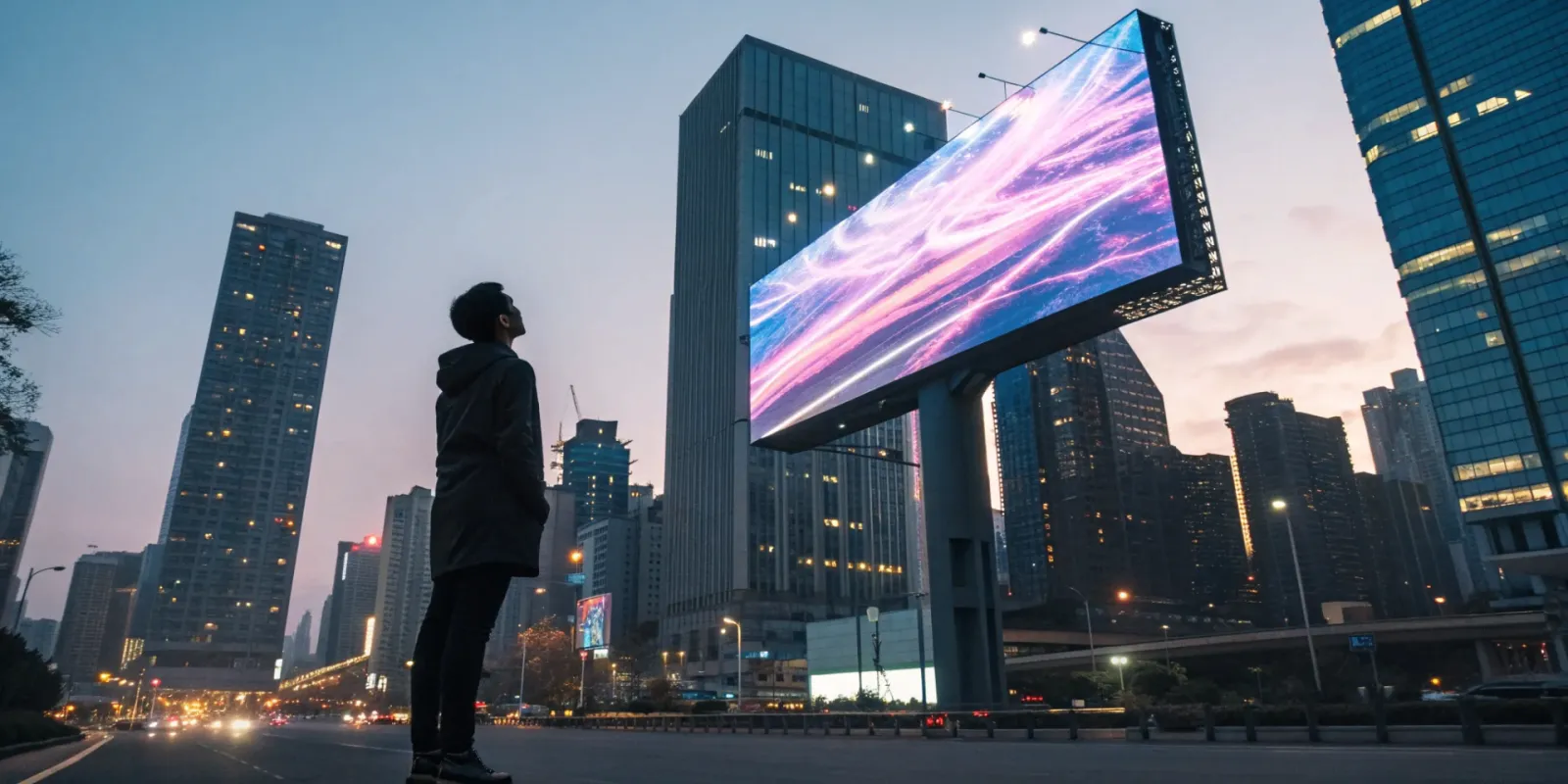
Most advertising is a one-way street. A brand talks, and the audience listens—or tries to tune it out. Digital out-of-home advertising is changing that dynamic by creating opportunities for real interaction. A digital screen in a public space can be more than just an ad; it can be the start of a conversation. By making your visuals scannable and interactive, you can invite people to engage directly with your content, turning a passing glance into a meaningful connection. This guide will show you how to build that bridge between the physical and digital worlds. We'll cover everything from creative best practices to the technical side, including a look at the top DOOH advertising platforms that support these innovative, engaging experiences.
Key Takeaways
- Think Beyond Static Displays: The real advantage of DOOH is its ability to change in real time. Use data like the weather, location, or time of day to serve ads that are incredibly relevant to the moment and capture more attention.
- Focus on Key Platform Features: Choosing a platform comes down to its capabilities. Prioritize tools that offer programmatic buying for budget flexibility, location-based targeting to reach the right people, and real-time analytics to measure what's working.
- Make Your Ads Scannable to Measure Impact: The classic challenge with outdoor ads is proving they work. Solve this by adding an interactive element that connects your physical ad to a digital experience, giving you a direct way to track audience engagement and conversions.
What is DOOH Advertising?
If you've ever seen a video playing on a screen at a bus stop, a digital menu at a café, or a massive animated billboard in a city center, you've experienced DOOH advertising. The acronym stands for "digital out-of-home," and it's exactly what it sounds like: digital advertising that reaches people when they are outside of their homes. It's a powerful way to capture attention in high-traffic public spaces, from airports and malls to subway stations and sports arenas. Think of it as the modern town square, where brands can share their stories on a grand scale.
Unlike online ads that can be skipped or blocked, DOOH ads are part of the physical environment. They're designed to be seen and integrated into a person's daily journey. The goal is to present eye-catching, relevant content to people on the move, making a memorable impression in the few seconds you have their attention. This form of advertising blends the broad reach of traditional billboards with the flexibility and precision of digital marketing, creating a unique channel for brands to connect with their audience in the real world. It's about meeting people where they are and giving them something interesting to look at, turning a mundane wait for the train into an engaging brand moment.
How It Evolved from Traditional Billboards
Think of the classic, static billboards you see along the highway. They display a single, printed message for weeks or months at a time. DOOH is the modern evolution of that concept. It takes the same public ad space but replaces the static paper with dynamic digital screens. This simple change opens up a world of possibilities. Instead of one message, a screen can show a rotating loop of different ads. But the real game-changer is how DOOH ads can adapt in real time. Unlike a printed poster, a digital ad can change based on specific triggers like the time of day, the weather, or even live data feeds. For example, a coffee shop could promote iced lattes on a hot afternoon and switch to hot chocolate when the temperature drops. This technology allows for more personal and timely messaging, making ads feel much more relevant to the people seeing them.
The Key Parts of a DOOH Campaign
A successful DOOH campaign relies on a few key components working together. First, you have the hardware—the digital screens and the media players that power them. Then there's the software, which is used to manage what content gets displayed, when, and where. A huge part of the modern DOOH ecosystem is programmatic DOOH (pDOOH), which automates the buying and selling of ad space, making the whole process faster and more efficient. The most important part, however, is the impact. Research shows that these ads work; many people take action after seeing a digital ad in a public space. The challenge is closing the gap between seeing the ad and taking that action. This is where interactivity comes in. By making your visual content scannable with a tool like IRCODE, you can turn a passing glance into direct engagement, allowing viewers to shop, learn more, or connect with your brand right from the screen.
What to Look For in a DOOH Platform
Choosing a DOOH platform can feel like a huge task, but it really comes down to finding a partner with the right set of tools for your specific goals. The technology behind these platforms is what separates a good campaign from a great one. You're not just buying ad space on a screen; you're investing in a system that should help you reach the right people, at the right time, with a message that resonates.
Think of it like this: you wouldn't build a house with just a hammer. You need a full toolbox. The same goes for your DOOH strategy. The best platforms offer a suite of features that work together to make your campaigns smarter, more efficient, and easier to measure. As you start exploring your options, keep an eye out for a few key capabilities. These are the non-negotiables that will give you the control and insight you need to create truly impactful advertising. From automated ad buying to dynamic creative, the right features will help you get the most out of every dollar you spend.
Programmatic Buying Capabilities
One of the most significant advances in this space is programmatic DOOH (pDOOH), which essentially automates the ad buying process. Instead of lengthy back-and-forth negotiations, programmatic DOOH helps "automate and speed up the buying and selling of ad space." This means you can use a software-based platform to purchase inventory in real-time, much like you would with online display ads. This approach allows you to be more agile, adjusting your campaign based on performance data and optimizing your ad spend for maximum impact. It's all about making the process more efficient so you can focus on your strategy.
Location-Based Targeting
The core strength of out-of-home advertising is its connection to the physical world. A great DOOH platform leans into this by offering powerful location-based targeting tools. Modern DOOH ads are dynamic and can be tailored using tech like geofencing to target people in a specific area. This means you can serve an ad to people within a one-mile radius of your retail store or show a specific promotion to an audience in a particular neighborhood. This level of precision ensures your message is seen by people who are most likely to act on it, making your campaigns incredibly relevant and effective.
Real-Time Analytics and Measurement
How do you know if your DOOH campaign is actually working? The answer lies in data. Gone are the days of guessing your billboard's impact. Top-tier platforms provide real-time analytics and measurement tools that track key metrics like impressions, reach, and even foot traffic attribution. Research shows that this matters, as "two-thirds of people take action after seeing a digital ad on the street." With access to real-time data, you can monitor your campaign's performance as it happens and make quick adjustments to improve your results. This is essential for demonstrating ROI and making smarter decisions for future campaigns.
Dynamic Content Management
Today's digital screens can do so much more than display a static image. Look for a platform with a robust content management system that supports dynamic creative. The best DOOH ads can be videos or animations and can even change based on external triggers like the time of day, weather conditions, or live data feeds. Imagine an ad for a clothing brand that switches from showing raincoats to sunglasses as the weather clears. This ability to serve contextually relevant content makes your ads more engaging and memorable, helping you cut through the noise and capture your audience's attention.
Campaign Automation Tools
To run a successful DOOH campaign at scale, you need efficiency. Campaign automation tools are your best friend here. These features streamline the entire advertising process, from scheduling your creative to pulling performance reports. As experts note, automated advertising allows brands to "use data to send very specific messages to people on the go." By automating the manual, time-consuming tasks, you free up your team to focus on the bigger picture: refining your strategy, developing compelling creative, and analyzing results. This not only saves time but also reduces the chance of human error, leading to smoother, more effective campaigns.
A Rundown of Top DOOH Platforms
Once you decide to add DOOH to your marketing mix, the next step is finding the right platform to bring your vision to life. The industry has some major players who have been around for a while, alongside some exciting newcomers shaking things up. Each has its own strengths, from global reach to a focus on specific environments like transit hubs or city centers. Getting to know the key platforms will help you find the perfect partner to get your creative in front of the right people, in the right places. This isn't about finding the single "best" platform, but the one that best fits your campaign goals, budget, and creative ambitions. Whether you're looking for massive scale on highways or hyper-targeted screens in urban neighborhoods, there's a solution out there for you.
JCDecaux SE
You've almost certainly seen JCDecaux's work without realizing it. As a global leader in the DOOH space, they are masters of integrating advertising into the urban landscape. Think digital screens at bus stops, interactive kiosks in shopping centers, and large-format displays in major airports around the world. Their strength lies in strategic placement within high-traffic public areas, making them a go-to for brands wanting to reach people as they move through their day. They focus on creating advertising solutions that blend with and even enhance city infrastructure, turning everyday city furniture into powerful communication tools.
Clear Channel Outdoor Holdings
Clear Channel Outdoor is another giant in the outdoor advertising world, with a massive presence across more than 25 countries. They specialize in high-impact locations like busy highways, city streets, and airports. If you're looking to make a big, bold statement, their extensive network of digital billboards is hard to miss. What sets them apart is their investment in digital technology and analytics to help brands optimize their campaigns. They use data to help you understand who is seeing your ads and when, allowing for more targeted and effective messaging that reaches people during their daily commutes and travels.
Outfront Media
Outfront Media is known for its prime advertising real estate in some of the most sought-after locations, especially in major metropolitan areas. They have a reputation for being innovative, often using cutting-edge technology to create digital screen experiences that feel like a natural part of the cityscape. They focus on creating ads that don't just interrupt but integrate seamlessly into the environment. Outfront is also recognized for its efforts in sustainability, often using eco-friendly materials in its installations. For brands that value creativity and a modern aesthetic, Outfront offers a platform to create truly memorable campaigns.
Ströer SE & Co.
A major force in the European market, Ströer is more than just an outdoor advertising company. They operate extensive DOOH networks but also own a variety of online platforms, giving them a unique, multi-channel perspective. This blend of physical and digital assets shows their commitment to using advanced technology across their advertising strategies. For businesses looking to make an impact in Europe, Ströer provides a comprehensive solution that can connect with audiences both on the streets and online. Their integrated approach allows for cohesive campaigns that follow the customer journey across different touchpoints.
Lamar Advertising Company
Lamar is a household name in outdoor advertising, particularly across the United States and Canada. Specializing in billboards, digital signage, and transit ads, they were one of the earliest adopters of digital technology in the billboard space. This means they have deep experience in helping brands transition from static to dynamic creative. Lamar's extensive network covers both major highways and local streets, offering a wide range of options for reaching audiences at scale. They also place an emphasis on eco-friendly practices within their operations, making them a solid choice for environmentally conscious brands.
Other Platforms to Watch
While the established players dominate the market, a new wave of smaller, agile companies is making its mark on the DOOH industry. These emerging platforms are often at the forefront of innovation, experimenting with cutting-edge technologies like artificial intelligence, computer vision, and advanced data analytics. They are redefining what's possible with DOOH, offering more precise targeting, real-time campaign adjustments, and deeper performance insights. Keep an eye on these startups, as they are pushing the boundaries and creating exciting new opportunities for brands to create smarter, more interactive, and highly effective outdoor advertising campaigns.
How to Choose the Right DOOH Platform
Picking the right DOOH platform feels a lot like choosing a business partner. You need one that understands your vision, has the right resources, and is easy to work with. With so many options available, it's easy to get overwhelmed. The key is to move past the flashy sales pitches and focus on the features that will actually help you succeed.
Think of this as a checklist for finding your perfect match. We'll walk through the most important factors, from your campaign goals to the platform's technical nuts and bolts. By breaking down the decision into these smaller, more manageable steps, you can confidently select a platform that not only fits your budget but also helps you create campaigns that truly connect with your audience. Let's get started.
Define Your Advertising Goals
Before you even look at a single platform, you need to get crystal clear on what you want to achieve. Are you trying to build brand awareness across a whole city, drive foot traffic to a specific store, or promote a limited-time offer? Your answer will shape every other decision you make. Different platforms excel at different things; one might have premium screens in high-end shopping malls perfect for luxury brands, while another might offer widespread coverage in residential areas. Setting specific, measurable advertising objectives from the start will act as your compass, guiding you toward the platform that's best equipped to help you reach your destination.
Evaluate a Platform's Coverage and Reach
A platform's value is directly tied to its inventory of screens. You need to know where their digital billboards and displays are located and whether those locations align with where your target audience lives, works, and plays. Ask for a detailed map of their network. Do they have a strong presence in downtown cores, airports, transit stations, or suburban shopping centers? Don't just look at the number of screens; consider the quality of the locations. Sometimes, a few well-placed screens in high-traffic areas are more valuable than hundreds in places your audience never goes. Using a mix of platforms can also help you reach more people and cover different parts of their daily journey.
Assess its Technical Capabilities
The best DOOH platforms make managing your campaign simple and intuitive. At the heart of this is the content management system (CMS), which is the software you'll use to upload, schedule, and display your ads. A good CMS should be user-friendly and give you the flexibility to make real-time updates. Can you easily swap out creative based on the time of day, weather, or other triggers? The platform's digital signage software is what brings your campaign to life, so make sure it's powerful enough to support your creative vision, whether you're running a simple static image or a dynamic, data-driven video.
Compare Pricing Models
DOOH advertising has become much more accessible, thanks in large part to flexible pricing. Many platforms now offer programmatic DOOH, which allows you to buy ad space through an automated auction, similar to online advertising. This makes it easier to get started, even with a smaller budget. Other platforms might offer more traditional models, like a fixed fee to run your ad on specific screens for a set period. Ask for a clear breakdown of all costs, including any potential fees for data, creative services, or reporting. Compare the pricing structures of a few different platforms to find one that aligns with your budget and campaign goals.
Review Customer Support Options
When you're running a time-sensitive campaign, you need to know that help is available if something goes wrong. Before committing to a platform, find out what their customer support is like. Do they offer support via phone, email, or live chat? What are their hours of operation? Some platforms provide a dedicated account manager who can offer strategic advice and help you optimize your campaigns, which can be incredibly valuable. The level of support often depends on the type of platform, so be sure to ask what you can expect. A platform with responsive and knowledgeable support can save you a lot of stress down the road.
Check for Integration Possibilities
Your DOOH campaign shouldn't exist in a vacuum. The most effective strategies connect your out-of-home ads with your other marketing efforts. See if the platform can integrate with your existing tools, like your analytics software, CRM, or other advertising channels. Modern campaigns often create a bridge between the physical and digital worlds, encouraging viewers to continue the experience on their mobile devices. This is where interactive content becomes so powerful. A platform that supports integrations allows you to build a more cohesive and measurable customer journey, turning a passing glance at a billboard into a meaningful brand interaction.
How to Solve Common DOOH Challenges
Digital out-of-home advertising is powerful, but it comes with its own set of hurdles. From measuring who actually sees your ad to making sure your creative pops on screen, there are unique challenges to address. The good news is that modern DOOH platforms and creative tools give you more control than ever. Let's walk through some common obstacles and how you can handle them.
Measure Your Campaign's Impact
One of the biggest questions with DOOH has always been, "How do I know if it's working?" Unlike clickable online ads, you can't just look at a simple click-through rate. The solution is to embrace new measurement methods. Modern platforms can provide impression data by using sensors to count the number of unique mobile devices that pass by your ad. You can also run brand lift surveys, which compare brand awareness between a group who saw your ad and a group who didn't. By adding an interactive element like a scannable IRCODE, you can also create a direct line to measuring audience engagement and see exactly how many people took action.
Refine Your Targeting and Personalization
A billboard might seem like the definition of mass marketing, but DOOH allows for surprisingly sharp targeting. Forget static images—today's digital screens are dynamic. You can schedule your ads to change based on the time of day, weather conditions, or even the types of cars driving by. This is where programmatic DOOH (pDOOH) shines, as it automates the buying process to show your ad to specific audiences at the right moment. This approach gives you the broad reach of out-of-home with the benefits of digital targeting, all without worrying about ad blockers.
Optimize Your Creative
An ad that looks great on your laptop might fall flat on a giant digital screen in broad daylight. Your creative needs to be designed specifically for the DOOH environment. A few pro tips: avoid white backgrounds, as darker, high-contrast colors tend to look much better and are easier on the eyes. Keep your design simple with a single, clear focal point. People are usually on the move, so they only have a few seconds to absorb your message. A bold image, a short headline, and a clear call to action—like scanning a code—will always perform better than a cluttered or complicated design.
Manage Your Budget Effectively
The idea of advertising on a massive digital screen can sound expensive, and in the past, it often was. But the rise of programmatic buying has made DOOH much more accessible. Because pDOOH platforms automate the ad buying process, you can purchase ad space in a more flexible and affordable way. You don't need a massive, long-term contract to get started. This allows businesses with smaller budgets to run targeted, short-term campaigns in high-value locations. It levels the playing field, making it possible to experiment with DOOH without a huge financial commitment.
Handle Technical Integration
Behind every DOOH ad is a stack of technology, including digital signage software, media players, and content management systems. While you don't need to be an expert on all of it, it's helpful to understand the basics. The best DOOH platforms are designed to simplify this for you, handling the technical backend so you can focus on your campaign. As you choose a platform, look for one that easily integrates with other tools. The ability to incorporate new technologies like AI-driven analytics or interactive content creators will allow you to build more sophisticated and effective campaigns without getting tangled up in technical details.
What's Next for DOOH Technology?
Digital out-of-home advertising is evolving far beyond simple digital billboards. The future of DOOH is about creating smarter, more engaging, and highly measurable experiences that connect with people in the real world. Technology is pushing the boundaries of what's possible, transforming static screens into dynamic canvases for creativity and connection.
We're seeing a major shift toward campaigns that are not only visually stunning but also intelligent and interactive. This change is driven by advancements in artificial intelligence, new forms of interactive content, and deeper integration with other digital channels like mobile. At the same time, programmatic buying is making DOOH more accessible and efficient than ever before. For creators and businesses, this means more opportunities to reach the right audience with a message that truly resonates. It's less about broadcasting a message and more about starting a conversation. The focus is now on creating a two-way street where viewers can engage directly with the content they see, blurring the lines between physical and digital advertising. This evolution is turning public spaces into interactive playgrounds for brands and offering new ways to tell compelling stories.
How AI and Machine Learning Will Play a Role
Artificial intelligence and machine learning are the new power tools for DOOH advertising. Instead of relying on guesswork, advertisers can now use smart technology to make campaigns more precise and effective. AI-powered platforms use advanced tools like computer vision and data analysis to understand who is seeing an ad and when. This allows for much sharper targeting, ensuring your message reaches the people most likely to be interested. For example, AI can analyze real-time data like weather patterns or traffic flow to automatically display the most relevant ad creative. This intelligent automation helps you get the most out of every impression and makes your ad spend work harder.
Innovations in Interactive Content
The days of passively viewing outdoor ads are fading. The next wave of DOOH is all about interaction, turning viewers into active participants. Screens are becoming gateways to digital experiences through features like touch screens, gesture controls, and scannable visuals. By incorporating an IRCODE or QR code into your design, you can instantly connect a physical ad to a website, a special offer, or an augmented reality experience on someone's phone. We're also seeing more incredible 3D and anamorphic graphics that stop people in their tracks. These innovations don't just grab attention; they create memorable moments that build a stronger connection between a person and your brand.
Integrating with Mobile and Other Channels
DOOH no longer operates on an island. Its real strength comes from its ability to work with other marketing channels, especially mobile. Think of a DOOH screen as the start of a customer's journey. Someone might see your ad on a digital screen at a bus stop, scan it with their phone to learn more, and later see a follow-up ad on their social media feed. This creates a seamless and unified brand story across multiple touchpoints. By integrating DOOH with online and mobile campaigns, you can reinforce your message, guide people from awareness to action, and gain a much deeper understanding of how your audience engages with your brand.
The Continued Rise of Programmatic
Programmatic technology has completely changed the game for buying and selling ad space, and DOOH is no exception. Programmatic DOOH automates the buying process, allowing you to purchase ad inventory on digital screens using data and software. This makes launching a campaign faster, more flexible, and more efficient. It also opens the door for more precise targeting, letting you select screens based on audience data, location, and even time of day. This data-driven approach means you can deliver highly relevant messages to specific groups of people, making your campaigns more impactful and reducing wasted ad spend.
Making Data-Driven Decisions
One of the biggest challenges with traditional outdoor advertising was measuring its impact. How do you know who saw your billboard and what they did afterward? Programmatic DOOH helps solve this problem with better data and analytics. Modern platforms use anonymous data from things like mobile device sensors to estimate how many people passed by an ad and even provide insights into their demographics. This allows you to get a clearer picture of your campaign's reach and effectiveness. With access to these DOOH advertising examples and best practices, you can move beyond simple impression counts and start making strategic, data-backed decisions to refine your campaigns and prove their value.
Putting Your DOOH Strategy into Action
Alright, you understand what DOOH is and you've explored the platforms. Now for the fun part: bringing your campaign to life. Moving from idea to execution can feel like a big leap, but it's really just a series of smart, manageable steps. Think of this as your roadmap to launching a DOOH campaign that not only gets seen but also gets results. We'll walk through everything from initial planning and budgeting to making sure your campaign works hand-in-hand with your other marketing efforts. Let's get your message out there.
Plan Your Campaign Strategically
Before you spend a dime, you need a solid plan. Start by defining what success looks like for you. Are you trying to increase brand awareness, drive foot traffic to a new store, or promote a specific product launch? Your goal will shape every other decision. Next, get crystal clear on who you're trying to reach. DOOH advertising shines by letting you target specific demographics and behaviors in particular physical locations. Think about where your ideal customer spends their time—downtown cores, shopping malls, airports, or specific neighborhoods—and choose your screen locations accordingly. This is also the time to brainstorm your creative approach and how you'll capture attention in just a few seconds.
Allocate Your Budget
Let's talk money. The great news is that you don't need a massive, enterprise-level budget to get started with DOOH. Thanks to programmatic buying, it's more accessible than ever. When planning your budget, account for a few key costs: the price of the ad space (which varies by location, screen size, and time of day), the cost of producing your creative assets, and any platform fees. Start with a modest budget for your first campaign to test the waters. As you gather data and see what works, you can confidently invest more into the strategies that deliver the best return.
Optimize Your Campaign's Performance
Your campaign doesn't just run on its own—you need to guide it. Optimization is all about making small adjustments to get better results. Use the real-time analytics from your DOOH platform to monitor how your ads are doing. Are certain locations or times of day performing better than others? Is one version of your creative getting more attention? Don't be afraid to A/B test different visuals or messages to see what resonates most with your audience. Programmatic DOOH makes this easy, allowing you to tweak your campaign on the fly without having to renegotiate contracts.
Integrate DOOH with Your Other Marketing
DOOH works best when it's part of a bigger picture. Think of your digital billboards as a powerful starting point for a customer conversation that continues on other channels. Your messaging, branding, and visuals should be consistent across your social media, email, and website. This is where you can get really creative by bridging the physical and digital worlds. By making your DOOH ad scannable with an interactive experience, you can instantly connect passersby to a landing page, a special offer, or your social media profile, creating a seamless journey from the street to their screen.
Set Up Your Measurement and Reporting
How do you know if your campaign is actually working? Setting up measurement from the start is crucial. Modern DOOH platforms provide valuable data on impressions (how many times your ad was likely seen) and reach. But you can go deeper. To measure direct impact, you can track metrics like foot traffic analysis, which shows if more people visited your store after your campaign launched. If you've included a QR code or a scannable IRCODE, you can directly measure engagement through scan rates, website visits, and conversions. Regularly review these reports to understand your ROI and find insights to make your next campaign even more successful.
Frequently Asked Questions
Is DOOH advertising only for big brands with huge budgets?
Not anymore. While it's true that massive digital billboards in city centers can be a significant investment, the rise of programmatic DOOH has made it much more accessible. This technology allows you to buy ad space on digital screens in a more flexible way, often without long-term contracts. You can run smaller, targeted campaigns for a shorter period, making it a viable option even for small businesses and individual creators looking to make an impact in specific locations.
What's the difference between DOOH and just playing a video on a public screen?
The key difference is the intelligence behind it. Simply looping a video is just digital signage, but a true DOOH campaign uses a sophisticated platform to manage and schedule content. These platforms allow you to run different ads at specific times, target certain audiences, and change your creative based on real-time triggers like the weather. It's a strategic approach that uses data to make sure the right message reaches the right people at the right moment.
How can I measure the success of my DOOH campaign?
Measuring DOOH has become much more precise. Modern platforms use anonymous data from mobile devices to estimate impressions and audience demographics. For a more direct measurement, you can track foot traffic to see if more people visit your physical location after your campaign launches. The most effective way to measure direct engagement is to make your ad interactive. By including a scannable element like an IRCODE, you can track exactly how many people scanned your ad to visit your website, redeem an offer, or learn more.
What's the single most important tip for designing a DOOH ad?
Clarity is everything. People who see your ad are usually in motion and only have a few seconds to take in your message. Your design should be simple, bold, and have a single, clear focal point. Use high-contrast colors that will stand out in daylight and keep your text to a minimum—a short, punchy headline is far more effective than a paragraph. Your goal is to make an immediate impression, not to tell your entire brand story on one screen.
How does a DOOH ad connect to my online marketing?
Think of your DOOH ad as the top of your marketing funnel—it grabs attention and sparks interest in the real world. The best strategies create a seamless bridge from that physical ad to your digital channels. You can ensure your branding and messaging are consistent across all platforms, but the real magic happens when you make the ad interactive. By encouraging viewers to scan a code with their phone, you can instantly guide them to a landing page, a social media profile, or a product page, turning a passing glance into a measurable digital interaction.