7 Best Interactive OOH Campaigns & Why They Work
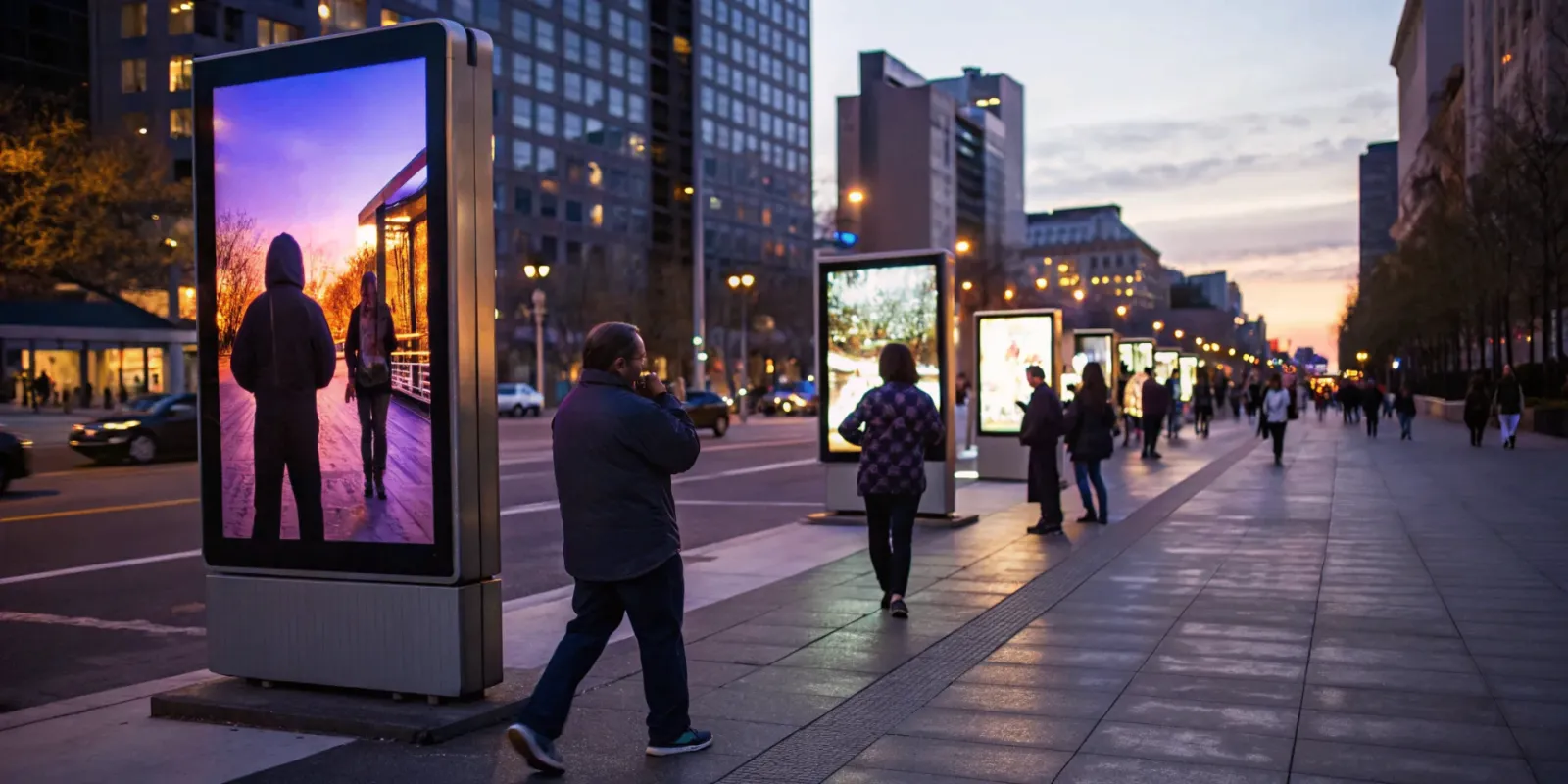
The biggest problem with traditional billboards has always been the guesswork. You put an ad out into the world and hope for the best, never really knowing who saw it or if it made an impact. Interactive OOH flips that script completely. By inviting people to engage directly—whether by scanning an image, playing a game, or sharing on social media—you get real, measurable data. You can finally see what's working. This article explores how the best interactive OOH campaigns use this two-way communication not just to create a memorable experience, but to gather valuable insights that make marketing smarter and more effective.
Key Takeaways
- Turn Passive Viewers into Active Participants: Shift your strategy from simply showing an ad to creating an experience. By inviting people to play, scan, or share, you build a memorable connection that a static image can't match.
- Prioritize a Seamless User Experience: The best technology is the one your audience will actually use. Choose tools that are intuitive and match the context of your ad's location, ensuring that interacting feels effortless and natural, not like a chore.
- Use Data to Demonstrate Real ROI: Interactive campaigns offer clear, measurable results. Track every engagement—from scans to social shares—to prove your campaign's value, understand your audience's behavior, and gather the insights you need to refine your future strategies.
Interactive vs. Traditional OOH: What's the Real Difference?
Out-of-home (OOH) advertising is anything you see outside your home—billboards, bus shelter ads, and posters in a mall. For decades, this was a one-way street. A brand put up a static image, and you looked at it as you passed by. But that's changing. Interactive OOH turns this monologue into a dialogue, inviting people to play, share, and connect with a brand in the real world.
Instead of just showing you a product, an interactive campaign asks you to become part of the experience. It's the difference between seeing a poster for a new video game and actually playing a mini-game on a digital screen at a bus stop. This shift creates a much more memorable and personal connection, moving beyond simple brand awareness to genuine brand engagement. It's about creating a moment that people want to be a part of, not just something they see.
From Static Billboards to Interactive Experiences
Think of traditional OOH as a photograph. It captures a single moment and message, broadcasting it to everyone who passes by. It's effective for visibility, but the conversation stops there. Interactive OOH, on the other hand, is like a live video call. It's a dynamic approach that gives people a chance to actively engage with the ad itself.
While traditional advertising certainly still has its place, there's a clear shift toward more interactive and data-driven campaigns. Brands are realizing that getting people involved creates a stickier, more impactful memory. Instead of just being seen, they're being experienced. This turns a passive glance into an active moment of connection.
The Key Ingredients of an Interactive Campaign
So, what makes an OOH campaign truly interactive? It's all about using technology to invite participation. This can take many forms, from scannable images that launch an augmented reality filter to digital billboards that react to the weather or integrate live social media feeds. The goal is to get people to do something—scan, tap, play, or share.
These campaigns use technology to connect with customers on a much deeper level. The best interactive OOH ideas often have a clear call to action that feels more like fun than advertising. Whether it's for promoting a new product, supporting a social cause, or just providing a moment of entertainment, the core ingredient is always the same: it turns the viewer into a participant.
What Tech Powers the Best Interactive OOH?
The magic behind a great interactive out-of-home campaign isn't really magic—it's clever technology. The right tech can turn a passive glance into an active experience, making your ad something people remember and talk about. It's all about choosing the right tool to bring your creative idea to life and invite people to play along. From simple scans to complex augmented reality, these are the core technologies that make interactive OOH possible.
Scannable Visuals and QR Codes
This is the simplest and most direct way to connect a physical ad to a digital experience. By adding a scannable element, you give people an immediate way to act. Think of it as a direct invitation to learn more, get a discount, or watch a video. While QR codes are the most common tool, the real innovation is in making the entire visual scannable. Many of the most effective OOH campaigns use this bridge between the physical and digital worlds to create a deeper, more personal connection with their audience.
Augmented Reality That Blends Worlds
Augmented reality (AR) overlays digital information onto the real world through a smartphone camera. It's a powerful way to create a "wow" moment that stops people in their tracks. For example, a bus shelter ad could transform into a portal to another world, or a poster could bring a product to life in 3D. AR makes the experience feel immersive and shareable, encouraging people to pull out their phones and engage. You can find plenty of interactive OOH ideas that use AR to create truly memorable moments for passersby.
Motion Sensors That React to People
Imagine walking past a digital billboard that smiles back at you or changes its message based on your movements. That's the power of motion sensors. This technology allows ads to react to the presence and actions of people nearby, creating a playful and personalized interaction. It makes the ad feel alive and responsive, turning a one-way message into a two-way conversation. This kind of dynamic engagement makes people feel seen and can turn a simple walk down the street into a delightful surprise.
Live Social Feeds and Real-Time Data
The most relevant ads feel like they're part of the current conversation. By integrating live social media feeds, weather updates, or other real-time data, your OOH campaign can feel incredibly timely. You could display tweets that use a specific hashtag, show different creative based on whether it's sunny or rainy, or even update with live sports scores. This approach makes your message dynamic and contextually aware, proving that your brand is paying attention to the world around it. Many inspiring DOOH examples show how real-time data can make a campaign feel fresh and engaging.
Why Should Your Brand Use Interactive OOH?
Let's be honest: most ads are just background noise. People walk past billboards and digital screens every day without giving them a second thought. Traditional out-of-home (OOH) advertising is a one-way conversation where brands talk at people. But what if you could start a conversation with them instead? That's the power of interactive OOH. It turns a passive glance into an active experience.
Instead of just showing people your product, you invite them to play a game, explore a virtual world, or scan an image to unlock exclusive content. This shift from broadcasting to interacting is what makes your message stick. It's the difference between someone walking past your ad and someone stopping to pull out their phone, creating a genuine moment of connection with your brand. When you give people something to do, you give them a reason to care.
Get People to Actually Engage with Your Ad
The goal of any ad is to get noticed, but interactive OOH takes it a step further by inviting people to participate. When someone can physically or digitally interact with your ad, it's no longer just an advertisement—it becomes an experience. This dynamic approach builds a much stronger connection than a static image ever could. By making your visual content scannable with a tool like IRCODE, you can instantly bridge the gap between your physical ad and a digital experience, whether that's a shoppable link, a video, or a custom landing page. You're not just hoping for attention; you're creating a direct path for engagement.
Create Ads People Genuinely Remember
Think about the last ad you truly remember. Chances are, it made you feel something or do something. Interactive campaigns are memorable because they tap into our natural curiosity and desire to play. By using elements like gamification, augmented reality, or social media integrations, you can create a moment that stands out from the visual clutter of daily life. These campaigns aren't just seen; they're experienced. That personal involvement is what lodges a brand in someone's memory long after they've walked away. The goal is to create something so interesting that people not only remember it but also want to tell their friends about it.
Learn About Your Audience in Real Time
One of the biggest limitations of traditional OOH is that you never really know who's looking at your ad or how they're reacting. Interactive campaigns completely change the game. Every scan, tap, or social media share provides valuable data. You can see which messages resonate, what time of day gets the most interaction, and what actions people take after engaging with your ad. This real-time data collection allows you to understand your audience on a deeper level and adapt your strategy on the fly. It's like having a focus group running 24/7, giving you the insights you need to make your marketing smarter and more effective.
Turn Your Campaign into a Viral Moment
A truly great interactive OOH campaign doesn't just live on the street—it takes on a life of its own online. When you create an experience that is surprising, fun, or genuinely useful, people will want to share it. They'll post photos, record videos, and talk about it on their social media feeds. This user-generated content is marketing gold, amplifying your message to a much wider audience at no extra cost. A clever interactive installation can easily become a viral moment, earning media attention and generating buzz that extends far beyond the physical location of your ad. It's about creating something so compelling that people become your brand's biggest advocates.
What Creative Strategies Make These Campaigns Win?
The most successful interactive OOH campaigns aren't just about cool technology; they're powered by brilliant creative strategies. It's one thing to make a billboard that people can interact with, but it's another to make one they want to interact with. The difference lies in the idea. Winning campaigns tap into basic human psychology—our love for games, our need for connection, and our appreciation for things that feel personally relevant. They don't just shout a message at passersby; they start a conversation and invite people to participate in a way that feels natural and rewarding.
These strategies are what transform a simple advertisement into a memorable experience. They use data, context, and a touch of fun to break through the noise of daily life. By understanding what makes people tick, brands can create campaigns that not only capture attention but also build a genuine connection with their audience. It's about creating a moment of surprise or delight in an otherwise ordinary day. When an ad can do that, it stops feeling like an ad and starts feeling like a discovery. Let's break down the core ideas that turn a good interactive campaign into a great one.
Make It a Game People Want to Play
One of the fastest ways to get someone to engage with your ad is to make it fun. Turning your campaign into a game or a playful challenge taps into our natural desire for entertainment and competition. Instead of just presenting information, you're offering an experience. Think of a digital scavenger hunt where people scan different parts of an image to find clues, or a simple quiz on a transit shelter screen that offers a reward. This approach, known as gamification in marketing, makes the interaction feel voluntary and enjoyable, which helps people remember your brand in a positive light.
Use Location to Make Your Message Relevant
A message is always more powerful when it's delivered in the right place at the right time. The best campaigns use location to make their content incredibly relevant to the people seeing it. For example, a restaurant chain might use its own sales data to show ads for a lunch special on digital screens in nearby office buildings right around noon. This kind of location-based advertising feels less like an interruption and more like a helpful suggestion. It shows that your brand understands the audience's context and can meet their needs in the moment.
Adapt Your Content to the Time and Weather
Why show the same ad all day when you can tailor it to the current environment? Dynamic campaigns that change based on factors like the time of day, weather, or even local events feel fresh and intelligent. A great example is Guinness's "Brewery of Meteorology" campaign, which displayed ads for its hearty stout only when the temperature dropped. This simple trigger made the ad feel perfectly timed. Using dynamic content shows that your brand is responsive and in tune with the world around your audience, making your message resonate more deeply.
Engage More Than Just Their Eyes
While OOH is a visual medium, the most innovative campaigns find ways to engage more than just sight. Using technology like motion sensors or touch screens can create a surprising and delightful experience. Imagine a bus shelter ad that reacts to your movements or a digital display that changes based on your facial expression. These interactions create a "wow" moment that is far more memorable than a static poster. By tapping into sensory marketing, you forge a stronger connection between the person and your brand by creating a physical or emotional response.
Tell a Story They Can Be Part Of
Ultimately, people connect with stories, not ads. The most compelling interactive campaigns don't just broadcast a message; they invite the audience to become part of the narrative. Instead of just telling people about your brand, you can use interactive storytelling to create an experience that allows them to contribute, whether it's by adding their photo to a digital mosaic or voting on the next part of a story unfolding on a billboard. This shift turns passive viewers into active participants, giving them a sense of ownership and a personal stake in your brand's story.
How to Get People to Stop and Interact
The most brilliant creative idea can fall flat if no one stops to engage with it. The real magic of interactive OOH isn't just in the technology; it's in understanding the human psychology that makes someone pause their busy day to play with an ad. It comes down to making your campaign feel less like an advertisement and more like an invitation. By focusing on dialogue, personalization, and shareability, you can create an experience that people are genuinely excited to be a part of.
Start a Conversation, Don't Just Broadcast
Traditional advertising is a monologue. Interactive campaigns flip that script and start a dialogue, creating a two-way street where people can actively participate. Instead of just showing them a product, ask a question, let them vote in a poll, or have them scan an image to reveal a secret. This approach allows customers to interact and engage with the ad itself, turning passive viewers into active participants. When you give people a role to play, they become invested in the experience and your brand.
Personalize the Experience with Data
We all tune out generic messages. The most effective interactive campaigns make people feel seen by tailoring the experience. Technology now allows us to create dynamic ads that respond to real-world data like the time of day or weather. Using scannable visuals, you can take this further by directing users to personalized landing pages or custom offers. These customized, targeted interactive ads connect with people on a deeper level because the content feels relevant and made just for them.
Create Something Worth Sharing
The ultimate sign of a successful campaign is when people want to share it. The experience you create should be so fun, surprising, or visually stunning that it inspires someone to pull out their phone and post about it. Think about incorporating a unique AR filter, a hilarious photo opportunity, or a quiz with shareable results. Campaigns that encourage people to share on social media have a ripple effect, extending your reach far beyond the physical location of the ad. When you give your audience a great story to tell, they become your most powerful marketers.
What We Can Learn from the Best Campaigns
The most memorable interactive OOH campaigns don't just happen by accident. They're the result of smart, strategic thinking that puts the audience first. It's not always about having the biggest budget or the most futuristic technology; it's about understanding what makes people stop, look, and engage. By breaking down what makes these campaigns successful, we can pull out a few core principles that apply to any project, big or small.
These campaigns teach us that a great idea is grounded in a simple user experience, thoughtful placement, realistic creativity, and a clear path to social sharing. Whether you're planning a massive digital billboard takeover or adding an interactive layer to a poster, these lessons will help you create something that truly connects with people and gets them talking. Let's look at the key takeaways that turn a good idea into a great one.
Why a Simple User Experience Is Crucial
If you want someone to interact with your ad, you have to make it incredibly easy and intuitive. People walking by are often distracted or in a hurry, so they won't stop to figure out a complicated process. The best campaigns ask for a simple, single action: scan an image, tap a screen, or strike a pose. Turning your ad into a fun activity, like a selfie scavenger hunt, is a brilliant way to get people involved because the "how-to" is already understood. The less a person has to think about the mechanics of the interaction, the more likely they are to participate and enjoy the experience you've created.
The Importance of Placement and Timing
Context is everything. The most effective interactive ads feel like they belong exactly where and when they appear. A campaign that runs during a major city event or is placed in a location with heavy foot traffic from your target audience will always perform better. Some of the most impactful OOH ads are successful simply because of their perfect timing. Think about how your message can change based on the time of day, the weather, or what's happening nearby. A relevant message feels personal and urgent, making people feel like the ad was placed there just for them.
How to Be Creative, But Keep It Realistic
Creativity doesn't have to be complex. Some of the most clever campaigns are surprisingly simple, like JetBlue encouraging people to literally take the ads from a bus shelter. The idea was unexpected and delightful, but the execution was straightforward. While new technologies make it possible to personalize customer experiences on a deeper level, you don't need a Hollywood-level budget to make an impact. Focus on a strong, clear concept that sparks curiosity. A great idea that is executed simply will always beat a complicated one that leaves people confused.
Why You Should Always Design for the Share
The ultimate goal of an interactive campaign is for it to live on beyond the physical ad space. When you design your experience, always ask: "Would someone share this?" People love to post things that are fun, surprising, or make them look good. Campaigns that integrate social media naturally by creating a shareable photo, a fun game score, or a unique digital takeaway are the ones that go viral. Thinking about how your content will look on a phone screen is just as important as how it looks on a billboard. The best digital out-of-home examples are built to be captured and shared, turning your audience into your biggest promoters.
The Hurdles of Interactive OOH (And How to Clear Them)
Jumping into interactive OOH is exciting, but let's be real—it comes with its own set of challenges. Thinking through these potential roadblocks from the start doesn't just save you headaches down the line; it's what separates a good idea from a great campaign. The goal isn't to avoid every problem but to have a smart plan for navigating them. From tech glitches to budget questions, here's a look at the common hurdles and how you can clear them.
Getting the Tech to Work Seamlessly
The magic of an interactive campaign hinges on technology that works flawlessly the moment someone decides to engage. While new tools are fantastic for creating personalized customer experiences, a clunky or slow interface will cause people to walk away instantly. The challenge is ensuring your tech is not only cool but also reliable and intuitive in a fast-paced, real-world environment.
The key is to prioritize a simple user experience. Instead of building a complex system from scratch, consider using proven technologies that people already understand. Scannable visuals, for example, turn a person's own smartphone into the interactive device, removing many variables. Rigorous testing in conditions that mimic the final placement is non-negotiable.
Proving Your Campaign Was Worth It
One of the biggest historical frustrations with OOH advertising has been its measurement difficulties. How do you prove that your billboard actually led to sales? While interactive campaigns offer more data, you still need a clear method for tracking engagement and connecting it to your business goals. Without solid metrics, justifying the investment to your team or clients can be tough.
To clear this hurdle, build measurement into your campaign from the very beginning. Choose interactive technology that provides detailed analytics on every single interaction—every scan, tap, or click. This allows you to track the user's journey from the physical ad to your website, a product page, or a sign-up form. This direct line of sight from engagement to conversion is how you demonstrate real ROI.
Managing the Budget and Resources
Interactive campaigns can feel more expensive than traditional ones, and it's true that they involve more moving parts. Beyond the cost of the ad space, you have to account for creative development, technology platforms, and potential maintenance. It's easy for hidden costs to pop up, especially if you're dealing with complex hardware or custom software builds.
The best way to manage your budget is to start with a clear, focused goal. What is the one action you want people to take? Answering this helps you choose the right technology for the job, not just the flashiest. Often, the most effective interactive elements are the simplest. Making an existing static poster scannable, for instance, can deliver a huge impact without requiring a massive investment in new infrastructure, making your budget work smarter.
How to Measure Your Campaign's Success
One of the biggest headaches with traditional OOH advertising has always been proving it actually worked. You could estimate eyeballs and foot traffic, but connecting a billboard to a purchase felt like a guessing game. Interactive campaigns change all of that. Because they ask for direct engagement, you get direct data. This means you can finally move beyond impressions and start measuring real, tangible actions that show how your campaign performed and what you can do better next time.
Instead of wondering if your ad made an impact, you can see it in the numbers. Every scan, tap, or share provides a clear signal of what's resonating with your audience. This data is what helps you justify your budget, refine your strategy, and build even more effective campaigns in the future. It's about turning your creative idea into a measurable success story, backed by hard evidence. You're no longer just hoping for the best; you're actively collecting insights that will make your next move even smarter.
Track Every Tap, Scan, and Interaction
The most direct way to measure your campaign is to count every single interaction. When someone scans your visual, you know they didn't just see your ad—they engaged with it. This is where scannable tech like IRCODE becomes your best friend. By turning your image into a unique code, you can track every scan, tap, and click-through.
This isn't just a simple count. You can see which locations are getting the most scans, what time of day people are most engaged, and what content they interact with after the scan. This gives you powerful data on consumer behavior that you can use to understand your audience on a much deeper level.
Measure the Social Media Buzz
A truly successful interactive campaign gets people talking, and the best place to listen in is on social media. When you create an experience worth sharing, your audience becomes your marketing team. Encourage people to post photos or videos with a specific hashtag, and then watch the conversation unfold.
Monitoring hashtags, shares, comments, and mentions gives you a real-time gauge of your campaign's cultural impact. Are people excited? Are they sharing it with their friends? This social buzz is a critical metric for success because it shows how well your message resonated. It's proof that you created something more than an ad—you created a moment.
Connect Your Campaign to Actual Sales
The ultimate goal is to see how your OOH campaign impacts your bottom line. With interactive elements, you can draw a straight line from a public ad to a private purchase. For example, you can have your scannable visual lead to a unique landing page with a special discount code. By tracking how many people use that code, you can directly attribute sales to your campaign.
This direct correlation is essential for demonstrating ROI and proving the value of your marketing spend. You're no longer just building brand awareness; you're actively driving sales and gathering a list of interested customers you can connect with again in the future.
How to Choose the Right Interactive Tech for Your Idea
Once you have a brilliant idea, the next step is figuring out how to bring it to life. The technology you choose is the engine that will power your interactive campaign, so it's a decision you want to get right. It's not about picking the flashiest or most expensive option; it's about finding the perfect fit for your specific goals, your audience, and your budget. The most effective interactive campaigns feel effortless to the user, and that seamless experience starts with choosing the right tools for the job.
Think of it like this: you wouldn't use a sledgehammer to hang a picture frame. In the same way, you don't need a complex augmented reality build for a simple, powerful call to action. Sometimes, the most elegant solution is the one that's easiest for people to use. For example, turning your campaign's key visual into a scannable IRCODE can create a direct path for engagement without requiring your audience to download a special app or fumble with complicated instructions. As you explore your options, focus on three key areas: your audience's behavior, the environment of your ad, and the balance between cost and impact. Getting this right means you're not just creating an ad; you're creating an experience that feels intuitive and inviting, which is what makes people want to participate in the first place.
Match the Tech to Your Audience's Habits
Before you fall in love with a piece of technology, think about the people you're trying to reach. Where will they be when they see your ad? Are they rushing to catch a train, casually strolling through a shopping mall, or waiting for a friend at a coffee shop? The answer will help you decide what kind of interaction is realistic. Someone in a hurry isn't likely to stop for a five-minute AR game, but they'll happily scan a code to get a quick discount or access exclusive content.
Understanding these habits is the foundation of dynamic advertising that truly connects. The goal is to integrate into their world, not interrupt it. Choose technology that feels like a natural next step for them. If your audience is constantly on their phones, a scannable visual is a perfect, low-friction way to engage them. If they're in a place where they have time to kill, like an airport, a more immersive experience could be a huge win.
Consider the Campaign's Environment
The physical location of your ad plays a huge role in what's possible. A campaign running on digital screens inside a climate-controlled transit station faces very different hurdles than one on a billboard in a sunny, rain-prone city square. You need to consider practical factors like weather, lighting, internet connectivity, and foot traffic. Will glare on a screen make your ad unreadable? Is there a reliable cellular connection for a data-heavy experience to load quickly?
These environmental factors are some of the biggest challenges of out-of-home advertising. A brilliant idea can fall flat if the tech doesn't perform flawlessly in its real-world setting. Before you commit, map out the user journey on-site. Is there enough space for people to stop and interact without creating a bottleneck? Is the area well-lit enough for a camera to scan a code easily? Thinking through these details will save you major headaches down the line.
Weigh the Cost vs. the "Wow" Factor
Every campaign has a budget, and it's easy to get carried away by the potential of high-tech features. While a massive, motion-reactive screen can create a huge "wow" moment, it also comes with a significant price tag for development, installation, and maintenance. It's important to be realistic about what you can achieve and focus on the return on your investment—not just in sales, but in engagement and brand recall.
Often, the smartest move is to find a solution that delivers a memorable experience without breaking the bank. The real goal is to create a connection, and you don't always need a Hollywood-level production to do that. When you're evaluating your options, look beyond the initial price and consider the long-term value. A simple, scannable experience can generate thousands of interactions and provide valuable data, offering a fantastic return on a much smaller investment in technology. The "wow" factor should come from the creativity of your idea, not just the expense of the tech behind it.
Planning and Budgeting for Your Campaign
An interactive out-of-home (OOH) campaign has more moving parts than a static billboard, and your budget needs to reflect that. While the potential payoff in engagement and brand recall is huge, going in with a clear financial plan is essential for success. Think of your budget in three main buckets: the technology that powers the experience, the creative idea that captures attention, and the operational costs to keep everything running perfectly. Breaking it down this way helps ensure you don't overlook any critical expenses.
The Investment in Technology
This is the core of what makes your campaign interactive. Your budget here covers the hardware and software that bring your idea to life, whether it's a digital screen with motion sensors, an augmented reality filter, or a scannable visual that turns a simple image into an experience. These new technologies and tools are what allow you to create a two-way conversation with your audience instead of just talking at them. When planning, consider the costs of software licenses, hardware rentals or purchases, and any development needed to integrate these components. This investment is what makes deeper personalization and real-time data tracking possible.
The Cost of the Creative Idea
Technology is just a tool; the magic comes from the creative concept. This part of your budget is for the brainpower behind the campaign—the strategists, designers, copywriters, and developers who craft the story and the user experience. A truly innovative Out-of-Home (OOH) campaign doesn't just happen; it's the result of brilliant brainstorming and meticulous execution. Don't underestimate the value of a strong creative team. They're the ones who will ensure your high-tech installation is actually fun, engaging, and easy for people to use, turning a passerby into an active participant.
The Price to Keep It Running Smoothly
Your campaign doesn't end once it goes live. You need to budget for ongoing management and maintenance to ensure a seamless experience for every user. This includes monitoring the tech for glitches, managing software updates, and analyzing the data that comes in. Without the right systems, you can get bogged down by the hidden costs of manual processes, like having to physically update content on-site. Using a streamlined platform can significantly reduce these operational headaches and costs, allowing you to focus on the campaign's performance instead of just keeping the lights on.
Frequently Asked Questions
Is interactive OOH only for big brands with huge budgets?
Absolutely not. While massive digital installations get a lot of attention, interaction can be simple and affordable. You can make a standard poster or flyer interactive just by adding a scannable element that links to a video, a special offer, or a story. The goal is to create a connection, and that can be done with a clever concept and accessible technology, not just a big price tag.
My ads are just static posters. Can I still make them interactive?
Yes, and this is one of the easiest ways to get started. You don't need a digital screen to create an interactive experience. By making your poster's image scannable, you turn that static print ad into a direct link to any digital content you want. It's a simple way to bridge the physical and digital worlds, inviting people to pull out their phones and connect with your brand right from the sidewalk.
How do I know if my interactive campaign is actually working?
Unlike traditional ads where you just guess who saw them, interactive campaigns give you solid data. Every time someone scans your ad, taps a screen, or uses your campaign's hashtag, you get a measurable piece of information. This allows you to see exactly how many people engaged, what actions they took next, and even which locations performed best. You can finally connect your ad directly to things like website visits or sales.
What's the most important thing to focus on when creating an interactive ad?
Focus on the user's experience. Your idea can be brilliant, but if it's confusing or difficult for someone to participate, they'll just walk away. The interaction should be incredibly simple and intuitive. Ask for one clear action, like "scan this image" or "tap to vote." A smooth, easy experience is what turns a passerby into an engaged participant.
Do I need to be a tech expert to create an interactive ad?
Not at all. While some campaigns involve complex technology, many powerful tools are designed to be user-friendly. Platforms exist that let you turn any image into a scannable experience in just a few minutes without writing a single line of code. The focus should be on your creative idea; the right technology will make bringing it to life straightforward and accessible.